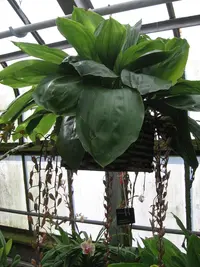
boxleaf stopper Care (Eugenia foetida)

Also known as: Spanish stopper
boxleaf stopper

About boxleaf stopper

Boxleaf stopper, Eugenia foetida, is an evergreen shrub or small tree native to coastal areas of Florida, the Caribbean, and parts of Central America. It naturally forms dense, twiggy growth with many small, rounded leaves that create a fine-textured look.

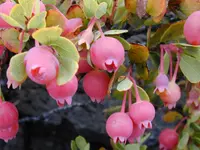
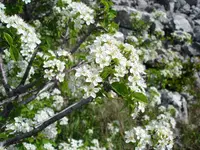
In the landscape it is often used for hedges, screens, or windbreaks, especially in salty or windy coastal sites. Small white flowers followed by berries add subtle seasonal interest but are usually not the main reason it is planted.

This species is tolerant of drought, salt spray, and poor, rocky soil, which makes it relatively resilient once established. Understanding how to care for boxleaf stopper starts with providing sun, good drainage, and avoiding prolonged waterlogging.

Main Plant Requirements

Care Difficulty

Moderate Care

Light Preference

Full Sun

Water Requirements

Moderate Water

Temperature Preference

Tropical / Frost Sensitive

Hardiness Zone

10–11

Soil Texture

Sandy, Loamy

Soil pH

Slightly acidic (6.5–7.0), Neutral (7.0)

Soil Drainage

Well-drained

Fertilization

Minimal (feed rarely)

Get Personalized Care Plan

Scan your plant to receive care tips personalized for your specific plant

Available on iOS and Android

How to Care for the boxleaf stopper

This coastal shrub prefers bright conditions with some protection from intense midday sun.

  • Provide 6–8 hours of direct sun daily, ideally with morning sun and light afternoon shade, especially inland.
  • Tolerates light or dappled shade for part of the day, but dense shade leads to leggy growth and sparse foliage on boxleaf stopper.
  • In very hot summers, shield from harsh west-facing sun to reduce leaf scorch, and monitor for pale leaves or weak new growth as signs of insufficient light.

This species prefers evenly moist but not saturated soil once established.

  • Water when the top 3–5 cm of soil feels dry, applying a slow, deep soak so moisture reaches the root zone without puddling.
  • Use well-drained, sandy or loamy soil; persistent wet spots, algae, or sour smell indicate poor drainage and risk of root rot.
  • In hot, dry months increase frequency, watching for dull, curling leaves as a sign of underwatering, while yellowing leaves and dieback can signal overwatering in Eugenia foetida.

This coastal shrub thrives in warm, frost-free climates with mild seasonal variation.

  • Ideal growth occurs around 70–85°F (21–29°C), with steady warmth supporting dense foliage and steady shoot development.
  • Mature plants tolerate short dips to about 30–32°F (-1–0°C), but repeated frosts damage young tips and can kill tender new growth.
  • Handles heat up to 95°F (35°C) if soil moisture is adequate; during heat waves, reduce other stresses like recent pruning or transplanting.

Eugenia foetida tolerates a wide humidity range and rarely needs special humidity management indoors or outdoors.

  • Target 40–60% humidity, which suits most homes and sheltered outdoor spots where boxleaf stopper is grown.
  • Dry indoor air is usually tolerated, but prolonged exposure below 30% may slow growth and cause minor leaf edge browning.
  • If air is very dry, group plants together or place the pot on a pebble tray with water below the pot base to slightly raise local humidity.

This coastal shrub prefers sharply drained, sandy to sandy-loam soil that never stays waterlogged.

  • Use a mix of 50–70% coarse sand or sandy loam with the rest split between compost and fine bark to balance drainage and organic matter.
  • Soil should drain freely within a few minutes after watering; add extra coarse sand or perlite if water lingers on the surface.
  • Aim for slightly acidic to neutral pH, around 6.0–7.0, which supports nutrient availability for Eugenia foetida without causing micronutrient lockout.
  • Avoid heavy clay, compacted soil, or mixes rich in peat that stay wet for long periods, as low aeration around roots encourages rot.

This species can be grown in containers if the pot is chosen and managed to support its woody root system and upright habit.

  • Select a deep, heavy pot that resists tipping as the shrub becomes taller and more top-heavy in wind-exposed positions.
  • Choose a mineral-rich, fast-draining mix in containers, since fine, peaty media hold too much water around woody roots.
  • Elevate the pot slightly on feet or bricks so drainage holes never sit in standing water after rain or irrigation.

Eugenia foetida is a coastal native that grows acceptably in poor soils, but moderate feeding improves density and foliage color when grown as boxleaf stopper hedging.

  • Use a balanced slow-release fertilizer (around 10-10-10) or well-aged compost at the start of spring.
  • Feed light to moderate amounts every 8–10 weeks through late summer for plants in sandy or nutrient-poor soils.
  • Apply at half the label rate for established landscape plants to avoid excessive, weak growth.
  • Stop feeding in fall and winter so new growth can harden and avoid cold or drought damage.

Pruning Eugenia foetida is useful for maintaining dense hedges and removing weak wood without stressing the plant.

  • Schedule structural pruning for late winter to early spring before strong new growth begins.
  • Remove dead, diseased, rubbing, and inward-growing branches first to improve airflow and light penetration.
  • Trim long shoots lightly to shape hedges or screens, encouraging bushy side branching instead of tall, leggy growth.
  • Use clean, sharp hand pruners or hedge shears, making cuts just above a leaf node or side branch.

This species is usually grown in the ground, so focus on thoughtful transplanting rather than frequent repotting.

  • Transplant young plants in late winter to early spring when temperatures are mild and soil is workable.
  • Look for slow growth, roots circling the container, or roots emerging from drainage holes as signs a potted plant needs a larger container.
  • Shift to a pot only 1–2 in wider, using a well-drained, sandy mix, and gently loosen circling roots without tearing them.
  • Water deeply before and after moving, then shade the plant for several days to reduce transplant shock and moisture stress.

Propagation of Eugenia foetida is possible by both seeds and semi-hardwood cuttings under controlled conditions.

  • Collect ripe fruits, clean the seeds, and sow them fresh in a free-draining, sandy medium kept evenly moist and warm (70–80°F).
  • Take semi-hardwood cuttings in late spring to summer from healthy, non-flowering shoots 8–10 cm long.
  • Strip lower leaves, dip the cut end in a rooting hormone, and insert into a sterile, well-drained propagation mix.
  • Maintain high humidity and bright, indirect light until roots form, then acclimate gradually to lower humidity and stronger light.

Mature Eugenia foetida in coastal USDA zones 9–11 generally needs little winter protection, but young or potted plants benefit from some precautions.

  • Expect damage when temperatures drop below about 25–28°F, especially on tender new growth and small plants.
  • Apply a 5–8 cm layer of mulch around the root zone, keeping it slightly away from the trunk, to moderate soil temperature.
  • Move container plants into a bright, frost-free location or against a sheltered south-facing wall during cold spells.
  • During extended cool, bright periods, water sparingly but do not allow the root ball to dry out completely.

Care Tips

Salt-wind conditioning

In coastal areas, establish young plants behind a windbreak for the first 6–12 months, then gradually reduce protection so the hedge acclimates to salt-laden winds without severe leaf burn.

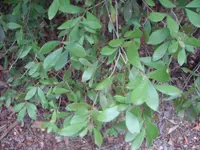
Hedge interior renewal

Every 2–3 years, selectively remove a few older, woody stems at the base to open the canopy and stimulate new shoots, which keeps dense hedges greener and less prone to dieback inside.

Root-zone mulching

Maintain a 5–8 cm layer of coarse, woody mulch over the root zone, keeping it a few cm away from the stems, to stabilize soil moisture and temperature and reduce surface root stress in hot, reflective sites.

Calcium and pH monitoring

On alkaline, coastal limestone soils, periodically test soil pH and calcium levels and adjust with appropriate acid-forming fertilizers only if foliage shows nutrient imbalance, avoiding unnecessary amendments that can harm this naturally lime-tolerant species.

Wildlife-conscious spacing

When growing boxleaf stopper as a screen, space plants to allow some lower branching (rather than shearing too tightly) so the hedge provides stable shelter for birds and beneficial insects that also help limit pest issues.

Common Pests and Diseases

Myrtle rust

This disease causes bright yellow to orange powdery pustules on young leaves, shoots, and sometimes stems, often leading to leaf distortion and drop. Symptoms include reduced vigor and thinning foliage, especially on new growth.

Solution

Prune and destroy affected shoots as soon as lesions are seen, and avoid overhead watering to keep young foliage dry. Improve air circulation around plants and, in areas where myrtle rust is established, protect new flushes with a labeled myrtle rust fungicide, rotating products to reduce resistance.

Scale insects

These insects appear as small, dome-shaped or flat bumps along stems and leaf veins, often accompanied by sticky honeydew and sooty mold. This pest can weaken boxleaf stopper hedges over time and cause yellowing leaves and twig dieback.

Solution

Wipe or gently scrub infested stems with a cloth or soft brush dipped in diluted insecticidal soap, then rinse foliage. For heavier infestations, use a horticultural oil spray that thoroughly coats stems and leaf undersides, repeating as needed according to label directions.

Sooty mold

This disease presents as a black, soot-like coating on leaves and stems that grows on the sugary honeydew excreted by sap-feeding insects such as scales and whiteflies. Symptoms include dull, dirty-looking foliage and reduced photosynthesis, which can slow growth.

Solution

Address the underlying insect problem first by managing scales or other honeydew-producing pests, then gently wash leaves with water and a mild soap solution to remove the mold. Improve air movement and light penetration through selective pruning to help foliage dry quickly and recover.

Leaf spot

This disease causes small brown, tan, or purplish spots on leaves that may expand, coalesce, and lead to premature leaf drop in humid or poorly ventilated conditions. Symptoms include thinning foliage and an overall decline in aesthetic quality, particularly on clipped hedges.

Solution

Remove and discard heavily spotted leaves and avoid wetting the foliage when irrigating. Improve spacing and airflow, and if needed in persistent wet weather, apply a broad-spectrum fungicide labeled for ornamental leaf spots, following directions carefully as part of general Eugenia foetida care.

Interesting Facts

Specialist coastal shrub

This species is naturally restricted to coastal hammocks and dunes in South Florida, the Florida Keys, and the Bahamas, where it tolerates high light, sandy alkaline soils, and proximity to saltwater better than many other woody plants.

High salt tolerance

Boxleaf stopper can withstand direct salt spray and saline winds, which allows it to form dense thickets that help stabilize coastal habitats and provide windbreaks near shorelines.

Key wildlife resource

Its small white flowers supply nectar for native bees and other pollinators, while the dark berries are eaten by birds, making it an important structural and food resource in coastal shrub communities.

Botan icon

Did you know?

Despite its modest size, this species can live for many decades in harsh seaside conditions and is used in South Florida restoration projects to help rebuild native coastal hammocks that have been degraded by development and storms.

FAQs about boxleaf stopper

Growth is moderate. In suitable coastal or subtropical conditions, this shrub often adds about 15–30 cm of height per year. Good light, well-drained soil, and regular moisture support steadier extension and denser branching over time.

Grow Healthy Plants with Botan Care

Keep your plants happy and healthy with plant identification, disease detection, and easy care guidance.

Botan plant care app — identify plants on mobile

Explore More Plants