Euphorbia calyptrata Care

Euphorbia calyptrata

About Euphorbia calyptrata

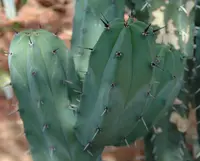
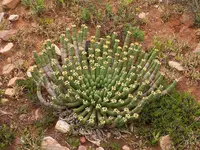
Euphorbia calyptrata is a small, succulent shrub from arid regions of Madagascar, adapted to strong light and seasonal drought. It forms compact, often branching stems with small leaves that may be shed in dry periods.

This species shows the typical euphorbia milky latex and has a sculptural, architectural look that appeals to collectors. Growth is usually slow, which helps it stay manageable in containers.

It is considered moderately challenging, mainly because it dislikes excess moisture and needs sharp drainage and careful watering. Bright light, airy soil, and restraint with water are the main points in how to care for Euphorbia calyptrata.

Main Plant Requirements

Care Difficulty

Moderate Care

Light Preference

Partial Shade

Water Requirements

Moderate Water

Temperature Preference

Warm Climate

Hardiness Zone

Unknown

Soil Texture

Loamy, Sandy

Soil pH

Slightly acidic (6.5–7.0)

Soil Drainage

Well-drained

Fertilization

Minimal (feed rarely)

Get Personalized Care Plan

Scan your plant to receive care tips personalized for your specific plant

Available on iOS and Android

How to Care for the Euphorbia calyptrata

This succulent prefers bright conditions with protection from harsh midday sun.

  • Provide 4–6 hours of bright, indirect light or gentle morning sun; light shade is useful during intense midday periods, especially in hot summers.
  • In very sunny climates, use filtered light (sheer fabric or dappled shade) to prevent leaf scorch and yellowing from excessive direct sun.
  • If stems stretch, lean, or lose color, the plant is receiving too little light; move Euphorbia calyptrata to a brighter, but still sheltered, position.

This species stores water in its tissues and needs infrequent but thorough watering.

  • Allow the top 3–5 cm of soil to dry out before watering, then water deeply so liquid drains fully from the root zone.
  • Reduce watering in cooler months, only watering when the soil is dry well below the surface and growth has slowed noticeably.
  • Watch for wrinkling or slight softening of stems as a sign to water, and for mushy, yellowing bases as a warning of poor drainage or overwatering.

This plant grows best in warm, dry conditions without exposure to frost.

  • Aim for 65–80°F (18–27°C) during active growth, as stable warmth supports healthy stems and root activity.
  • Protect the plant from temperatures below 45°F (7°C); brief dips may be tolerated, but freezing causes tissue damage and rot.
  • In hot weather above 90°F (32°C), increase airflow and provide light shade, avoiding enclosed sites where heat builds up around the plant.

This succulent tolerates typical indoor humidity and rarely needs special humidity management.

This species needs a sharply draining, mineral-based substrate to protect its roots from rot.

  • Use a cactus/succulent mix amended with extra inorganic grit, such as pumice, perlite, or coarse sand, for a gritty, open texture.
  • Aim for slightly acidic to neutral pH around 6.0–7.2, avoiding strongly acidic or alkaline mixes that may limit nutrient availability.
  • Increase drainage and aeration by ensuring at least 50–70% of the mix is mineral material rather than peat or compost-heavy components.
  • Avoid dense, water-retentive garden soil or mixes rich in fine peat that stay wet for more than 2–3 days after watering, as Euphorbia calyptrata is highly rot-prone.

This species is well suited to container culture when planted in a stable, fast-draining setup.

  • Choose a wide, shallow pot to match its relatively shallow root system and reduce the risk of the plant becoming unstable as it grows.
  • Prefer unglazed terracotta if extra evaporation is needed, since the porous walls help the mix dry faster between waterings.
  • Select a container with large, unobstructed drainage holes so excess water exits quickly and does not pool at the base of the root zone.

This plant grows well in lean, gritty soil and usually needs only light feeding in containers.

  • Use a diluted balanced liquid fertilizer (around 10-10-10 or 20-20-20 at 1/4 strength) for Euphorbia calyptrata in active spring–summer growth.
  • Feed container plants every 4–6 weeks; skip feeding for in-ground plants unless growth is very weak.
  • Choose a slow-release succulent fertilizer for low-maintenance pots, following the lower label rate.
  • Stop fertilizing in fall and winter to allow natural rest and avoid soft, cold-sensitive growth.

Pruning needs are minimal and mainly focus on safety and tidying the plant’s form.

  • Best time for pruning is late spring to early summer, when growth is active and wounds seal faster.
  • Remove dead, damaged, or crossing stems with clean, sharp scissors or pruners, avoiding unnecessary cuts.
  • Wear gloves and eye protection, as the milky sap is irritating; allow cuts to dry and callus.
  • Light shaping can control height and branching, but avoid heavy removal of healthy, structural stems.

Container-grown plants benefit from infrequent but careful repotting to maintain root health.

  • Check for roots circling the pot, emerging from drainage holes, or slowed growth as signs that Euphorbia calyptrata needs a larger container.
  • Plan to repot every 3–4 years in late spring, when the plant resumes active growth.
  • Choose a pot only 2–3 cm wider, with excellent drainage and a gritty succulent mix to limit moisture stress.
  • Minimize root disturbance, keep the root ball mostly intact, and water lightly after repotting to reduce shock.

Propagation is usually done from stem cuttings taken during the warm growing season.

  • Take healthy, non-woody stem cuttings in late spring or early summer using a sterile, sharp blade.
  • Allow cut ends to dry and callus for several days so sap stops flowing and rot risk decreases.
  • Insert cuttings into a sharply drained, barely moist cactus mix and keep in bright, indirect light.
  • Maintain warm temperatures around 70–80°F and low to moderate humidity until new roots and growth appear.

This plant is sensitive to frost and needs controlled conditions in colder climates.

  • Move container plants indoors before temperatures drop below 50°F, placing them in bright, cool, dry conditions.
  • Keep soil almost dry in winter, watering sparingly to prevent root rot during dormancy.
  • Avoid cold drafts and sudden temperature swings that can damage stems or cause tissue collapse.
  • In very mild climates, use a gritty, fast-draining bed and consider light mulching around, not on, the crown.

Care Tips

Handle latex safely

Wear gloves and avoid touching your face when pruning or repotting, since the milky latex sap is irritating; rinse any sap splashes from skin with plenty of water and keep pets and children away from fresh cuts until they dry.

Use inert top-dressing

Apply a 0.5–1 cm layer of coarse sand or fine gravel on the soil surface to keep the stem base dry, reduce fungus gnat breeding, and make watering easier to judge by watching for color changes in the top layer.

Rotate for even form

Turn the pot 90° every 2–3 weeks during active growth so the plant does not lean toward the light source and the caudex and stems thicken evenly on all sides.

Controlled growth restriction

If the plant becomes leggy, use a slightly snug pot and hold back on fertilizer for one season to slow extension growth and encourage a more compact, self-supporting structure.

Dry, cool rest period

Provide a drier, slightly cooler rest period in winter by reducing water and keeping it in a bright, frost-free spot, which supports long-term vigor when growing Euphorbia calyptrata in containers.

Common Pests and Diseases

Mealybugs

This pest feeds on sap, often hiding in crevices along the ribbed stems and at the base of leaves and new growth. Symptoms include cottony white clusters, sticky honeydew, and distorted or stunted segments.

Solution

Isolate the plant, then dab visible insects with cotton swabs soaked in 70% isopropyl alcohol and repeat weekly until no new clusters appear. Improve light and airflow, avoid overfertilizing, and for heavier infestations use a labeled insecticidal soap or neem oil spray, keeping treatments off open latex wounds as much as possible.

Euphorbia stem canker

This disease causes localized sunken, dark, or corky patches on the fleshy stems, sometimes with cracking or oozing latex and progressive dieback above the lesion. Symptoms include weakened, misshapen segments and increased risk of stem breakage.

Solution

Cut out affected stem sections well into healthy tissue using a sterile, sharp knife and allow wounds to dry and callus in a warm, bright, dry place. Reduce watering, improve air movement, and avoid overhead watering or splashing, as consistent dryness at the stem surface is crucial for Euphorbia calyptrata care instructions in indoor collections.

Scale insects

These insects appear as small, hard, tan to brown bumps along stems and leaf bases, where they suck sap. Symptoms include yellowing, loss of vigor, sticky honeydew, and sooty mold growth on affected surfaces.

Solution

Gently scrape or rub off scales with a soft brush or cloth, then treat remaining insects with repeated applications of horticultural oil or insecticidal soap, focusing on stem ridges and hidden angles. Keep the plant in bright light with moderate watering to support recovery, and inspect regularly to remove any new individuals before they build up.

Fusarium stem rot

This disease leads to soft, water-soaked areas on stems that turn brown or dark and may collapse, often starting at existing wounds or the soil line. Symptoms include sudden wilting or shriveling of sections above the infected area despite apparently moist soil.

Solution

Remove and discard all infected stem parts, cutting back into firm, unblemished tissue with a sterile blade and allowing cut surfaces to dry and callus completely before replanting. Use a free-draining mineral-heavy mix, avoid letting water sit in the crown or around wounds, and do not reuse contaminated soil or pots without thorough disinfection.

Spider mites

This pest thrives in warm, dry indoor air and feeds by piercing the green tissue of ribbed stems, leading to fine speckling and a dull, stressed appearance. Symptoms include very fine webbing in stem grooves and along new growth, along with slow decline in vigor.

Solution

Rinse the plant thoroughly with a gentle but firm stream of water, especially along ridges and grooves, then apply an insecticidal soap or neem oil spray and repeat every 5–7 days for several cycles. Raise humidity slightly, increase airflow, and provide strong light, as a healthier plant and less arid conditions make it harder for spider mites to re-establish.

Interesting Facts

Somalia limestone specialist

This species is naturally restricted to limestone outcrops in northern Somalia, where it grows in shallow, rocky pockets with very fast-draining mineral soils and high light exposure.

Miniature caudiciform shrub

The plant forms a swollen, often tuberous stem base (a caudex) that stores water, allowing it to survive long dry periods in its native semi-arid habitat.

Distinctive cyathia structure

Its small, yellowish inflorescences are typical euphorbia cyathia, but in this species they are grouped on short, branched shoots that emerge seasonally from the caudex, giving the plant a compact, architectural look when in growth.

FAQs about Euphorbia calyptrata

This species usually performs more reliably under controlled indoor conditions in most temperate homes, provided it receives bright light and lean, well‑drained substrate. Outdoor culture suits mild, frost‑free, dry climates with excellent drainage and protection from prolonged rain.

Grow Healthy Plants with Botan Care

Keep your plants happy and healthy with plant identification, disease detection, and easy care guidance.

Botan plant care app — identify plants on mobile

Explore More Plants