ashy sandmat Care (Euphorbia cinerascens)

ashy sandmat

About ashy sandmat

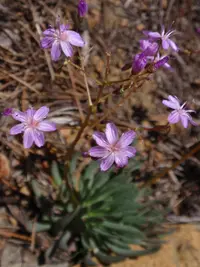
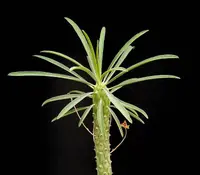
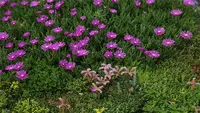
Ashy sandmat (Euphorbia cinerascens) is a small, sun-loving succulent from arid regions of Mexico and the southwestern United States. It forms low, spreading mats with fine stems and tiny leaves, often with a gray-green or ashy cast.

This plant is adapted to hot, dry conditions and poor, rocky soils, which makes it naturally drought tolerant and low maintenance. Its modest size and slow, compact growth habit suit rock gardens, dry borders, and containers.

To care for ashy sandmat successfully, provide strong light, very well-drained soil, and only light, occasional watering, especially in cool or low-light periods.

Main Plant Requirements

Care Difficulty

Easy Care

Light Preference

Full Sun

Water Requirements

Low Water

Temperature Preference

Tropical / Frost Sensitive

Hardiness Zone

Unknown

Soil Texture

Sandy, Loamy, Rocky

Soil pH

Slightly acidic (6.5–7.0), Neutral (7.0)

Soil Drainage

Well-drained

Fertilization

Minimal (feed rarely)

Get Personalized Care Plan

Scan your plant to receive care tips personalized for your specific plant

Available on iOS and Android

How to Care for the ashy sandmat

This sun-loving succulent thrives in bright, open exposures similar to its native desert habitat.

  • Provide 6–8 hours of direct sun daily; morning and late-afternoon sun are ideal, with some protection from harsh mid-day summer sun in very hot regions.
  • In mild climates, full sun all day is suitable, but in areas above 95°F (35°C), use light shade cloth or nearby plants to filter the strongest rays.
  • If stems stretch, lose their compact form, or become pale, light is insufficient; relocate ashy sandmat to a sunnier, unobstructed position.

This drought-adapted Euphorbia requires infrequent, careful watering to avoid root rot.

  • Outdoors in well-drained soil, water only when the top 3–5 cm are completely dry; in many arid climates this may mean every 10–21 days in summer, less in cooler seasons.
  • Use fast-draining, gritty soil so water runs through quickly; avoid any standing water around the root zone or in low spots of the bed.
  • Reduce watering sharply in fall and winter; prune back if stems shrivel severely, but usually mild wrinkling signals it is time to water Euphorbia cinerascens.

This species prefers warm, dry conditions and has limited tolerance to cold or frost.

  • Optimal growth occurs around 70–90°F (21–32°C); it remains stable up to about 100°F (38°C) if soil drains well and airflow is good.
  • Protect from frost; sustained temperatures below 30°F (-1°C) can damage tissues, and below 25°F (-4°C) may kill stems or entire plants.
  • In regions with cold winters, grow in the warmest microclimate available, such as against a south-facing wall, and avoid spots with cold wind or frost pockets.

This drought-adapted succulent tolerates typical indoor humidity and rarely needs special adjustment when caring for ashy sandmat.

  • Target 30–50% relative humidity, similar to most heated or air-conditioned homes.
  • Dry indoor air is usually acceptable; problems arise more from overwatering than from low humidity.
  • If stems wrinkle while the soil is moist, reduce any added humidity and improve air circulation to prevent rot.

This species needs a very fast-draining, mineral-based substrate to prevent root and stem rot.

  • Use a gritty mix such as 60–70% inorganic material (pumice, coarse sand, or small gravel) with 30–40% cactus potting mix.
  • Aim for slightly acidic to neutral pH around 6.0–7.0, which suits Euphorbia cinerascens and limits nutrient lockout.
  • Improve aeration by avoiding fine peat-heavy mixes that compact and instead favor coarse particles that keep air pockets around roots.
  • Avoid water-retentive garden soil or clay-based mixes that stay wet for more than 1–2 days after watering.

This compact succulent is well suited to container growing outdoors in mild climates or indoors in bright locations.

  • Choose a low, wide pot to balance the plant’s spreading stems and reduce tipping in wind or accidental bumps.
  • Select unglazed terracotta if extra evaporation is needed, or glazed ceramic if the plant dries too fast in hot climates.
  • Use a pot with multiple drainage holes so excess water exits quickly, preventing water from pooling at the base of the root zone.

This drought-adapted succulent needs only light feeding in containers or very poor soils.

  • Use a balanced, low-nitrogen succulent fertilizer or diluted 10-10-10 at 1/4–1/2 strength for ashy sandmat.
  • Feed once in spring and, if growth is weak, once again in midsummer during active growth.
  • Skip fertilizer in winter or any dormant period to avoid soft, weak tissues.
  • Avoid rich compost or frequent slow-release products, which encourage leggy, unstable growth.

Pruning Euphorbia cinerascens is mainly corrective, keeping clumps healthy and within bounds.

  • Carry out light pruning in late winter or early spring before strong new growth begins.
  • Remove dead, damaged, or crossing stems at the base to improve air flow and reduce disease risk.
  • Thin crowded shoots to maintain a compact, upright form and prevent stems from shading each other.
  • Use clean, sharp pruners and avoid skin contact with the milky sap; let cut surfaces dry and callus.

Container-grown plants or young clumps benefit from infrequent but careful repotting or transplanting.

  • Plan moves in late spring, once temperatures are reliably warm and growth is starting.
  • Look for roots circling the pot, slow growth despite good light, or quick drying soil as signs to repot every 3–4 years.
  • Choose a slightly larger container with a gritty, fast-draining cactus mix to limit waterlogging stress.
  • Handle the root ball gently, keep roots as intact as possible, then water lightly and shade for 3–5 days.

Propagation of Euphorbia cinerascens is usually done from stem cuttings or seeds under warm, bright conditions.

  • Take semi-firm stem cuttings in late spring or early summer, wearing gloves to avoid sap contact.
  • Allow cut ends to dry and callus for several days before setting into a sterile, gritty mix.
  • Keep cuttings in bright, indirect light at 70–80°F with very light, infrequent watering until rooted.
  • Sow fresh seed on the surface of well-drained soil, maintain gentle warmth, and avoid overwatering during germination.

This species prefers mild, dry winters and is only moderately tolerant of frost.

  • In regions below about 25°F, grow in containers and move plants indoors to a bright, cool, dry spot for winter.
  • Ensure outdoor plants are in sharply drained soil so roots do not sit wet in cold conditions.
  • Apply a light gravel mulch around the base to keep crowns drier and reduce freeze–thaw damage.
  • Reduce watering significantly in winter, keeping stems firm but never waterlogged.

Care Tips

Root-zone containment

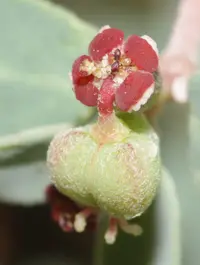
Grow this species in a wide, shallow pot or set an underground root barrier in the ground to prevent its creeping stems from rooting and spreading into nearby beds.

Safe handling routine

Always use gloves and long sleeves when pruning or repotting, and rinse any tools that contact the milky sap to avoid skin irritation and accidental transfer to eyes or mouth.

Targeted stem thinning

Once a year, cut out a few of the oldest, most crowded stems at the base to improve air movement through the clump and reduce the risk of rot in dense growth.

Surface debris control

Remove fallen leaves, weeds, and other debris from the soil surface so that the thin stems dry quickly after rain and are less attractive to pests such as mealybugs and scale.

Winter rainfall shielding

In regions with cool, wet winters, place a simple clear rain cover or move pots under an overhang so the plant experiences bright light but minimal cold moisture on the root zone, which is critical for caring for ashy sandmat in marginal climates.

Common Pests and Diseases

Mealybugs

This pest often colonizes stems and leaf joints, appearing as white cottony clusters and causing yellowing and stunted growth. Symptoms include sticky honeydew and sooty mold on nearby surfaces.

Solution

Isolate the plant, then dab visible insects with cotton swabs dipped in 70% isopropyl alcohol and repeat weekly until new growth is clean. Improve light and airflow, and for larger infestations use a ready-to-use insecticidal soap or neem oil spray directed into stem crevices, avoiding oversaturation of the soil.

Spider mites

These insects thrive in hot, dry conditions and feed on the plant’s sap, leading to pale, speckled stems and fine webbing between branches. Symptoms include general dullness of the plant surface and slow decline over time.

Solution

Rinse the plant thoroughly with a firm but gentle stream of water, especially along ribbed stems, to remove mites and webbing. Increase humidity around the plant slightly, avoid blasting it with hot, dry air, and use repeated applications of insecticidal soap or horticultural oil, making sure to coat all surfaces every 5–7 days for several cycles.

Scale insects

This pest appears as small, hard or waxy bumps on stems, often clustered along ridges, and can cause localized yellowing and reduced vigor. Symptoms include sticky honeydew and occasional sooty mold around infested areas.

Solution

Scrape or gently pry off individual scales with a fingernail or soft brush, then wipe stems with a cloth lightly moistened with 70% isopropyl alcohol. For more extensive infestations, apply horticultural oil or neem oil to all stem surfaces, repeating every 10–14 days while monitoring new growth closely.

Powdery mildew

This disease produces a fine white or gray powder on photosynthetic stem surfaces, especially under cool nights and poor airflow. Symptoms include dull, patchy discoloration and reduced growth if left untreated.

Solution

Improve spacing and airflow around the plant and avoid overhead watering that keeps tissues damp for long periods. Remove heavily affected stem sections if practical, then apply a sulfur-based fungicide or potassium bicarbonate spray labeled for ornamentals, treating all surfaces and repeating as directed until new growth remains clean.

Stem canker

This disease causes sunken, dark lesions on stems that may crack and lead to dieback above the infected area, especially after mechanical injury or cold damage. Symptoms include localized shriveling and collapse of sections while the rest of the plant appears healthy.

Solution

Cut out affected stem segments well below visible damage with a sterile, sharp tool, then allow cuts to dry and callus in a warm, bright, dry location. Disinfect tools between cuts, avoid wounding the plant in wet or cold conditions, and maintain well-draining soil to reduce stress and support long-term Euphorbia cinerascens plant care.

Interesting Facts

Mexican plateau specialist

This species is native to arid and semi-arid regions of central and northern Mexico, where it grows on open, sun-exposed slopes and rocky ground rather than in forest shade.

Ashy leaf surface

The plant has narrow leaves with a grayish, ashy cast caused by fine surface hairs and waxes, which help reduce water loss and reflect intense sunlight in its native habitat.

Milky latex defense

Like many spurges, it produces a white, irritating latex sap that deters most herbivores and helps seal wounds, so any handling or pruning should avoid skin contact with the sap.

FAQs about ashy sandmat

This species forms low, mat-like patches but usually spreads slowly where soil is poor and dry. In richer or regularly watered sites, it can seed around more, so monitor edges and remove unwanted seedlings promptly.

Grow Healthy Plants with Botan Care

Keep your plants happy and healthy with plant identification, disease detection, and easy care guidance.

Botan plant care app — identify plants on mobile

Explore More Plants