Kellogg's lewisia Care (Lewisia kelloggii)

Kellogg's lewisia

About Kellogg's lewisia

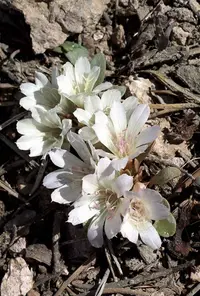
Kellogg's lewisia (Lewisia kelloggii) is a small, perennial alpine wildflower native to rocky slopes of California and southwestern Oregon. It forms low rosettes that tuck into crevices and gravelly pockets.

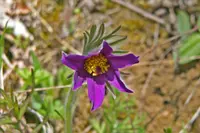
The plant produces fleshy, narrow leaves and showy star-shaped flowers in shades of pink or white on short stems above the foliage. Its compact size and drought tolerance make it appealing for rock gardens and trough plantings.

This species prefers cool roots, excellent drainage, and relatively low to moderate moisture, which can make how to care for Kellogg's lewisia slightly more demanding for beginners in wetter climates.

Main Plant Requirements

Care Difficulty

Moderate Care

Light Preference

Full Sun

Water Requirements

Low Water

Temperature Preference

Cold Hardy

Hardiness Zone

4–8

Soil Texture

Sandy, Loamy, Rocky

Soil pH

Acidic (5.5–6.5), Slightly acidic (6.5–7.0)

Soil Drainage

Well-drained

Fertilization

Minimal (feed rarely)

Get Personalized Care Plan

Scan your plant to receive care tips personalized for your specific plant

Available on iOS and Android

How to Care for the Kellogg's lewisia

This alpine perennial needs bright conditions that mimic open mountain habitats.

  • Provide 6–8 hours of direct sun in cool climates; in hotter regions, give morning sun with light shade after 1–2 pm to protect Kellogg's lewisia from scorch.
  • Allow light or dappled shade in the hottest part of summer, especially on south- or west-facing sites that intensify afternoon heat.
  • Watch foliage color and flowering: pale, stretched leaves and weak blooms indicate too little sun, while crisped leaf edges signal excessive exposure.

This species prefers dry to moderately dry conditions and is very sensitive to excess moisture.

  • Water only when the top 3–5 cm of gritty soil are completely dry, then soak thoroughly and let excess drain away from the crown.
  • Reduce watering sharply in fall and winter, keeping the root zone almost dry, especially in heavy rain climates to prevent rot in Lewisia kelloggii.
  • Check for overwatering signs such as mushy leaves, crown softness, or a sour smell; underwatering shows as wrinkled, limp foliage that firms up after a deep drink.

This mountain plant tolerates a wide temperature range but dislikes warm, wet conditions.

  • Aim for active growth in cool conditions around 50–65°F (10–18°C), with flowers forming best in cooler spring and early summer weather.
  • Plants are generally hardy down to about 0°F (−18°C) if soil is sharply drained and the crown is protected from winter wet and ice.
  • In summer, growth may slow above 80°F (27°C); provide afternoon shade and very free-draining soil to limit heat plus moisture stress that can cause rot.

This alpine species prefers dry, airy conditions and does not need elevated humidity.

Lewisia kelloggii needs very sharply drained, mineral-rich soil to prevent root and crown rot.

  • Use a gritty mix such as 40% coarse sand, 40% small gravel or grit, and 20% low-organic potting mix.
  • Ensure water runs through rapidly; avoid any mix that stays wet or sticky for more than a few hours after watering.
  • Aim for slightly acidic to neutral pH, around 6.0–7.0, which suits its native rocky habitats.
  • Raise beds or plant in rock crevices to improve drainage and aeration around the crown.

This species is well suited to container culture, especially in shallow, free-draining pots.

  • Choose a wide, shallow container to match the shallow root system and keep the crown above the wettest zone.
  • Use a clay or terracotta pot so moisture evaporates faster, reducing the risk of persistent wetness around roots.
  • Elevate the pot on feet or mesh so drainage holes stay clear and water cannot pool under the base.

Native to low-nutrient habitats, Lewisia kelloggii needs only light, careful feeding in cultivation.

  • Use a very dilute balanced liquid fertilizer (for example 10-10-10 at 1/4 strength) in well-drained soil.
  • Feed once every 4–6 weeks during active spring–summer growth if foliage looks pale or flowering is weak.
  • Avoid rich compost or heavy slow-release pellets, which can cause soft, rot-prone growth.
  • Stop feeding in fall and winter dormancy; excess nutrients at this time increase rot risk.

Lewisia kelloggii needs only light grooming to stay compact and flowering well.

  • In late spring and summer, remove spent flower stalks at the base to encourage a neater rosette and potential rebloom.
  • Trim away yellowed, dead, or damaged leaves with small, sharp scissors or snips to reduce fungal problems.
  • Do not cut into the firm central rosette; focus on outer, declining foliage only.
  • Keep cuts clean and minimal to avoid open wounds in this rot-sensitive alpine plant.

This alpine species dislikes frequent disturbance, so repot or transplant Lewisia kelloggii only when clearly needed.

  • Check for roots circling the drainage holes, soil that dries almost instantly, or stalled growth as signs a container is too small.
  • Plan any transplanting or repotting for early spring, before strong new growth, and limit to every 3–4 years.
  • Move into only a slightly larger pot or rock garden pocket with very sharp drainage, such as gritty, sandy mix.
  • Handle the root ball gently, keep roots shaded and moist during the move, then water lightly and allow soil to dry between waterings.

Propagation of Lewisia kelloggii is possible but somewhat delicate, so small losses are common.

  • Sow fresh seed in late fall or winter outdoors for natural cold stratification, using a gritty, free-draining mix.
  • Keep seed trays cool and just lightly moist; germination may be slow and irregular in spring.
  • Where clumps form offsets, divide cautiously in early spring, keeping each rosette with a good root portion.
  • Replant divisions in sharply drained sites, water sparingly, and shelter from heavy rain until established.

Lewisia kelloggii is cold hardy but sensitive to excess winter moisture, which often causes more damage than frost.

  • In-ground plants tolerate freezing conditions but benefit from very sharp drainage on a slope or rock crevice.
  • Apply a light gravel or grit mulch around crowns to keep foliage dry and reduce freeze–thaw heaving.
  • For containers, move pots under a cold, bright, sheltered overhang to limit winter rain and snow load.
  • Water sparingly in winter, allowing the mix to dry well between light drinks to prevent root and crown rot.

Care Tips

Rock crevice planting

Tuck plants into narrow rock crevices or between stacked stones so excess water drains away from the crown and roots stay cool while foliage and flowers receive good light exposure.

Gritty surface mulch

Top-dress around the rosette with a 1–2 cm layer of sharp grit or small gravel to keep the crown dry, reduce splash onto leaves, and discourage slug damage.

Winter rain protection

In regions with wet winters, place a simple clear cover or cold frame roof over the planting area from late fall to early spring to limit prolonged saturation while still allowing strong light.

Controlled container stress

If growing in pots, choose a shallow, wide container with several drainage holes and let the mix dry almost completely between waterings to mimic the plant’s natural stress cycles and encourage tighter, more floriferous growth.

Post-flower grooming

After flowering, pinch or cut off spent flower stems close to the rosette and remove any yellowing outer leaves to reduce rot risk and direct energy into root and crown strength when caring for Kellogg's lewisia.

Common Pests and Diseases

Crown rot

This disease develops in the central rosette when soil stays wet and poorly drained, leading to collapse of the growing point. Symptoms include browning, mushy tissue at the crown and sudden wilt, especially after winter or heavy rain.

Solution

Improve drainage with very gritty soil, keep the crown slightly elevated above the surrounding mix, and avoid overhead or frequent watering. Cut out all soft, rotted tissue with a sterile blade, dust the wound and adjacent crown with a dry sulfur- or copper-based fungicidal powder, then keep the plant on the dry side until new growth resumes.

Botrytis blight

This disease appears in cool, damp conditions and causes soft, water-soaked spots on leaves or flower stems that develop fuzzy gray mold. Symptoms include limp foliage and rotting flower stalks, often starting where dead petals or debris sit on the rosette.

Solution

Remove all affected leaves, flower stalks, and plant debris promptly and dispose of them away from the planting area. Improve airflow with wider spacing and gritty, open soil, avoid wetting the foliage, and if conditions stay humid, treat remaining healthy tissue with a labeled fungicide for gray mold, following directions carefully.

Aphids

These insects gather on young flower stems and buds, sucking sap and causing distorted growth and sticky honeydew that can attract sooty mold. This pest is more common on plants grown in richer soil or with excessive fertilization, where soft growth is abundant.

Solution

Rinse colonies off flower stems and rosettes with a firm stream of water, repeating as needed. For persistent infestations, spot-treat with insecticidal soap or a light horticultural oil applied in cool parts of the day, ensuring coverage of stems, buds, and the undersides of leaves.

Slugs and snails

These pests feed on fleshy leaves and young flower stalks, leaving irregular holes and ragged edges, especially in damp, shaded placements. Symptoms include slime trails around the rosettes and damage appearing overnight.

Solution

Hand-pick slugs and snails in the evening, use iron phosphate-based pellets around but not on the rosettes, and reduce hiding spots such as dense mulch or boards near the plants. Keeping the planting area drier with sharp grit or gravel around the crowns also discourages feeding.

Root and collar rot complex

This disease affects roots and the lower stem (collar) when plants grow in heavy, water-retentive soil, leading to yellowing, stunting, and eventual collapse. Symptoms include blackened, brittle roots and a constricted, discolored stem base just above the soil line.

Solution

Lift affected plants and discard those with extensive rot, and replant only firm, healthy offsets into sharply draining, gravelly soil or a rock crevice setting. Reduce watering frequency, avoid organic mulches that hold moisture at the base, and for valuable plants, a pre-plant drench with a phosphonate-based fungicide can help protect new root growth.

Interesting Facts

Granite outcrop specialist

This species is naturally restricted to high-elevation granitic outcrops in the Sierra Nevada of California, often growing in tiny soil pockets and rock crevices where few other flowering plants can persist.

Fleshy, drought-ready leaves

Its small, spoon-shaped leaves are succulent and store water, an adaptation that helps the plant survive intense sun, rapid drainage, and periodic summer drought in its mountain habitat.

Snowmelt timing strategy

In the wild, it typically grows where snow lingers into late spring, emerging and flowering soon after snowmelt when soil moisture is briefly abundant and competition is low.

Botan icon

Did you know?

Lewisia kelloggii is considered a narrow Sierra Nevada endemic, meaning it occurs naturally only in a relatively small geographic area, which makes conservation of its specialized rocky habitat especially important.

FAQs about Kellogg's lewisia

This alpine species performs best outdoors in rock gardens, troughs, or well-drained containers kept cool and bright. Indoors it usually struggles with poor air movement, excess warmth, and inconsistent moisture, so long-term Kellogg's lewisia indoor care is challenging.

Grow Healthy Plants with Botan Care

Keep your plants happy and healthy with plant identification, disease detection, and easy care guidance.

Botan plant care app — identify plants on mobile

Explore More Plants