quill-leaf lewisia Care (Lewisia leeana)

Also known as: quill-leaved lewisia
quill-leaf lewisia

About quill-leaf lewisia

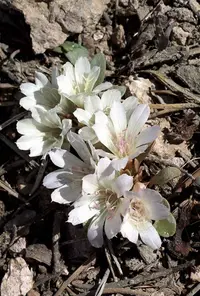
Quill-leaf lewisia (Lewisia leeana) is a small, hardy perennial from the rocky mountains of western North America. It typically grows in tight rosettes close to the ground. Narrow, quill-like leaves form a compact tuft, while delicate star-shaped flowers rise above on short stems in late spring to early summer. Colors are often soft pink to white. In nature it anchors itself in gravelly, fast-draining crevices, often in cool, open conifer forests. This origin makes it rewarding but somewhat challenging, since it dislikes heavy, wet soils and stagnant moisture. Gardeners who understand how to care for quill-leaf lewisia focus on sharp drainage, moderate light, and protection from extreme heat or winter wet.

Main Plant Requirements

Care Difficulty

Hard Care

Light Preference

Partial Sun

Water Requirements

Low Water

Temperature Preference

Cold Hardy

Hardiness Zone

4–8

Soil Texture

Sandy, Rocky, Loamy

Soil pH

Acidic (5.5–6.5), Slightly acidic (6.5–7.0)

Soil Drainage

Well-drained

Fertilization

Minimal (feed rarely)

Get Personalized Care Plan

Scan your plant to receive care tips personalized for your specific plant

Available on iOS and Android

How to Care for the quill-leaf lewisia

This alpine perennial prefers bright, cool conditions with strong light but protection from harsh extremes.

  • Provide 4–6 hours of direct morning sun with light afternoon shade; east or northeast exposure suits quill-leaf lewisia in most temperate climates.
  • Allow light or dappled shade during the hottest part of the day to prevent leaf scorch and faded flowers, especially in summer.
  • Ensure at least 6 hours of bright light total; in deep shade rosettes elongate, flowering drops, and foliage becomes pale or limp.

This species prefers careful, lean watering and is sensitive to prolonged wet conditions around its crown.

  • Let the top 3–5 cm of soil dry completely before watering; in cool climates this may mean long intervals between waterings, especially in rocky or sandy sites.
  • Water at the soil level in the morning and keep the crown slightly raised or on gritty mounds to improve runoff and reduce rot risk for Lewisia leeana.
  • Reduce watering sharply in fall and winter, supplying only enough to prevent shriveling; swollen, translucent leaves indicate overwatering, while wrinkling and limp foliage signal underwatering.

This mountain plant prefers cool to mild temperatures and tolerates substantial cold when drainage is excellent.

  • Aim for active growth in 50–70°F (10–21°C); flowering is best in cool springs that stay below about 75°F (24°C).
  • Mature plants tolerate brief drops to around 10–15°F (-12 to -9°C) if soil is sharply drained and not waterlogged during freezes.
  • Provide afternoon shade and extra airflow when temperatures exceed 85°F (29°C); extended heat above 90°F (32°C) can cause stress, reduced flowering, and dieback.

This alpine species prefers relatively dry air and usually does not need special humidity control.

  • Target 30–50% humidity, similar to typical indoor or outdoor air in many homes and dry summer climates.
  • Leaves may show soft, translucent patches or increased rot risk if kept in very humid, stagnant conditions.
  • Improve air movement around quill-leaf lewisia with spacing, a small fan outdoors, or avoiding crowded, enclosed placements.

Lewisia leeana needs sharply drained, rocky soil to prevent root and crown rot.

  • Use a gritty mix such as 40% coarse sand, 40% fine gravel or grit, and 20% lean compost or loam for structure and nutrients.
  • Ensure very fast drainage; water should pass through in seconds, never leaving the soil waterlogged or heavy.
  • Aim for slightly acidic to neutral pH, around 6.0–7.0, which suits its native mountain habitats.
  • Avoid peat-heavy, clayey, or dense organic mixes; improve aeration by increasing grit or small gravel whenever water lingers on the surface.

This species is well suited to container growing, especially in rock-garden style pots or troughs.

  • Choose a wide, shallow pot that allows the fibrous roots to spread horizontally without deep, wet pockets forming.
  • Select unglazed clay or concrete containers to let moisture evaporate faster and keep the crown drier after rain or watering.
  • Elevate the pot on feet or bricks so drainage holes clear quickly and runoff cannot pool beneath the container.

Lewisia leeana is adapted to lean, rocky soils and needs only light feeding under cultivation.

  • Use a low-strength balanced fertilizer (such as 10-10-10) diluted to 1/4–1/2 strength if growth is weak.
  • Apply a small amount once a month in spring–early summer during active growth, then stop by late summer.
  • Avoid heavy compost or rich manure, which can cause rot; use a gritty, well-drained mix instead.
  • Do not feed during winter dormancy, as the plant rests and excess nutrients can stress roots.

Lewisia leeana needs minimal pruning, mainly for cleanliness and better flowering.

  • In late spring and summer, remove spent flower stems at the base to encourage a tidier rosette and potential rebloom.
  • Snip off dead or damaged leaves with clean, sharp scissors to reduce disease risk.
  • Thin out any crowded, yellowing foliage to improve airflow around the crown.
  • Avoid heavy cutting; maintain the natural compact form of the rosettes.

Lewisia leeana is usually grown in rock gardens or well-drained beds, with only occasional transplanting or repotting needed.

  • Transplant or repot in early spring when new growth starts, choosing a cool, overcast day to limit stress.
  • Move plants only when clumps outgrow their space, growth slows, or roots circle a small container.
  • Use a shallow, gritty mix and disturb roots as little as possible; keep the crown above soil level.
  • Water lightly after moving, then allow soil to dry slightly between waterings to reduce rot risk.

Lewisia leeana can be propagated by seed or careful division under suitable conditions.

  • Sow fresh seed in late summer–fall in a gritty, well-draining mix; many seeds need a cold period to germinate.
  • Leave seed pots outdoors for natural winter stratification, keeping them just moist, not wet.
  • In early spring, divide larger, healthy clumps, ensuring each division has firm rosettes and some roots.
  • Replant divisions immediately, shading lightly and watering sparingly until established.

Lewisia leeana is cold hardy but benefits from protection from excessive winter wet.

  • In the ground, ensure sharp drainage and use a gravel or grit mulch around the crown to keep it dry.
  • In very wet or freeze–thaw climates, provide an overhead cover, such as a cold frame lid, to shed rain and snow.
  • For containers, move pots to a sheltered, unheated but frost-exposed spot so plants stay cold but not waterlogged.

Care Tips

Rock crevice planting

Tuck plants into wide, shallow rock crevices or between stones with gritty backfill to keep crowns dry while roots access cool, moist pockets below.

Crown rot prevention

Set the crown slightly proud of the surrounding gravel and slope the surface away so meltwater and heavy rain run off instead of pooling around the growing point.

Targeted winter protection

In climates with wet winters, cover clumps with a simple clear rain shield or cold frame lid from late fall to early spring to reduce crown rot while still allowing cold exposure.

Seedling succession strategy

Collect ripe seed capsules and sow in pots of gritty mix outdoors for natural stratification, then use young seedlings to refresh older, declining clumps every 3–5 years.

Container rotation plan

For container-grown plants, rotate pots seasonally, placing them in the coolest, airiest part of the rock garden or patio for summer and in a sheltered but bright spot for winter to simplify caring for quill-leaf lewisia in changeable climates.

Common Pests and Diseases

Aphids

These insects cluster on tender flower stalks and leaf bases, sucking sap and causing distortion, sticky honeydew, and reduced flowering. This pest is especially common on plants grown in richer soil or partial shade.

Solution

Rinse colonies off with a firm stream of water, repeating every few days as needed, and remove heavily infested flower stalks. For persistent infestations, apply insecticidal soap or a light horticultural oil, coating undersides of leaves and flower stems while avoiding application in full, hot sun.

Slugs and snails

These pests chew irregular holes in the fleshy rosettes and flower stems, often leaving slime trails and damaging plants in damp or crowded rock garden sites. Symptoms include notched leaves and missing flower buds, especially after wet nights.

Solution

Hand-pick at dusk or early morning, use iron phosphate slug bait around but not on the crowns, and reduce hiding places such as dense mulch or piled stones near the plants. Improve drainage and avoid persistent surface moisture around the rosette to make the site less attractive.

Crown rot

This disease affects the central rosette when moisture remains around the crown, leading to browning, collapse of inner leaves, and a mushy base. Symptoms include a healthy outer ring of leaves with a dying, soft center in poorly drained or overwatered conditions.

Solution

Remove and discard affected plants or cut away all soft, discolored tissue and replant only firm, healthy sections in very sharp-draining, gritty soil with the crown kept slightly raised. In wetter climates, protect the crown from winter rain with overhead cover and avoid watering directly into the rosette, which is critical for Lewisia leeana care.

Botrytis blight

This disease appears in cool, damp weather as gray, fuzzy mold on fading flowers, buds, and sometimes leaves, leading to spotting and collapse of affected tissue. Symptoms include soft, water-soaked areas that quickly turn brown and moldy, especially on crowded plants.

Solution

Promptly remove spent flowers and any affected tissue, and dispose of it in the trash rather than compost. Improve air circulation, avoid overhead watering, and in persistent cases apply a fungicide labeled for botrytis on ornamentals, keeping the foliage as dry as possible.

Spider mites

These insects can affect plants grown very dry and hot, causing fine speckling on leaves, dull coloration, and very fine webbing between leaf bases. This pest is more likely under sheltered, sun-baked conditions with low humidity.

Solution

Spray the plant thoroughly with a strong, fine mist of water to dislodge mites, repeating several times over a week, and consider moving potted plants to a slightly cooler, better-ventilated spot. If needed, use insecticidal soap or a light horticultural oil, ensuring good coverage in leaf crevices while avoiding use in intense midday sun.

Interesting Facts

Sierra Nevada specialist

This species is native to high-elevation granite outcrops in the central and southern Sierra Nevada of California, where it grows in rock crevices and shallow, fast-draining pockets of grit and gravel.

Fleshy quill-like leaves

The narrow, cylindrical leaves are succulent and somewhat quill-like, an adaptation that helps reduce water loss and store moisture in the exposed, rocky habitats it occupies.

Snowmelt flowering pattern

In the wild, it typically flowers soon after snowmelt in late spring to early summer, taking advantage of brief periods of higher soil moisture before the rocky substrate dries out.

Botan icon

Did you know?

Lewisia leeana was named in honor of the American botanist and mycologist George Russell Leavitt Lee, recognizing his contributions to the study of western North American flora.

FAQs about quill-leaf lewisia

This species usually performs best in rock gardens or well-drained outdoor beds, but it also does well in containers with gritty soil. Containers help control drainage and winter moisture, which is important for Lewisia leeana care.

Grow Healthy Plants with Botan Care

Keep your plants happy and healthy with plant identification, disease detection, and easy care guidance.

Botan plant care app — identify plants on mobile

Explore More Plants