Use mineral mulch
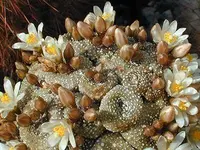
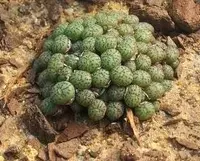
Apply a thin top dressing of coarse grit or small stones around the root zone to keep stems dry at the base, reduce algae and fungus growth, and stabilize the plant in its pot.

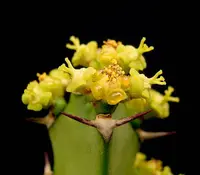
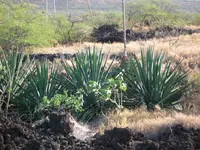
Euphorbia graminifolia is a small, branching succulent shrub in the spurge family, valued for its fine, grass-like leaves and delicate, airy structure. It typically forms a low, bushy mound with slender stems and small, subtle flowers rather than showy blooms.
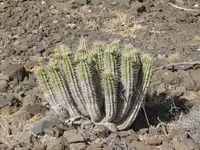
This species is native to dry, open habitats, where it experiences strong light, lean soils, and periodic drought. Its drought tolerance and modest size can make it suitable for experienced collectors and careful beginners who want to care for Euphorbia graminifolia.
It generally prefers bright light, very well-drained mineral soil, and cautious watering to avoid rot, which are key factors for its long-term health.

Care Difficulty
Moderate Care

Light Preference
Partial Sun

Water Requirements
Moderate Water

Temperature Preference
Warm Climate

Hardiness Zone
Unknown

Soil Texture
Sandy, Loamy

Soil pH
Slightly acidic (6.5–7.0)

Soil Drainage
Well-drained

Fertilization
Minimal (feed rarely)
Scan your plant to receive care tips personalized for your specific plant
Available on iOS and Android
This drought-tolerant species prefers bright, open conditions with protection from the harshest midday sun.
This plant behaves like a succulent and needs infrequent but thorough watering in sharply draining soil.
This species prefers warm, dry conditions and is sensitive to prolonged cold and frost.
This species tolerates typical indoor humidity and rarely needs special adjustments.
This species needs a very fast-draining, mineral-based substrate to prevent root and stem rot.
This species is suitable for container growing when drainage and stability are carefully managed.
This drought-adapted species needs only modest feeding to stay healthy in containers or poor soil.
Pruning needs are light and mainly focused on maintaining a clean, compact outline.
This species grows slowly and prefers infrequent disturbance of its root system.
Propagation is possible but should be handled carefully due to the plant’s latex sap.
Cold tolerance is limited, so attention in winter is important in cooler climates.

Plant Health Check
Not sure what's wrong with your plant? Check your plant's health inside the app.
This species shows a marked seasonal rhythm, forming its narrow, grass‑like stems and leaves during the warm, bright months and then reducing active growth or dying back partially in cooler, drier periods in its native range.
Like many spurges, it produces a white, milky latex in stems and leaves that deters most herbivores and can irritate human skin and eyes, so any pruning or propagation is best done with gloves and eye protection.
The very slender, linear leaves and fine stems give it a strong visual resemblance to clump‑forming grasses, an example of morphological convergence where an unrelated plant evolves a grass‑like form for similar open, sunny habitats.
The small, nectar-rich cyathia (specialized flowers) often attract small bees and occasional tiny wasps more than showy butterflies. In mixed plantings, it can contribute modestly to pollinator activity but is not a primary butterfly magnet.
Keep your plants happy and healthy with plant identification, disease detection, and easy care guidance.