Jerusalem Spurge Care (Euphorbia hierosolymitana)

Jerusalem Spurge

About Jerusalem Spurge

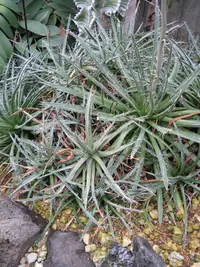
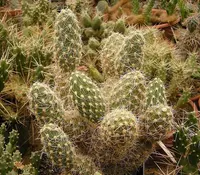
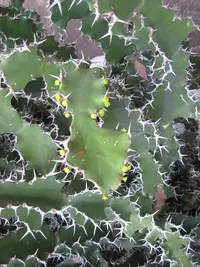
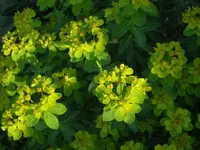
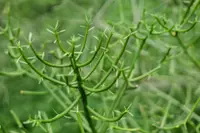
Euphorbia hierosolymitana, commonly called Jerusalem spurge, is a perennial herb in the spurge family. It typically forms low, branching clumps with narrow leaves and small, greenish-yellow floral structures called cyathia. These create a soft, textured look rather than showy flowers.

This species is native to the Eastern Mediterranean, where it grows in rocky, well-drained habitats and open scrub. It is generally resilient but needs good drainage and dislikes heavy, waterlogged soil.

Gardeners who learn how to care for Jerusalem Spurge usually find it manageable, provided it receives bright light, moderate moisture, and a gritty or sandy soil mix.

Main Plant Requirements

Care Difficulty

Moderate Care

Light Preference

Full Sun

Water Requirements

Low Water

Temperature Preference

Warm Climate

Hardiness Zone

9–11

Soil Texture

Sandy, Loamy, Rocky

Soil pH

Slightly acidic (6.5–7.0), Neutral (7.0)

Soil Drainage

Well-drained

Fertilization

Minimal (feed rarely)

Get Personalized Care Plan

Scan your plant to receive care tips personalized for your specific plant

Available on iOS and Android

How to Care for the Jerusalem Spurge

This Mediterranean spurge prefers bright, open conditions with controlled exposure to strong sun.

  • Aim for 4–6 hours of direct morning sun with light or dappled shade in the early afternoon, especially in hot summer climates.
  • Tolerates partial shade, but stems may stretch and flowering can decrease if it receives less than 3–4 hours of direct light.
  • In very hot regions, protect Jerusalem Spurge from intense sun between 1–4 p.m. to reduce leaf scorch and soil moisture loss.

This drought-tolerant species prefers infrequent, thorough watering rather than constant moisture.

  • Outdoors in well-drained soil, water when the top 3–5 cm is completely dry and lower soil feels only slightly cool, not wet, to the touch.
  • Reduce watering in fall and winter, allowing soil to dry deeper; resume slightly more frequent watering once new spring growth appears.
  • Watch for yellowing, soft stems as a sign of overwatering in Euphorbia hierosolymitana, and shriveling or limp new growth as a sign of underwatering.

This species favors warm, dry conditions and does not tolerate hard frost.

  • Best growth occurs around 65–80°F (18–27°C), with stable conditions and good air movement to reduce fungal problems.
  • Tolerates short heatwaves up to about 95°F (35°C) if soil is well drained and the root zone is not waterlogged.
  • Protect from frost; growth is damaged below about 30°F (-1°C), so provide mulch, covers, or relocation in regions with freezing winters.

This species tolerates typical indoor humidity and does not need special moisture in the air.

This species needs sharply draining, mineral-based soil to keep roots dry and healthy.

  • Use a sandy or gritty mix, such as 50–70% cactus mix blended with coarse sand, fine gravel, or perlite, to prevent water retention around the roots.
  • Aim for slightly alkaline to neutral pH around 7.0–7.8, avoiding strongly acidic substrates that can reduce nutrient availability for Euphorbia hierosolymitana.
  • Add inorganic materials like pumice, small gravel, or coarse perlite to increase aeration and keep the structure open over time.
  • Avoid heavy clay, peat-heavy, or compacted mixes that stay wet for more than 1–2 days after watering, as this encourages root rot.

This species is suitable for container growing when drainage and stability are prioritized.

  • Choose a wide, shallow pot rather than a deep one to match the relatively shallow root system and reduce unused wet soil volume.
  • Select unglazed terracotta if possible, as its porous walls allow faster evaporation and reduce the risk of prolonged root-zone moisture.
  • Place a layer of coarse gravel or large pumice over the drainage holes to prevent mix loss while maintaining a free-flowing outlet for excess water.

This species is adapted to low-nutrient soils, so Jerusalem Spurge benefits from only light, occasional feeding in cultivation.

  • Use a balanced, diluted liquid fertilizer (for example 10-10-10 at 1/4 strength) or a light top-dressing of fine compost in spring.
  • Feed once at the start of active growth, then again mid-season if growth appears weak or foliage pale.
  • Avoid high-nitrogen products, which can cause soft, leggy growth and reduce stress tolerance.
  • Do not fertilize in winter or during dormancy, as low nutrient levels help maintain compact, healthy growth.

Euphorbia hierosolymitana generally needs minimal pruning, mainly to maintain shape and plant health.

  • Carry out pruning in late winter or early spring before strong new growth begins.
  • Remove dead, damaged, or diseased stems first, then thin crowded shoots to improve air flow.
  • Use clean, sharp hand pruners and wear gloves to avoid contact with the irritating milky sap.
  • Light shaping encourages a compact form but avoid heavy cutting into old, woody tissue that may not reshoot.

This species is most often grown in the ground, so focus on careful transplanting rather than frequent repotting.

  • Transplant in early spring or early fall when temperatures are mild and soil is workable.
  • Move plants only when necessary, such as when clumps outgrow their space or show reduced vigor despite good care.
  • Lift with a wide root ball, disturbing roots as little as possible, and replant at the same depth in well-drained soil.
  • Water thoroughly after transplanting, then keep soil lightly moist for several weeks to limit transplant shock and support root re-establishment.

Euphorbia hierosolymitana is usually propagated in cultivation by seed or division under controlled, well-drained conditions.

  • Sow fresh seed in late winter to early spring in a gritty, free-draining mix, barely covering the seeds.
  • Maintain gentle warmth (60–70°F), bright light, and even but not waterlogged moisture for germination.
  • For division, split established clumps in early spring, ensuring each division carries healthy roots and shoots.
  • Replant divisions promptly and water lightly until new growth confirms successful establishment.

This species is generally tolerant of mild to moderate winter conditions and often needs limited intervention once established.

  • In regions with frost, apply a 5–8 cm layer of dry mulch around the root zone in late fall, keeping it off stems.
  • Ensure soil drainage remains good through winter, as saturated cold soils increase root rot risk.
  • For container-grown plants in colder areas, move pots to a sheltered, frost-free but bright location.

Care Tips

Handle Sap Safely

Wear gloves and avoid touching your face when pruning or repotting, since the milky latex sap can irritate skin and eyes; rinse exposed skin with plenty of water if contact occurs.

Encourage Compact Growth

Pinch back soft, extending tips in late spring to promote a bushier, more wind-stable plant rather than tall, weak stems.

Root Zone Mulching

Apply a thin, 2–3 cm layer of mineral mulch such as fine gravel around the base to keep the root zone cooler, reduce surface evaporation, and prevent soil from splashing onto stems.

Prevent Self-Seeding

Deadhead spent flower heads before seeds mature if you want to limit self-sown seedlings and keep the planting design controlled.

Check Winter Drainage

Before winter rain, test drainage by thoroughly soaking the bed and ensuring water clears within a few hours, then raise the planting area or amend only the surrounding soil if puddling occurs to support long-term growing Jerusalem Spurge in the same spot.

Common Pests and Diseases

Powdery mildew

This disease causes a white, powdery film on leaves and young stems, often in dense or shaded plantings. Symptoms include distorted new growth and gradual weakening of the clump.

Solution

Improve air circulation around the plant, avoid overhead watering, and remove heavily infected leaves. In persistent cases, apply a sulfur or potassium bicarbonate fungicide labeled for ornamentals, following directions closely and avoiding treatment during very hot weather.

Rust fungus

This disease produces small orange to brown pustules on the undersides of leaves, with yellowing or spotting on the upper surface. Symptoms include premature leaf drop, especially in humid conditions or crowded plantings.

Solution

Remove and dispose of affected leaves and any fallen debris to reduce spores. Space plants so foliage can dry quickly after rain, water at soil level, and if needed use a low-toxicity fungicide labeled for rust on ornamentals as part of broader Euphorbia hierosolymitana care.

Aphids

These insects cluster on tender stems and undersides of leaves, sucking sap and excreting sticky honeydew. This pest can cause leaf curling, stunted growth, and may attract sooty mold on the honeydew.

Solution

Dislodge colonies with a strong stream of water and prune heavily infested shoot tips. If populations remain high, apply insecticidal soap or a light horticultural oil, making sure to coat the undersides of leaves and repeating as needed according to label instructions.

Spider mites

These pests are tiny and often go unnoticed until fine webbing and stippled, grayish leaves appear, especially in hot, dry sites. This pest stresses the plant and can lead to leaf drop if not controlled.

Solution

Increase humidity around the plant if grown in containers, regularly hose down foliage to remove mites, and remove badly damaged leaves. For ongoing issues, use insecticidal soap or horticultural oil, applied to both sides of the leaves and repeated at 5–7 day intervals until activity drops.

Crown and stem canker

This disease causes sunken, dark lesions at the base of stems or along shoots, sometimes leading to cracking and dieback above the affected area. Symptoms include sudden wilting of individual stems even when soil moisture is adequate.

Solution

Cut out and discard affected stems well below visible damage, disinfecting tools between cuts. Improve drainage, avoid wounding the base of the plant, and prevent prolonged soil moisture around the crown by watering less frequently and keeping mulch away from direct stem contact.

Interesting Facts

Levantine limestone specialist

This species is naturally associated with dry, rocky limestone slopes and open scrub habitats in the Levant, particularly around Jerusalem and nearby regions, where it grows in shallow, mineral-rich soils with high calcium content.

Spring ephemeroid habit

In its native range it behaves partly like a spring ephemeroid, putting on most vegetative and reproductive growth in the cooler, wetter months and becoming far less active as the intense Mediterranean summer heat and drought set in.

Specialized insect visitors

Its small cyathia (the specialized flower units typical of Euphorbia) attract a specific group of small flies and solitary bees that are adapted to navigate the exposed, rocky habitats where this plant occurs.

FAQs about Jerusalem Spurge

All parts contain a white, milky sap that is irritating or toxic if ingested and can burn skin or eyes. Keep this plant away from children and pets, and wear gloves when pruning or propagating.

Grow Healthy Plants with Botan Care

Keep your plants happy and healthy with plant identification, disease detection, and easy care guidance.

Botan plant care app — identify plants on mobile

Explore More Plants