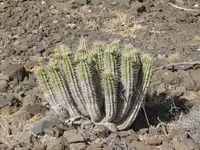
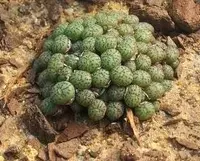
Root-zone containment
Grow this species in a tall, relatively narrow pot to keep the root zone drier around the neck of the plant and reduce the risk of stem rot at the base.

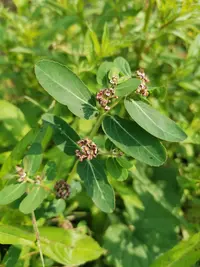
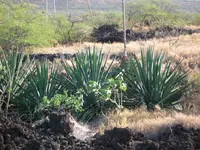
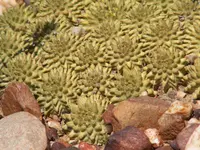
Euphorbia indica is a small, often shrubby succulent from the spurge family, typically forming clumps of upright, green stems with minimal foliage. It has a clean, architectural look that suits simple, modern displays.
This species occurs naturally in parts of South Asia, where it grows in dry, open habitats with strong light and well-drained, often rocky soils. In cultivation, it generally prefers bright light, modest watering, and a gritty, fast-draining mix.
Its drought tolerance and slow, compact growth habit can make it manageable for indoor growers, provided excess moisture and cold conditions are avoided. Understanding how to care for Euphorbia indica mainly involves respecting its need for dryness and good light rather than frequent watering.

Care Difficulty
Moderate Care

Light Preference
Full Sun

Water Requirements
Low Water

Temperature Preference
Tropical / Frost Sensitive

Hardiness Zone
10–12

Soil Texture
Sandy, Loamy, Rocky

Soil pH
Slightly acidic (6.5–7.0), Neutral (7.0)

Soil Drainage
Well-drained

Fertilization
Minimal (feed rarely)
Scan your plant to receive care tips personalized for your specific plant
Available on iOS and Android
This drought-tolerant succulent prefers bright, direct light similar to its native arid habitats.
This species stores water in its tissues and needs infrequent but thorough watering.
This succulent prefers warm, arid conditions and is sensitive to prolonged cold and frost.
This species handles typical indoor humidity well and rarely needs special adjustment.
This species needs a sharply draining, mineral-rich mix that dries quickly between waterings.
This species is well suited to container growing due to its compact, drought-tolerant root system.
This species grows on relatively poor soils and usually needs only light feeding in cultivation.
Pruning is mainly used to maintain structure and remove weak growth rather than to force flowering.
This plant is most often grown in the ground, with container culture used mainly for young or climate-sensitive specimens.
Propagation is commonly done from cuttings or seeds under warm, bright conditions.
This species dislikes hard frost and benefits from basic winter protection in cooler climates.

Plant Health Check
Not sure what's wrong with your plant? Check your plant's health inside the app.
This species has a photosynthetic, water-storing stem with very reduced leaves, an adaptation that allows it to maintain metabolism through dry periods in its native range on the Indian subcontinent.
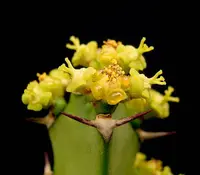
The small flowering structure is a cyathium, a cup-shaped inflorescence characteristic of the genus, with separate male and female flowers inside that attract mainly small insects for pollination.
Like many spurges, it produces a milky latex that deters most herbivores; this latex contains complex diterpenoid compounds that are biologically active and can irritate skin and mucous membranes on contact.
Yellowing leaves usually result from excess moisture around the roots, poor drainage, or natural aging of older foliage. Check for compacted or waterlogged soil, improve drainage, and reduce watering frequency. Cold stress and nutrient imbalance can also contribute.
Keep your plants happy and healthy with plant identification, disease detection, and easy care guidance.