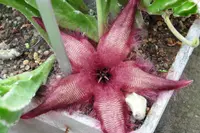
Euphorbia lucorum Care

Euphorbia lucorum

About Euphorbia lucorum

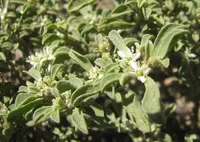
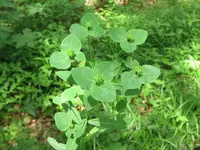
Euphorbia lucorum is a small shrubby spurge, recognized for its narrow leaves and clusters of modest, greenish-yellow flowering structures called cyathia. It typically forms a compact, branching clump. This species occurs naturally in parts of the Mediterranean region, where it often grows in dry, rocky, or open habitats with good drainage. Its origin in such conditions helps explain its preference for light, well-drained soils. The plant generally prefers bright light and tolerates dry periods once established, which can make it suitable for low-maintenance gardens. Understanding how to care for Euphorbia lucorum mainly involves providing strong light, avoiding waterlogged soil, and allowing the plant to dry slightly between waterings.

Main Plant Requirements

Care Difficulty

Moderate Care

Light Preference

Partial Sun

Water Requirements

Moderate Water

Temperature Preference

Warm Climate

Hardiness Zone

Unknown

Soil Texture

Sandy, Loamy, Rocky

Soil pH

Slightly acidic (6.5–7.0), Neutral (7.0)

Soil Drainage

Well-drained

Fertilization

Minimal (feed rarely)

Get Personalized Care Plan

Scan your plant to receive care tips personalized for your specific plant

Available on iOS and Android

How to Care for the Euphorbia lucorum

This sun-loving species thrives in bright, open positions with some protection from intense afternoon heat.

  • Provide 6–8 hours of direct sun daily, ideally with morning sun and light afternoon shade in hotter regions to limit leaf scorch.
  • In mild climates it tolerates full sun all day, but in very hot, dry sites use filtered light from sparse shrubs or a south-facing wall’s reflected light.
  • If stems stretch, lean, or flower poorly, light is too low; move Euphorbia lucorum to a more open, unobstructed position if possible.

This drought-tolerant plant prefers infrequent, deeper watering and fast-draining soil.

  • Allow the top 3–5 cm of soil to dry before watering again; in sandy or rocky ground this often means long gaps between waterings after establishment.
  • Increase watering slightly in active growth and flowering, then reduce in cooler months, especially if rain naturally keeps the soil slightly moist.
  • Watch for yellowing, soft stems and persistent damp soil as signs of overwatering, and for wrinkling or shriveling stems as indicators of prolonged dryness.

This species prefers warm, dry conditions and is vulnerable to hard frost.

  • Aim for 65–80°F (18–27°C) during active growth, with good air movement and low to moderate humidity to reduce fungal problems.
  • Protect from frost; temperatures below 30°F (-1°C) can damage tissues, and prolonged freezes below 28°F (-2°C) may kill aboveground growth.
  • In heat above 90°F (32°C), provide some afternoon shade and ensure soil drains very quickly to prevent root stress in hot, wet conditions.

This species prefers fairly dry air and usually does not need humidity adjustments indoors.

  • Aim for 30–50% humidity, similar to typical heated or air-conditioned rooms.
  • Euphorbia lucorum tolerates drier air but soft, pale, or mushy stems can signal excess moisture rather than low humidity.
  • If air is extremely dry and leaf tips shrivel, move the plant away from direct heating vents instead of misting.

This plant requires very fast-draining, mineral-rich soil to prevent root and stem rot.

  • Use a gritty mix such as 50–60% cactus potting mix blended with coarse sand, fine gravel, or perlite for sharp drainage.
  • Favor a sandy or gravelly texture with low organic matter to keep air around the roots and avoid waterlogging.
  • A slightly neutral to slightly alkaline pH around 6.5–7.5 suits Euphorbia lucorum in most home and garden conditions.
  • Improve drainage by raising containers or planting sites so excess water can exit freely and does not collect around the root zone.

This species can grow well in containers when drainage and stability are carefully managed.

  • Choose a heavy clay or ceramic pot to anchor the plant and reduce tipping in windy or exposed positions.
  • Select a pot just slightly wider than the root ball so the gritty mix dries evenly between waterings.
  • Ensure drainage holes stay clear, and elevate the pot on feet or bricks so runoff cannot pool under the base.

This species usually thrives in lean soil and needs only modest feeding for healthy growth.

  • Use a light application of balanced slow-release fertilizer or well-rotted compost in early spring to support new growth.
  • Feed at most once more in mid-summer if Euphorbia lucorum shows pale foliage or poor vigor.
  • Dilute liquid balanced NPK fertilizer to 25–50% strength to avoid root burn in containers.
  • Stop feeding in late summer to allow growth to harden before winter dormancy.

Thoughtful pruning helps maintain compact, healthy growth and flowering on this shrub-like euphorbia.

  • Time structural pruning for late winter or very early spring before active growth resumes.
  • Remove dead, damaged, or diseased stems first, cutting back to healthy tissue with clean, sharp pruners.
  • Thin congested or crossing shoots to improve light penetration and airflow through the clump.
  • Lightly shorten overly long stems after flowering to refine shape without removing too much green tissue.

This plant is usually grown in the ground; transplanting is infrequent and should be done carefully to limit root disturbance.

  • Check for signs such as crowded crowns, slow growth, or roots circling a pot if Euphorbia lucorum is container-grown.
  • Plan transplanting for early spring or early fall when temperatures are mild and soil is workable.
  • Lift with a wide root ball, keeping as much soil attached as possible to reduce root stress and setback.
  • Replant at the same depth in well-drained soil, water thoroughly once, then keep slightly moist until new growth appears.

New plants are most often raised from cuttings or division, with seed used less frequently for garden purposes.

  • Take semi-ripe stem cuttings in late spring to summer, wearing gloves to avoid contact with the milky sap.
  • Allow cut surfaces of Euphorbia lucorum cuttings to dry and callus for 1–2 days before inserting into a gritty, well-drained mix.
  • Provide bright, indirect light and warm conditions around 68–75°F, keeping the medium just slightly moist for rooting.
  • Divide established clumps in early spring, replanting divisions promptly and watering to settle soil around the roots.

This hardy perennial generally tolerates typical temperate winters with minimal intervention once established.

  • In colder regions, apply a 5–8 cm layer of mulch around the root zone in late fall, keeping it away from the stems.
  • Avoid winter wet by ensuring soil drains freely; raised beds or sloping sites are helpful for Euphorbia lucorum.
  • Container-grown plants in very cold climates can be moved to a sheltered, unheated but frost-free area.

Care Tips

Handle Latex Safely

Wear gloves and avoid touching your face or eyes when cutting or repotting, as the milky sap is irritating and tools should be rinsed and wiped after use to prevent residue buildup.

Use Inert Topdressing

Apply a 0.5–1 cm layer of coarse grit, small stones, or horticultural sand on the soil surface to keep the stem base dry, reduce fungus gnat activity, and stabilize the plant in its pot.

Rotate For Symmetry

Turn the pot 90° every 2–3 weeks during active growth so stems receive more even light exposure and develop a balanced, compact form instead of leaning toward one side.

Dry Rest Management

In late fall, gradually lengthen the interval between waterings and keep the plant in a brighter, slightly cooler spot to provide a mild dry rest that supports stronger growth in the following season when growing Euphorbia lucorum.

Prevent Overcrowding

Periodically thin out weak or crowded shoots and remove self-sown seedlings in the same pot so the main stems have better airflow and reduced risk of fungal issues at the crown.

Common Pests and Diseases

Powdery mildew

This disease causes a white, powdery coating on leaves and young stems, especially in warm, dry conditions with poor air circulation. Symptoms include distorted new growth and a dull, greyish cast on affected foliage.

Solution

Remove heavily infected leaves to reduce spore load and improve airflow around plants by spacing and light pruning. Avoid overhead watering, water at the base in the morning, and if needed use a sulfur- or potassium bicarbonate-based fungicide labeled for ornamentals, following directions carefully.

Stem canker

This disease produces sunken, dark lesions on stems that may exude milky latex and can lead to wilting or dieback above the affected area. Symptoms include localized stem collapse and slow decline of individual branches.

Solution

Cut out affected stem sections well below visible damage using sterilized tools and dispose of all infected material, avoiding contact with skin due to toxic latex. Improve drainage and avoid mechanical injury or overwatering, and in outdoor plantings rotate locations and keep debris cleared to limit pathogen carryover as part of Euphorbia lucorum care instructions.

Aphids

These insects cluster on tender shoot tips and flower stalks, sucking sap and causing curling or yellowing of young growth. This pest also excretes sticky honeydew that can lead to sooty mold on nearby surfaces.

Solution

Wash colonies off with a firm stream of water or wipe them away with a damp cloth, repeating as needed. For persistent infestations, apply insecticidal soap or a light horticultural oil thoroughly to stems and undersides of leaves, avoiding application during hot, direct sun to reduce leaf burn.

Mealybugs

These insects appear as small white cottony clusters in stem crevices and leaf joints, feeding on sap and weakening the plant over time. This pest can cause stunted growth and sticky honeydew deposits around the plant.

Solution

Isolate affected plants, then dab visible mealybugs with cotton swabs dipped in 70% isopropyl alcohol, taking care with the plant’s latex. Follow with applications of insecticidal soap or low-rate horticultural oil at 7–10 day intervals until no new insects appear, and reduce excess nitrogen fertilization that encourages soft, susceptible growth.

Spider mites

These pests are tiny and often go unnoticed until fine webbing appears on stems and between leaves, with foliage turning speckled, dull, and slightly bronzed. Symptoms include slow decline in vigor, especially in hot, dry indoor or greenhouse conditions.

Solution

Increase humidity around the plant, then rinse stems and foliage thoroughly with lukewarm water to dislodge mites. For stronger control, use repeated applications of insecticidal soap or a miticide labeled for ornamentals, treating both upper and lower stem surfaces and improving ventilation to prevent reinfestation.

Interesting Facts

Native Balkan specialist

Euphorbia lucorum is naturally restricted to parts of the Balkan Peninsula, where it grows in light woodland edges and rocky slopes rather than open, exposed sites.

Early-season growth

This species starts its growth early in spring, forming leafy shoots and flowering relatively soon after snowmelt in much of its native range, which helps it use light before trees fully leaf out.

Characteristic milky latex

Like many spurges, it produces a white, milky latex in stems and leaves, but in E. lucorum this latex is notably abundant and helps protect the plant from many herbivores and fungal infections.

FAQs about Euphorbia lucorum

Lack of blooms usually comes from insufficient light, nutrient-poor or overly rich soil, or stress from recent transplanting or pruning. Stable conditions over several seasons are often needed before this species flowers reliably.

Grow Healthy Plants with Botan Care

Keep your plants happy and healthy with plant identification, disease detection, and easy care guidance.

Botan plant care app — identify plants on mobile

Explore More Plants