

Rot-spot monitoring
Inspect stems weekly for soft, dark, or translucent sections and cut these out with a sterile blade before rot spreads through the clump.

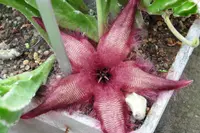
Stapelia gettliffei is a small, clump-forming succulent from arid regions of southern Africa. It grows from upright, four-angled, leafless stems that resemble cacti but belong to the milkweed family.
The plant is best known for its large, star-shaped flowers, often patterned and sometimes malodorous, which attract carrion flies for pollination. These striking blooms make it a niche collector’s plant rather than a general houseplant.
Stapelia gettliffei prefers bright light, warm temperatures, and very free-draining soil, and it is sensitive to overwatering. With proper attention to watering and light, it is relatively straightforward to care for Stapelia gettliffei indoors or in a greenhouse.

Care Difficulty
Moderate Care

Light Preference
Partial Sun

Water Requirements
Low Water

Temperature Preference
Tropical / Frost Sensitive

Hardiness Zone
10–11

Soil Texture
Sandy, Loamy, Rocky

Soil pH
Slightly acidic (6.5–7.0), Neutral (7.0)

Soil Drainage
Well-drained

Fertilization
Minimal (feed rarely)
Scan your plant to receive care tips personalized for your specific plant
Available on iOS and Android
This succulent prefers bright, indirect light with some direct sun but needs protection from harsh exposure.
Watering should mimic an arid climate with brief soakings and thorough drying between them.
This species prefers warm, dry conditions and has low tolerance for cold and frost.
This species prefers relatively dry air and usually thrives in typical indoor humidity.
This succulent needs a very fast-draining, airy mix that dries quickly after watering.
This species is well suited to container culture due to its shallow, spreading root system and compact growth.
This slow-growing succulent needs modest feeding to support flowering without causing soft, weak growth.
Pruning is minimal but helps keep this succulent compact, healthy, and flowering well.
This succulent prefers slightly tight conditions, so repotting is infrequent and should be done with care to avoid root damage.
Propagation is commonly done from stem cuttings, which root well under warm, dry, bright conditions.
Cold-sensitive and not frost hardy, this succulent needs indoor or protected conditions in winter in most climates.

Plant Health Check
Not sure what's wrong with your plant? Check your plant's health inside the app.
This species has leaves reduced to tiny, short-lived teeth along the stem ribs, a xerophytic adaptation that minimizes water loss in its arid native habitat in southern Africa.
Its thick, 4-angled to slightly winged stems form dense clumps and can blush reddish or purplish under strong light, a response to high solar radiation that helps protect tissues from damage.
The large, star-shaped flowers produce a carrion-like scent and textured, mottled surfaces that mimic decomposing organic matter, specifically attracting carrion flies that act as primary pollinators.

The inner flower surface of this species often bears dense, upright hairs that create both a visual and tactile illusion of decaying fur or flesh, further enhancing the deception for carrion-seeking flies and increasing the chance of successful pollination.
Lack of flowers usually comes from insufficient light, cool temperatures, or excess nitrogen fertilizer. This species needs strong light, warm conditions, and a brief dry, slightly cooler rest period to initiate buds and maintain regular flowering.
Keep your plants happy and healthy with plant identification, disease detection, and easy care guidance.

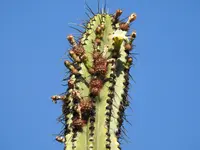
Stenocereus martinezii
Stenocereus martinezii
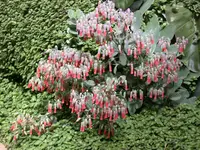
Kalanchoe laxiflora
Kalanchoe laxiflora
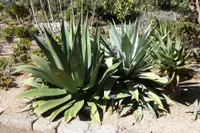
Pulque agave
Agave salmiana
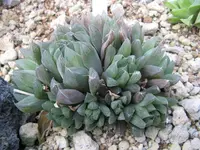
Haworthia cooperi var. pilifera
Haworthia cooperi var. pilifera
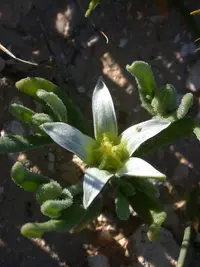
Spanish Aizoon
Aizoanthemopsis hispanica
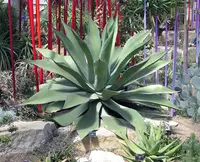
Butterfly agave
Agave potatorum
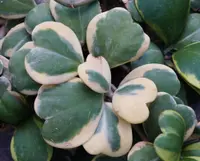 POPULAR
Hoya Hearts
Hoya kerrii
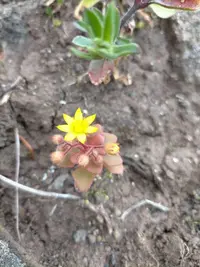
Aichryson parlatorei
Aichryson parlatorei