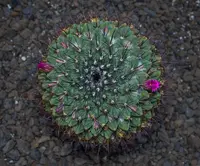
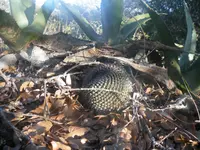
Euphorbia pterococca Care

Euphorbia pterococca

About Euphorbia pterococca

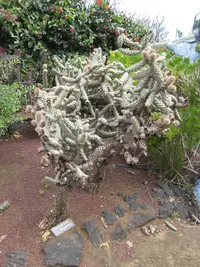
Euphorbia pterococca is a perennial spurge with a shrubby, branching habit and narrow leaves, typically forming loose clumps rather than a single central stem. Like many Euphorbia species, it produces milky latex sap and small, often inconspicuous flowers.

This species is native to parts of Africa, where it grows in relatively dry, open habitats, which helps explain its tolerance of heat and brief dry periods. It is generally not a beginner plant but can be managed by intermediate growers who understand how to care for Euphorbia pterococca and respect its sap.

It usually prefers bright light, sharply drained soil, and careful watering that avoids prolonged wet conditions around the roots.

Main Plant Requirements

Care Difficulty

Moderate Care

Light Preference

Partial Sun

Water Requirements

Moderate Water

Temperature Preference

Warm Climate

Hardiness Zone

Unknown

Soil Texture

Sandy, Loamy, Rocky

Soil pH

Slightly acidic (6.5–7.0), Neutral (7.0)

Soil Drainage

Well-drained

Fertilization

Minimal (feed rarely)

Get Personalized Care Plan

Scan your plant to receive care tips personalized for your specific plant

Available on iOS and Android

How to Care for the Euphorbia pterococca

This drought-tolerant species prefers bright, open exposure but benefits from some protection at the hottest times of day.

  • Aim for 6–8 hours of direct sun, ideally with strong morning sun and light afternoon shade in hot, dry regions.
  • Tolerates partial shade (4–5 hours sun), though stems may elongate and flowering can decrease under lower light.
  • In summer, monitor for leaf scorch or bleaching in full afternoon sun; in winter, ensure an unshaded position to maximize shorter daylight hours.

Watering should mimic a dry, seasonal climate with thorough soakings followed by clear drying of the soil.

  • Allow the top 3–5 cm of soil to dry fully before watering; in sandy, fast-draining soil this often means longer intervals between waterings.
  • During warm active growth, water deeply, then let excess drain away; in cool or dormant periods, reduce watering to prevent root rot.
  • Watch for yellowing, soft stems or a sour smell as signs of overwatering, and shriveling or limp new growth as signs that Euphorbia pterococca is too dry.

This species prefers warm, dry conditions and is sensitive to prolonged cold and frost.

  • Optimal growth occurs around 65–80°F (18–27°C), with steady warmth supporting stronger stems and more reliable flowering.
  • Protect from temperatures below 40°F (4°C); brief light chills may be tolerated but hard frost can damage stems and roots.
  • In hot weather above 90°F (32°C), provide some afternoon shade and avoid heat-reflecting surfaces that can overheat roots and lower tissues.

This species handles typical indoor humidity well and rarely needs special humidity management.

  • Aim for 30–50% humidity; dry household air is usually acceptable for Euphorbia pterococca if watering is appropriate.
  • Watch for shriveling stems and soft, collapsing tissue, which signal moisture or root issues rather than low humidity.
  • Improve air movement rather than humidity itself, using a small fan to reduce lingering surface moisture and rot risk.

This plant needs very fast-draining, mineral-rich soil to prevent root and stem rot.

  • Use a gritty, sandy mix such as 50% cactus/succulent mix with 50% coarse materials like pumice, perlite, or coarse sand for strong drainage.
  • Keep structure open and airy; avoid heavy loam, dense compost, or any mix that stays wet longer than 2–3 days after watering.
  • Aim for slightly acidic to neutral pH, around 6.0–7.0, which suits most commercial cactus substrates used for Euphorbia pterococca.
  • To improve aeration, incorporate chunky additives such as 3–6 mm pumice or gravel that create stable air pockets around the roots.

This species is suitable for container growing when the pot is chosen to keep roots dry and stable.

  • Select a wide, shallow pot if the plant is spreading, to support side shoots without making the container top-heavy.
  • Use unglazed terracotta if extra evaporation is needed, especially in cooler or dimmer locations where the mix dries slowly.
  • Place the container on pot feet or a mesh stand so water can drain freely and not pool under the base after watering.

This species is adapted to low-fertility soils and usually needs only light feeding in cultivation.

  • Apply a balanced, low-strength liquid fertilizer (around 10-10-10 NPK diluted to 25–50% label rate) once in late spring if growth appears weak.
  • Use a thin layer of well-rotted compost as a soil conditioner rather than a heavy nutrient source.
  • Avoid feeding in late fall and winter, when Euphorbia pterococca is semi-dormant and nutrient demand drops.
  • Do not apply fertilizer to drought-stressed plants; water first, then feed lightly once the soil has rehydrated.

Pruning is mainly corrective and sanitary, helping maintain a stable framework without stimulating excessive soft growth.

  • Best time for pruning is late winter to early spring, before strong new growth begins.
  • Remove dead, damaged, crossing, or badly crowded stems at the base with clean, sharp bypass pruners.
  • Light thinning improves air flow and light penetration, supporting sturdier structure rather than dense, weak growth.
  • Wear gloves and eye protection, as the milky sap can irritate skin and eyes when stems are cut.

This plant is usually grown in the ground; transplanting is infrequent and should be done carefully to limit root disturbance.

  • Plan transplanting or container up-potting for early spring, just as new growth starts and temperatures rise.
  • Look for signs such as roots circling the pot, water running straight through, or noticeably slowed growth before moving a container plant.
  • Shift to a container only 1–2 in wider, using a free-draining, gritty mix to reduce waterlogging and root stress.
  • Handle the root ball gently, keep it intact, water thoroughly after planting, and shade from strong sun for 7–10 days while roots re-establish.

Propagation is possible but slower than many ornamentals, so it is usually done in controlled conditions rather than in the landscape.

  • Stem cuttings taken in late spring to early summer root best; allow cut surfaces to dry and callus for 1–2 days.
  • Wear gloves, as the latex sap is irritant, and rinse cut surfaces briefly in cool water to reduce exudation.
  • Insert callused cuttings into a sharply draining, mostly mineral medium, kept barely moist at 70–80°F with bright, indirect light.
  • Seed propagation is slower; sow fresh seed in a gritty mix, maintain mild warmth, and avoid overwatering during germination.

Mature plants are moderately cold tolerant in many mild to cool climates and often need only basic site care in winter.

  • In regions with prolonged freezes below the plant’s hardiness range, add a 5–8 cm mulch layer around the root zone, keeping it off stems.
  • Avoid waterlogged soils in winter, as cold, saturated conditions increase root rot risk.
  • Container-grown plants in colder zones can be moved into a cool, bright, frost-free space until temperatures stabilize.

Care Tips

Safe handling routine

Wear gloves and long sleeves when repotting or pruning, and keep paper towels and water ready so you can immediately blot and rinse off any milky sap from skin or tools to reduce irritation risk.

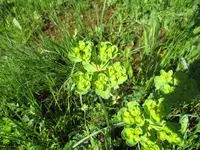
Controlled branching

Pinch or cut very young, soft shoot tips in late spring to encourage a shorter, more branched plant, always allowing cuts to dry and callus in bright, dry air before any overhead watering.

Targeted pest checks

Inspect stem joints and the undersides of new growth every 1–2 weeks for mealybugs and scale, and if found, spot-treat with cotton swabs dipped in 70% isopropyl alcohol before infestations spread along the ribbed stems.

Stability and support

In windy or high-traffic spots, anchor the root zone with a heavier clay pot and add discreet stakes or a low ring support so tall stems stay upright and are less likely to snap at the base.

Seasonal stress management

If the plant is moved outdoors for summer, harden it off over 10–14 days in bright shade and shelter from heavy rain, then reverse the process in fall to limit shock when caring for Euphorbia pterococca across seasons.

Common Pests and Diseases

Spider mites

This pest thrives on euphorbia stems and undersides of leaves in warm, dry conditions, causing pale stippling and fine webbing. Symptoms include dull, dusty-looking surfaces and progressive yellowing or drop of affected foliage.

Solution

Rinse stems thoroughly with a firm stream of water, then wipe to remove webbing and mites. Increase humidity slightly around the plant without wetting the soil excessively, and use a horticultural soap or dilute neem oil spray on all plant surfaces every 5–7 days until no new damage appears; isolate the plant from others during treatment.

Mealybugs

These insects hide in stem joints and along ribs, appearing as white cottony clumps that suck sap and excrete sticky honeydew. Symptoms include distorted new growth, slow decline, and sometimes sooty mold growing on the honeydew.

Solution

Dab visible clusters with cotton swabs dipped in isopropyl alcohol (70%) to dissolve the waxy coating, then wipe clean. For broader infestations, apply an insecticidal soap or neem oil spray to all plant surfaces, repeat several times over 2–3 weeks, and keep the plant isolated and monitored closely as part of overall Euphorbia pterococca care instructions.

Aphids

These insects gather on tender new shoots and flower stems, sucking sap and causing curling, distortion, and sticky honeydew. This pest can attract ants and promote black sooty mold on affected areas.

Solution

Prune off heavily infested tips, then wash remaining stems with a gentle but thorough stream of water. Follow with insecticidal soap or a dilute neem oil spray on new and existing growth at 5–7 day intervals until no live aphids remain, checking hidden areas where colonies may reform.

Fungal stem canker

This disease develops on wounded or overwatered plants, creating sunken, dark lesions on stems that may ooze and eventually girdle the stem. Symptoms include localized softening, discoloration, and collapse above the affected area.

Solution

Cut out affected stem sections well into healthy tissue using a sterile knife, and discard all infected material in the trash. Allow cuts to dry and callus in warm, bright, airy conditions, reduce watering, and avoid splashing water onto stems; remove any severely affected plant entirely to protect nearby plants.

Powdery mildew

This disease appears as a white, powdery coating on green surfaces, especially when air is stagnant and humidity is high around the plant. Symptoms include dull, mottled patches that can lead to yellowing and premature leaf or bract drop.

Solution

Improve air circulation and avoid crowding plants, then gently wipe or rinse affected areas to remove surface growth. If symptoms persist, apply a sulfur-based or potassium bicarbonate fungicide labeled for ornamentals, ensuring good coverage of all green surfaces, and keep foliage dry during watering to prevent recurrence.

Interesting Facts

Madagascar dry-forest native

This species is native to dry forests and thickets of Madagascar, where it grows in rocky or sandy soils with strong seasonal drought, shaping its growth form and water-storage strategies.

Winged fruit structure

The specific epithet pterococca refers to its winged fruits (from Greek pteron, wing, and kokkos, seed), which have lateral extensions that may assist short-distance dispersal by wind or movement across the soil surface.

Milky defensive latex

Like many members of Euphorbia, it produces a white, latex-like sap that deters most herbivores and can cause skin and eye irritation due to its complex mixture of diterpenes and other defensive compounds.

FAQs about Euphorbia pterococca

This species contains a milky latex sap that is irritating or toxic if ingested and can cause skin and eye irritation. Keep it away from pets and children, wear gloves when pruning, and avoid contact with broken skin.

Grow Healthy Plants with Botan Care

Keep your plants happy and healthy with plant identification, disease detection, and easy care guidance.

Botan plant care app — identify plants on mobile

Explore More Plants