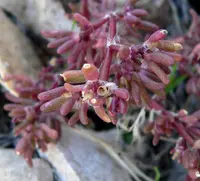
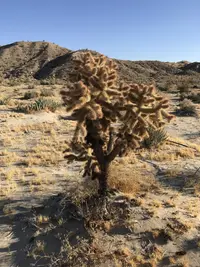
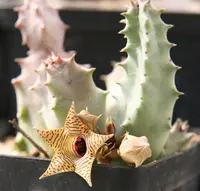
Northern Noors Care (Euphorbia schinzii)

Also known as: Barberton Milkweed
Northern Noors

About Northern Noors

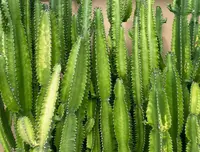
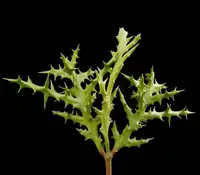
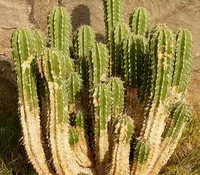
Northern Noors (Euphorbia schinzii) is a small succulent shrub from arid parts of southern Africa. It forms low, spiny clumps with slender, jointed stems and tiny leaves that appear briefly after rain. Over time, the plant develops a sculptural, almost miniature-shrub silhouette that suits windowsills and compact indoor displays. In its native habitat it endures strong light, rocky soils, and long dry periods, which shapes its drought-tolerant character. These traits make it relatively forgiving for growers who avoid overwatering and provide fast-draining soil. Those looking to learn how to care for Northern Noors mainly need to match its bright, dry, and airy natural conditions.

Main Plant Requirements

Care Difficulty

Moderate Care

Light Preference

Full Sun

Water Requirements

Low Water

Temperature Preference

Tropical / Frost Sensitive

Hardiness Zone

10–12

Soil Texture

Sandy, Loamy, Rocky

Soil pH

Slightly acidic (6.5–7.0), Neutral (7.0)

Soil Drainage

Well-drained

Fertilization

Minimal (feed rarely)

Get Personalized Care Plan

Scan your plant to receive care tips personalized for your specific plant

Available on iOS and Android

How to Care for the Northern Noors

This succulent prefers bright, direct light similar to its native arid habitat.

  • Provide 6–8 hours of sun daily; full sun is ideal, with strong morning and midday light for compact, sturdy growth.
  • In very hot climates, give Euphorbia schinzii light afternoon shade to reduce scorch risk, especially in dark pots or reflected heat spots.
  • If stems stretch, lean, or lose color, the plant is not getting enough light; in winter, move Northern Noors to the sunniest available position.

Watering should mimic dry desert conditions with brief, deep soakings and long dry intervals.

  • Allow the top 3–5 cm of soil to dry completely before watering; in active growth, this may mean watering every 10–21 days depending on heat and wind.
  • Use very free-draining, gritty soil; water thoroughly, then let excess drain away so roots are never left in standing water.
  • In cool seasons, reduce watering sharply; soft, yellowing, or blackened stems suggest overwatering, while severe shriveling indicates extended drought stress for Euphorbia schinzii.

This species thrives in warm, dry conditions and dislikes cold, damp weather.

  • Aim for 70–90°F (21–32°C) during active growth to support healthy stem and root development.
  • Protect from temperatures below 40°F (4°C); brief dips slightly above freezing may be survived but can cause tissue damage and rot.
  • In heat waves above 100°F (38°C), increase airflow and provide light shade to prevent sunburn, especially for plants in dark containers or near walls.

This drought-adapted succulent tolerates typical indoor humidity well and rarely needs adjustment.

  • Target 30–50% relative humidity, similar to most heated or air-conditioned homes.
  • Dry air is usually acceptable; shriveling stems or soft, collapsing tissue suggest watering or root issues rather than humidity stress.
  • If air is extremely dry from heating, group pots together on a wide, dry pebble tray instead of misting when caring for Northern Noors.

This species needs a very fast-draining, mineral-rich mix that mimics rocky desert soil.

  • Use a gritty blend such as 50–60% inorganic material (pumice, coarse perlite, or 3–5 mm gravel) with 40–50% cactus potting mix.
  • Aim for slightly acidic to neutral pH, around 6.0–7.0, which most commercial cactus mixes already provide.
  • Increase aeration by avoiding fine peat-heavy mixes that stay wet; add extra pumice or coarse sand until water drains through in seconds.
  • Avoid compacted, clay-based, or moisture-retentive garden soil, which promotes root rot in Euphorbia schinzii.

This compact succulent is well suited to container growing, indoors or outdoors in mild climates.

  • Choose a wide, shallow pot that matches the plant’s spreading root system, so the mix dries evenly between waterings.
  • Prefer unglazed terracotta over plastic when extra evaporation is needed, as it reduces the risk of waterlogging in dense clusters.
  • Use a pot heavy enough to prevent tipping if stems lean or branch outward, especially in windy or high-traffic outdoor spots.

Euphorbia schinzii is a light feeder that benefits from modest nutrition during its active growing season.

  • Use a balanced liquid fertilizer (around 10-10-10) diluted to 25–50% strength for Euphorbia schinzii care instructions.
  • Feed every 4–6 weeks in spring and summer only, when growth is active.
  • Stop feeding in fall and winter to respect the plant’s natural rest period.
  • Avoid compost-rich or heavy organic mixes that stay wet; use a lean, fast-draining cactus or succulent soil instead.

Euphorbia schinzii needs only light, targeted pruning to maintain a compact, healthy form.

  • Best time for pruning is late spring to early summer, after strong frosts have passed.
  • Remove dead, shriveled, or damaged stems with clean, sharp scissors or pruning snips.
  • Thin out crowded stems to improve air flow and keep the clump shape balanced.
  • Avoid heavy cutting; shape gradually to reduce stress and maintain natural growth character.

This species grows slowly and prefers infrequent disturbance, so repot only when clearly necessary.

  • Look for roots circling the pot, pushing through drainage holes, or noticeably slow growth as signs it needs a larger container.
  • Plan to repot every 3–4 years in late spring, using a shallow pot with excellent drainage.
  • Lift the plant gently, loosen circling roots lightly, and remove only a small amount of old soil to limit shock.
  • Replant in fresh cactus mix, keep slightly dry for 5–7 days, then resume light watering once any root damage has sealed.

Propagation of Euphorbia schinzii is usually done by stem cuttings under warm, dry conditions.

  • Take short stem cuttings in late spring or early summer, using a sterile, sharp blade.
  • Allow cuttings to dry and callus for several days so the milky sap seals before planting.
  • Insert callused cuttings into barely moist, gritty cactus mix and keep in bright, indirect light.
  • Maintain warmth (70–80°F) and low to moderate moisture until roots form, then transition gradually to normal care.

This plant is not reliably frost hardy and benefits from protected, cool-dry winter conditions.

  • Move container plants indoors or into a frost-free greenhouse before temperatures drop below 40°F.
  • Keep soil almost dry in winter; excess moisture in cold conditions increases rot risk.
  • Provide bright light and good air flow, but avoid cold drafts near windows.
  • In mild climates, outdoor plants need a very well-drained site and gravel mulch to keep the crown dry.

Care Tips

Safe handling prep

Before working on this plant, put on nitrile gloves and keep paper towels and water nearby so you can immediately blot and rinse away the white sap if stems are nicked during repotting or shaping.

Targeted stem pruning

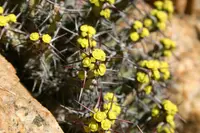
Remove only the oldest, bare, or badly tangled stems at the base every 1–2 years using sterilized, sharp pruners to maintain a compact, sculptural form and to encourage new side branching.

Controlled clump division

When the plant has filled its pot, gently lever up the root mass with a dull knife and separate natural clumps by hand, keeping several stems and a solid root section together in each division to reduce stress and rot risk.

Winter rest adjustment

In regions with cool, bright winters, place the plant in the sunniest indoor spot and stop all fertilizer so it can enter a light rest period that supports better flowering and stem growth in the next warm season.

Pest scouting routine

Inspect the stem joints and lower parts of the plant every 2–3 weeks for mealybugs or spider mites and, at the first sign, isolate the plant and treat with a labeled systemic or horticultural soap to protect long-term Euphorbia schinzii plant care.

Common Pests and Diseases

Mealybugs

This pest feeds on stem tissue and hides in crevices between the segmented branches, often appearing as white cottony clusters. Symptoms include sticky honeydew, distorted new growth, and slowed vigor.

Solution

Isolate the plant, then dab visible insects and cottony masses with cotton swabs dipped in 70% isopropyl alcohol, taking care to get into gaps between the segments. For larger infestations, wash the plant gently with lukewarm water and a drop of mild soap, then repeat alcohol spot-treatments weekly until no new mealybugs appear; ensure bright light and good air movement to support recovery and Northern Noors indoor care.

Spider mites

These insects thrive in warm, dry indoor air and can colonize the segmented stems, causing a dull, dusty appearance and fine webbing in tight branch junctions. Symptoms include faded or stippled tissue and slow growth.

Solution

Rinse the plant thoroughly under a gentle lukewarm shower, focusing on branch joints where mites hide, then let it dry in bright light. Increase humidity slightly around the plant, improve airflow, and repeat rinsing every few days until new growth appears clean; insecticidal soap or horticultural oil can be used as a targeted spray, avoiding direct sun until dry.

Scale insects

This pest appears as small, hard, brown or tan bumps attached firmly to stems, especially along younger segments. Symptoms include sticky residue, yellowing patches, and gradual weakening of the plant.

Solution

Manually scrape or pry off individual scale insects with a fingernail or soft tool, then wipe stems with a cloth lightly moistened with 70% isopropyl alcohol. Inspect joints and undersides regularly and repeat removal sessions weekly; for persistent cases, apply a light horticultural oil spray to thoroughly coat stems, keeping the plant out of strong sun for 24 hours after treatment.

Fungal stem canker

This disease can develop when wounds on the fleshy stems stay damp, forming sunken, dark, or corky lesions that may expand along a segment. Symptoms include localized shriveling, blackened tissue, and eventual collapse of affected sections.

Solution

Cut away diseased stem sections well into healthy, firm tissue with a sterile, sharp tool, then allow cut surfaces to dry and callus in a warm, airy, shaded place for several days. Reduce watering so the substrate dries well between waterings, keep moisture off the stems, and improve ventilation to limit further fungal spread; discard badly affected plants or segments rather than composting them.

Corking from stress

This physiological issue is common in older segments and under strong light or irregular watering, producing brown, woody, cork-like patches that can be mistaken for disease. Symptoms include firm, dry, barky areas on lower or older parts of the plant while new growth remains green and healthy.

Solution

No chemical treatment is needed; focus on providing stable conditions and correct Euphorbia schinzii plant care. Maintain bright light with some protection from sudden, intense midday sun, water only when the mix is fully dry, and avoid sudden changes in temperature or moisture so new growth develops with minimal additional corking.

Interesting Facts

Dwarf geophytic growth

This species is a dwarf geophyte, meaning most of its body is underground in a swollen caudex that stores water and nutrients, allowing it to survive long dry periods in its native arid habitats of Namibia and Angola.

Contractile, twisting stems

Its thin, jointed stems can contract and twist as they dry and rehydrate, an adaptation that reduces direct sun exposure and water loss while still allowing efficient photosynthesis when moisture is available.

Paired spine shields

Along the stems, the spine shields are arranged in distinctive opposing pairs, a structural pattern typical for certain succulent Euphorbia species but with a particularly tight and regular spacing in this taxon, helping protect young tissue from herbivores.

Botan icon

Did you know?

In habitat this species often spends much of the year almost invisible above ground, with only dry, wiry stems showing, and then rapidly produces fresh green growth and small yellow cyathia (highly reduced euphorbia flowers) after irregular desert rains, making it appear to “wake up” suddenly from dormancy.

FAQs about Northern Noors

Lack of flowering usually comes from insufficient light, cool temperatures, or heavy, nutrient-rich soil. This species blooms best when slightly stressed: bright conditions, lean gritty mix, and a pronounced dry rest period encourage bud formation and stronger displays.

Grow Healthy Plants with Botan Care

Keep your plants happy and healthy with plant identification, disease detection, and easy care guidance.

Botan plant care app — identify plants on mobile

Explore More Plants