silkcotton purslane Care (Portulaca halimoides)

Also known as: Desert Portulaca
silkcotton purslane

About silkcotton purslane

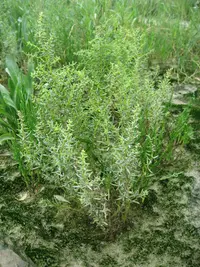
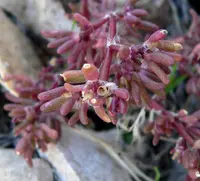
Silkcotton purslane (Portulaca halimoides) is a small, low-growing annual succulent often found in sandy or gravelly soils. It forms spreading mats with fleshy leaves and tiny yellowish flowers.

This species is native to arid and coastal regions of the Americas and commonly appears as a pioneer plant in disturbed or dry sites. Its drought tolerance and fast growth make it relatively easy to establish in suitable conditions.

It favors full sun, warmth, and sharply draining soil, which helps prevent root problems. These traits generally make it simple to care for silkcotton purslane in outdoor dry gardens or naturalistic landscapes.

Main Plant Requirements

Care Difficulty

Easy Care

Light Preference

Full Sun

Water Requirements

Low Water

Temperature Preference

Tropical / Frost Sensitive

Hardiness Zone

9–11

Soil Texture

Sandy, Loamy, Rocky

Soil pH

Slightly acidic (6.5–7.0), Neutral (7.0)

Soil Drainage

Well-drained

Fertilization

Minimal (feed rarely)

Get Personalized Care Plan

Scan your plant to receive care tips personalized for your specific plant

Available on iOS and Android

How to Care for the silkcotton purslane

This sun-loving annual thrives in bright, open conditions with strong direct light.

  • Provide 6–10 hours of direct sun daily; morning to mid-afternoon sun promotes compact growth and abundant flowers in silkcotton purslane.
  • Plant in an exposed site; it tolerates light partial shade, but flowering and foliage density decrease noticeably below about 4 hours of direct sun.
  • In very hot regions, intense late-afternoon sun can scorch young plants; use light afternoon shade in midsummer while avoiding deep shade that leads to weak, stretched stems.

This drought-tolerant succulent prefers infrequent, deep watering in fast-draining soil.

  • Allow the top 3–5 cm of soil to dry fully before watering; in sandy beds during hot weather, this may mean watering every 5–10 days, less often in cool periods.
  • Use sharply drained soil or raised beds so water does not pool; Portulaca halimoides is prone to root rot in compacted or waterlogged ground.
  • Watch the foliage: limp, wrinkling leaves and stalled growth suggest underwatering, while yellowing, mushy stems or algae on soil indicate excess moisture.

This warm-season annual performs best in consistently hot, dry conditions.

  • Aim for active growth in 70–95°F (21–35°C); flowering and branching are strongest once soils warm in late spring and early summer.
  • The plant tolerates brief spikes to 105°F (40°C) if soil drains well, but flowering may pause in extreme heat combined with high humidity.
  • Growth slows below 60°F (16°C), and plants are usually killed by frost near 32°F (0°C); sow or plant outdoors only after all danger of frost has passed.

Humidity is not a critical factor for Portulaca halimoides, which thrives in dry conditions typical of silkcotton purslane.

Portulaca halimoides prefers very lean, fast-draining, sandy soil that mimics arid, disturbed ground.

  • Use a mix of about 60–70% coarse sand or grit with 30–40% standard potting mix to keep the substrate open and fast draining.
  • Aim for slightly acidic to neutral pH around 6.0–7.0, which most general-purpose mixes already provide.
  • Improve drainage and aeration by adding perlite or small pumice pieces, especially in heavier commercial mixes.
  • Avoid compacted, clay-heavy, or constantly wet soils, which quickly cause root rot in this shallow-rooted species.

This species is well suited to container growing, especially in shallow, well-drained pots.

  • Choose a wide, shallow container to match its spreading, surface-rooting habit and prevent wasted depth that stays wet.
  • Select unglazed terracotta if extra evaporation is needed in wetter climates, as it helps keep the mix drier between waterings.
  • Raise the pot slightly on feet or bricks so drainage holes clear surfaces and runoff leaves the container quickly after rain or watering.

This drought-tolerant annual needs only light feeding, especially when grown in poor, sandy soil as silkcotton purslane often is.

  • Use a low-strength balanced liquid fertilizer (for example 10-10-10) at 1/4–1/2 label rate on actively growing plants.
  • Apply every 4–6 weeks during the warm growing season if growth or flowering seems weak.
  • Avoid rich compost or heavy slow-release products that can cause soft, leggy growth.
  • Stop feeding in late fall or when growth slows, as the plant naturally declines or goes dormant.

Portulaca halimoides benefits from simple, light pruning to keep plants compact and flowering well.

  • In mid to late summer, shear back sprawling stems by 1/3 to refresh growth and encourage more blooms.
  • Pinch or snip off dead, damaged, or dried stems using clean scissors or small pruners.
  • Thin out crowded stems to improve air movement and reduce the risk of rot after rain or heavy watering.
  • Deadhead spent flower clusters with a quick pinch if self-seeding is not desired.

This shallow-rooted annual is usually transplanted once into a final sunny position rather than frequently repotted.

  • Transplant seedlings outdoors after frost when they have 2–3 true leaves and soil has warmed.
  • Choose a small, shallow container with drainage or a well-drained garden bed; heavy soils reduce vigor.
  • Move plants only when root balls hold together; avoid disturbing roots to limit transplant shock.
  • Water lightly after transplanting, then let soil dry between waterings to encourage quick root establishment.

New plants are most often raised from seed, but Portulaca halimoides can also be multiplied from soft stem cuttings in warm conditions.

  • Sow seeds in late spring on the soil surface; they need light to germinate and warm temperatures around 70–80°F.
  • Keep the seed mix barely moist, not wet, until germination in 7–14 days.
  • For cuttings, take 5–8 cm non-flowering tips, let cut ends dry for a few hours, then insert into gritty, barely moist mix.
  • Provide bright light and good airflow; roots usually form quickly when conditions stay warm and dry.

This species is a warm-season annual that usually dies back with frost and requires minimal winter care.

  • In regions with frost, treat plants as seasonal and allow them to complete their life cycle.
  • Collect mature seeds in late summer or fall to resow next year instead of trying to overwinter plants.
  • Container specimens in mild climates can be moved under cover to extend flowering until temperatures drop near freezing.

Care Tips

Encourage Compact Growth

Pinch back the longest stems every 2–3 weeks during active growth to keep plants dense, reduce lodging, and stimulate new flowering shoots when growing silkcotton purslane.

Use Gravel Mulch

Apply a 0.5–1 in layer of coarse sand or fine gravel around the base to keep stems dry at soil contact, reduce rot, and stabilize the shallow root system in windy, exposed sites.

Optimize Container Depth

Choose wide, shallow containers (10–15 cm deep) with ample drainage holes, which match the plant’s fibrous, shallow root system and prevent water from accumulating around the crown.

Seasonal Re-sowing

Stagger sowing every 3–4 weeks in warm seasons so that as older plants become woody or sparse, younger plants take over and maintain a continuous display and groundcover.

Salt and Heat Placement

Site plants near sun-baked hardscape or in coastal-influenced areas where light salt spray and reflected heat can be tolerated, using this species in places that stress less adapted ornamentals.

Common Pests and Diseases

Aphids

This pest feeds on tender shoot tips and flower stalks, sucking sap and causing curling or distortion of new growth. Symptoms include sticky honeydew on stems that can attract sooty mold on dense mats of foliage.

Solution

Rinse colonies off with a strong stream of water, focusing on young growth and undersides of stems, and repeat every few days if needed. For heavier infestations, use an insecticidal soap or a neem oil spray in the early morning, ensuring full coverage of stems and buds while avoiding applications during high heat above 85°F.

Spider mites

These insects thrive in hot, very dry conditions and cause fine stippling, faded patches, and eventual bronzing on the small leaves. Symptoms include fine webbing between stems and a dusty appearance on foliage in severe cases.

Solution

Increase humidity around the plant slightly with occasional misting of the air (not constantly wetting foliage) and hose down the plant to physically remove mites and webbing. If populations persist, apply a horticultural oil or insecticidal soap to all plant surfaces, repeating every 5–7 days until new growth appears clean.

Fungal leaf spots

This disease appears during periods of prolonged humidity or overhead watering, causing small brown, gray, or dark purplish spots on leaves and sometimes on stems. Symptoms include yellowing and premature drop of affected foliage, especially in crowded plantings.

Solution

Remove and discard infected leaves and any dense, collapsing stems to improve airflow through the mat of growth, then switch to watering at soil level rather than overhead. In persistent wet conditions, a copper-based fungicide or broad-spectrum ornamental fungicide labeled for leaf spots can be applied preventively, following label directions and allowing foliage to dry between waterings.

Damping-off in seedlings

This disease affects young seedlings in propagation trays or freshly sown patches, causing stems to constrict at the soil line and collapse. Symptoms include healthy-looking seedlings suddenly falling over and dying in patches in overly wet media.

Solution

Use a very well-drained, sterile seed-starting mix and avoid overwatering, allowing the surface to dry slightly between light waterings. Improve air movement, thin crowded seedlings, and if damping-off has occurred, discard affected trays and start again with clean containers and fresh medium, optionally dusting the surface lightly with a fungicidal product labeled for damping-off.

Interesting Facts

Ephemeral desert annual

This species often completes its entire life cycle in just a few weeks after seasonal rains in arid and semi-arid regions, then persists only as a seed bank until the next favorable season.

Salt-tolerant specialist

It naturally occurs on saline and disturbed soils, showing notable halotolerance, which allows it to colonize sites where many less salt-tolerant herbs cannot survive.

Tiny water-storing leaves

Its small, fleshy leaves store water and reduce surface area, a combination that limits water loss and supports survival under intense sun and drought typical of its native habitats in the southwestern United States and northern Mexico.

FAQs about silkcotton purslane

This species is very attractive to small bees and other pollinating insects that visit the open flowers for nectar and pollen. Planting several together can increase pollinator activity in dry, sunny garden areas or rock gardens.

Grow Healthy Plants with Botan Care

Keep your plants happy and healthy with plant identification, disease detection, and easy care guidance.

Botan plant care app — identify plants on mobile

Explore More Plants