Allow Natural Reseeding
If you want a recurring patch, delay mowing or cultivation until 2–3 weeks after flowering so seed can mature and drop into the soil for next season’s growth.

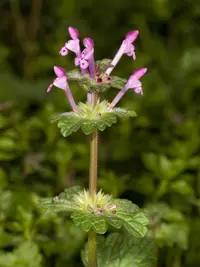
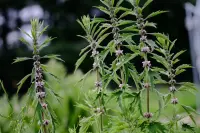
Henbit deadnettle, Lamium amplexicaule, is a low, spreading annual from the mint family that often appears in lawns, garden beds, and field margins. It forms soft, square stems with rounded, scalloped leaves and small pink to purple tubular flowers.
This species is native to Eurasia but is now common across much of North America as a naturalized wild plant. It germinates and grows quickly in cool seasons, which makes it resilient and easy to establish.
Henbit deadnettle tolerates poor soils and light shade, so it usually needs little care once established. Anyone learning how to care for henbit deadnettle mainly needs to manage its spread, since it can self-seed readily in open ground.

Care Difficulty
Easy Care

Light Preference
Partial Sun

Water Requirements
Moderate Water

Temperature Preference
Cold Hardy

Hardiness Zone
4–9

Soil Texture
Sandy, Loamy, Clay

Soil pH
Acidic (5.5–6.5), Slightly acidic (6.5–7.0)

Soil Drainage
Well-drained

Fertilization
Minimal (feed rarely)
Scan your plant to receive care tips personalized for your specific plant
Available on iOS and Android
This species grows best in cool, bright conditions with gentle direct sun and ample open sky light.
This plant prefers consistently moist, well-drained soil that never stays soggy for long periods.
This cool-season annual thrives in mild temperatures and tolerates a wide range of outdoor conditions.
This species is flexible about humidity and usually grows well in typical outdoor air conditions.
This annual prefers loose, moderately fertile soil with consistent drainage for steady growth.
This species can grow in containers as a seasonal groundcover or filler.
This wild annual usually thrives without added nutrients, so caring for henbit deadnettle focuses more on site choice than feeding.
Lamium amplexicaule benefits from light, timely pruning to manage spread and appearance in managed beds or lawns.
This species is usually managed by transplanting self-sown seedlings rather than routine container repotting.
Lamium amplexicaule spreads mainly by seed, but gardeners can manage and direct this natural propagation.
Lamium amplexicaule is cold hardy in most temperate climates and generally needs no special winter care outdoors.

Plant Health Check
Not sure what's wrong with your plant? Check your plant's health inside the app.
This species flowers very early in the year, often during late winter or early spring, and provides one of the first reliable nectar and pollen sources for bees and other pollinators when few other plants are in bloom.
Its square stems are hollow and the upper leaves clasp around the stem without stalks, a feature that helps distinguish it from similar deadnettles and from stinging nettle, which it superficially resembles but lacks stinging hairs.
The plant produces both open, insect-pollinated flowers and smaller, self-pollinating flowers that may stay closed, a mixed strategy that ensures seed production even when pollinators are scarce.

This species is native to Eurasia but has become a widespread archaeophyte in many temperate regions, meaning it spread alongside early agriculture and human settlement long before modern botanical records, often being associated with ancient field systems and disturbed soils.
This species self-seeds very freely and can form dense patches, especially in disturbed soil or thin lawns. Regular mowing, mulching bare soil, and removing plants before seed set help prevent it from spreading aggressively.
Keep your plants happy and healthy with plant identification, disease detection, and easy care guidance.