Glove-safe handling
Always wear nitrile or latex gloves and long sleeves when cutting or repotting, and keep paper towels ready to blot the white sap immediately so it does not contact skin, eyes, pets, or nearby plant tissue.

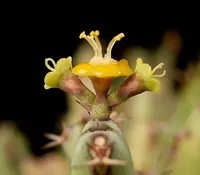
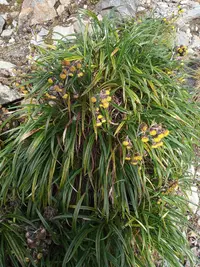
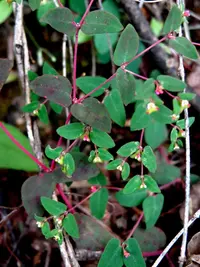
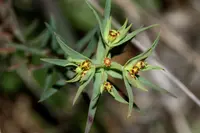
Euphorbia septentrionalis is a small, spurge-type succulent known for its upright, often branching stems and sparse, narrow leaves. It forms a modest clump rather than a dense bush. The plant is native to parts of northern regions within the Eurasian range of Euphorbia, typically found in open, dry habitats. Its structure reflects adaptation to seasonal drought and strong light. This species stays relatively compact, which makes it of interest for containers and rock gardens. Growth is usually steady but not fast, so it suits growers who prefer low-maintenance plants. For those learning how to care for Euphorbia septentrionalis, it generally prefers bright light, well-drained mineral soil, and careful watering that avoids staying wet for long periods.

Care Difficulty
Moderate Care

Light Preference
Partial Sun

Water Requirements
Low Water

Temperature Preference
Warm Climate

Hardiness Zone
Unknown

Soil Texture
Sandy, Loamy, Rocky

Soil pH
Slightly acidic (6.5–7.0), Neutral (7.0)

Soil Drainage
Well-drained

Fertilization
Minimal (feed rarely)
Scan your plant to receive care tips personalized for your specific plant
Available on iOS and Android
This species prefers bright, gentle light that avoids the harshest midday sun.
Watering should mimic a dry, well-drained habitat with clear dry-down between soakings.
Temperature should reflect a warm, dry climate with protection from frost and extreme heat spikes.
This species tolerates typical indoor humidity and rarely needs special adjustment.
This plant needs a sharply draining, mineral-based mix that dries quickly between waterings.
This species is well suited to container culture when drainage and stability are managed carefully.
This species grows on poor, rocky soils and usually needs minimal feeding in gardens or containers.
Pruning for Euphorbia septentrionalis focuses on safety, tidiness, and maintaining a compact outline.
This plant is usually slow growing and prefers being slightly root-bound, so repotting is infrequent.
Propagation of this euphorbia is usually done from cuttings rather than seed for practical home culture.
This species has moderate cold tolerance in well-drained soil but still benefits from basic winter care in colder regions.

Plant Health Check
Not sure what's wrong with your plant? Check your plant's health inside the app.
Euphorbia septentrionalis is naturally restricted to cool, maritime climates in northern Europe, where it typically grows on coastal cliffs, rocky slopes, and other wind‑exposed habitats with sharply drained soil.
This species tolerates salt spray and strong, persistent winds by maintaining a low, compact growth form and thickened succulent tissues that limit water loss and mechanical damage near the shore.
Like other members of its genus, it does not produce true petals; instead, it forms cyathia, a specialized cup‑shaped inflorescence where reduced flowers, nectar glands, and showy bracts together function to attract pollinators.
This species generally performs better outdoors in mild, well-drained sites with plenty of light and air movement. Indoors it is harder to provide enough light and stable conditions, so growth is usually slower and less compact.
Keep your plants happy and healthy with plant identification, disease detection, and easy care guidance.