Rootzone containment
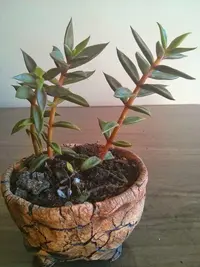
Grow this plant in a heavy, relatively narrow pot and top-dress with coarse gravel or small stones to stabilize the root zone and keep the stem base dry, which reduces rot and mechanical tipping.

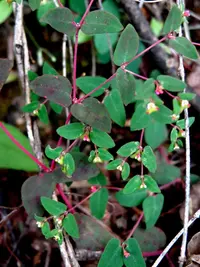
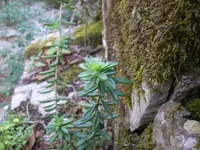
Hairy sandmat (Euphorbia villifera) is a small, sun-loving perennial from arid and semi-arid regions, where it often grows in sandy or rocky soils. It forms low, spreading clumps with fine stems and small leaves that can create a subtle groundcover effect.
This species is adapted to strong light, heat, and periodic dryness, which makes it relatively undemanding when provided with sharp drainage. Its milky sap and drought tolerance are key traits that influence how to care for Hairy Sandmat.
In cultivation, it suits rock gardens, dry borders, or naturalistic plantings that mimic its native open, dry habitats, as long as water does not sit around the roots.

Care Difficulty
Moderate Care

Light Preference
Full Sun

Water Requirements
Low Water

Temperature Preference
Warm Climate

Hardiness Zone
9–11

Soil Texture
Sandy, Loamy, Rocky

Soil pH
Slightly acidic (6.5–7.0), Neutral (7.0)

Soil Drainage
Well-drained

Fertilization
Minimal (feed rarely)
Scan your plant to receive care tips personalized for your specific plant
Available on iOS and Android
This sun-loving succulent thrives in bright, open conditions with protection from harsh extremes.
This species prefers deep but infrequent watering that mimics dry, arid conditions.
This drought-adapted plant prefers warm conditions and is sensitive to frost and prolonged cold.
This drought-adapted species tolerates dry indoor air, so humidity is rarely a limiting factor for Hairy Sandmat.
This succulent shrub needs very fast-draining, mineral soil to prevent root rot and stem collapse.
This species is suitable for container growing when the pot and substrate control excess moisture effectively.
This drought-adapted species needs very modest feeding, and overfertilizing Hairy Sandmat can cause weak, lush growth.
Pruning Euphorbia villifera is mainly done to keep a clean structure and remove problem growth.
This plant dislikes frequent disturbance, so repotting or transplanting should be infrequent and deliberate.
Propagation of Euphorbia villifera is possible but requires care due to its sap and need for sharp drainage.
This species is not strongly frost hardy and benefits from basic winter protection in cooler climates.

Plant Health Check
Not sure what's wrong with your plant? Check your plant's health inside the app.
This species is native to arid and semi-arid regions of central and southern Mexico, where it grows in dry scrub, rocky slopes, and open woodland margins on well-drained, often calcareous soils.
Its small cup-like inflorescences, called cyathia, are surrounded by fine hairs on the bracts and floral structures, a feature reflected in the name villifera, which means bearing hairs.
Like many spurges, it produces a white, milky latex that acts as a chemical defense against herbivores and can be irritating to skin and mucous membranes when handled without protection.
Lack of flowering often relates to stress from recent transplanting, nutrient-poor or overly rich soil, or irregular care. Stabilize conditions, avoid heavy nitrogen feeding, and allow a full growing season before expecting reliable blooms.
Keep your plants happy and healthy with plant identification, disease detection, and easy care guidance.