



African Milk Tree (Euphorbia trigona) Watering Guide

This page explains when, how often, and how much to water Euphorbia trigona in straightforward, practical terms.

Water Requirements

Low Water

Euphorbia trigona Watering

This drought-tolerant succulent prefers conditions that mimic its seasonally dry Central African habitat, with soil drying between waterings. Euphorbia trigona grown indoors usually needs gentler, less frequent watering than outdoor plants in strong heat.

In general, watering African Milk Tree is about brief moisture followed by a clear dry-out period. This section outlines how to water African Milk Tree so its roots stay healthy and growth remains steady.

Water when the top 1–2 inches (3–5 cm) of soil feel completely dry and the pot feels noticeably lighter. Euphorbia trigona typically needs water about every 2–4 weeks indoors, but bright light and warm temperatures shorten this interval, while lower light or cooler conditions extend it.

Water African Milk Tree when the top 2–3 inches of soil feel dry, giving a slow, deep soak that drains freely.

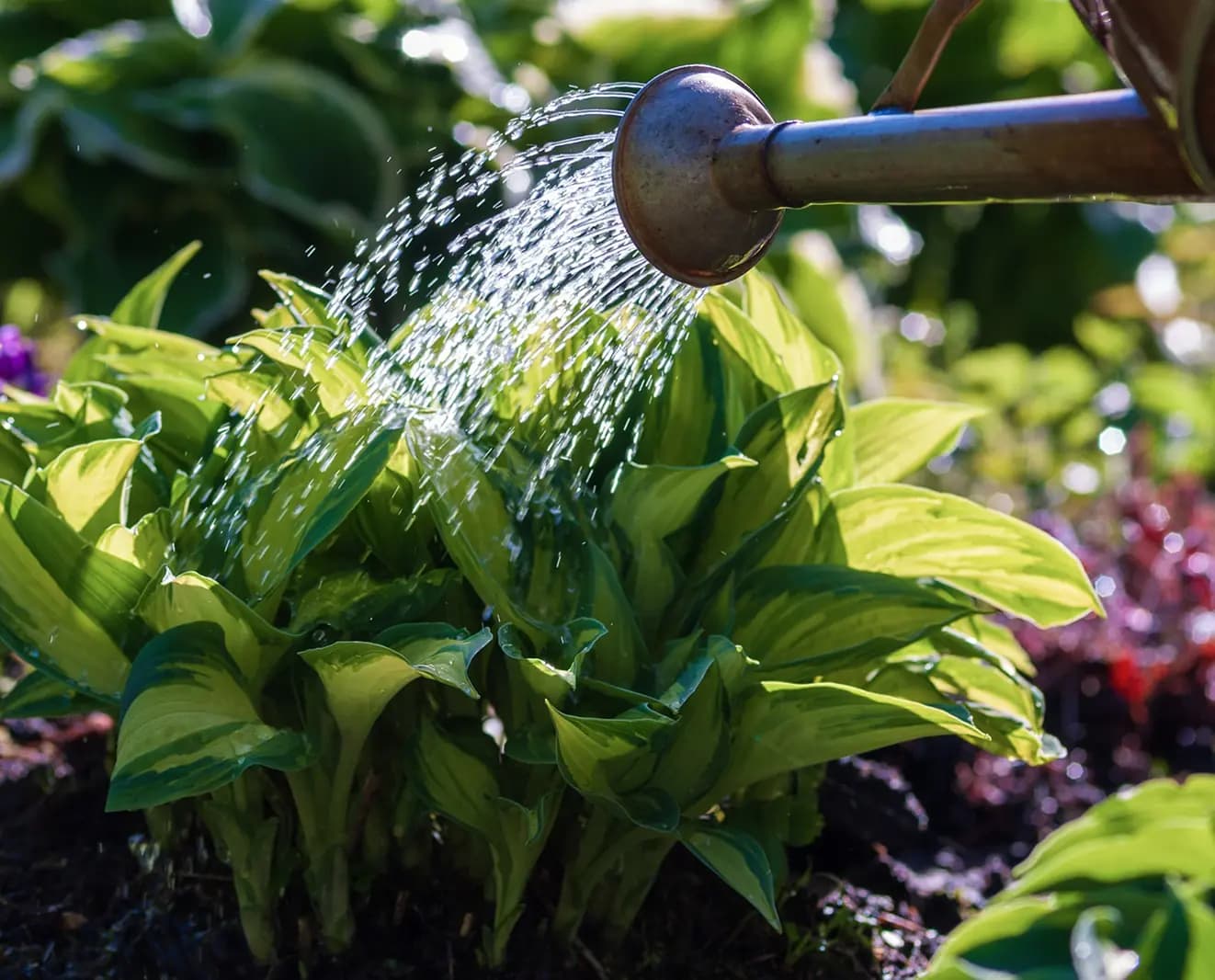
  • Pour room-temperature water directly onto the soil surface, circling the base so moisture spreads evenly through the potting mix.
  • Continue watering until liquid drains from the bottom, ensuring the entire root zone is thoroughly moistened without pooling inside the pot.
  • Empty saucers or decorative covers after a few minutes so the container does not sit in standing water.
  • Keep stems and any small side shoots dry, avoiding splashing on the plant when using a watering can or hose.

Incorrect moisture encourages stress and decline in Euphorbia trigona, especially indoors or in heavy soils.

Yellowing Lower Stems:

Base segments fade from green to pale yellow because roots stay wet in poorly draining soil.

Mushy Brown Roots:

Roots turn soft, dark, and foul-smelling when excess water excludes oxygen around them.

Shriveled Angled Stems:

Ribs wrinkle and thin due to chronically dry mix or infrequent deep watering cycles.

Sudden Stem Collapse:

Previously firm sections fold or break after hidden rot weakens tissues at the soil line.

Keep roots in fast-draining mix, watering deeply but infrequently, then allowing thorough partial drying between soakings.

Poor watering habits can stress African Milk Tree, making this drought-tolerant Euphorbia trigona weaker and more vulnerable over time.

  • Watering by calendar: Following a strict schedule ignores changing light and temperature; instead, water only when the top soil layer feels completely dry.
  • Dense, moisture-holding soil: Using peat-heavy mixes keeps roots wet too long; choose a gritty cactus soil or add extra perlite for faster drainage.
  • No drainage or saucer puddles: Planting in pots without holes, or leaving runoff in saucers, keeps roots saturated; empty saucers and use draining containers.

Aim for a thorough soak, then a full dry-out in airy soil so Euphorbia trigona receives water without prolonged saturation.

  • Spring: Resume light watering once new segments swell and color brightens, letting the mix dry fully between modest drinks.
  • Summer: In bright, hot conditions, water slightly more often after deep drying, watching for wrinkling stems as a sign of thirst.
  • Fall: Gradually lengthen the dry periods as growth slows, keeping the soil mostly dry to prepare the plant for rest.
  • Winter: Provide very sparse water in cool, bright conditions, just enough to prevent shriveling, and avoid watering if the room is chilly.

Stop Guessing — Water Smarter with Botan

Use Botan for a clear Euphorbia trigona watering guide, step-by-step care reminders, and gentle photo-based issue checks to spot stress early and adjust your routine with confidence.

Botan plant care app — identify plants on mobile

FAQ

In warm, bright conditions, water about every 2–4 weeks, but only when the soil is completely dry. In winter or low light, reduce how often to water, sometimes to once every 4–6 weeks.

Everything About African Milk Tree

More Plant Watering Guides

Is Your Watering Routine Hurting Your African Milk Tree?

Botan reviews your watering routine so adjustments are easier and more confident.

Watering a plant with a copper watering can
When to Harvest Tomatillos: How to Tell When They're Ripe

4 min read · 20 Oct 2026

When to Harvest Tomatillos: How to Tell When They're Ripe

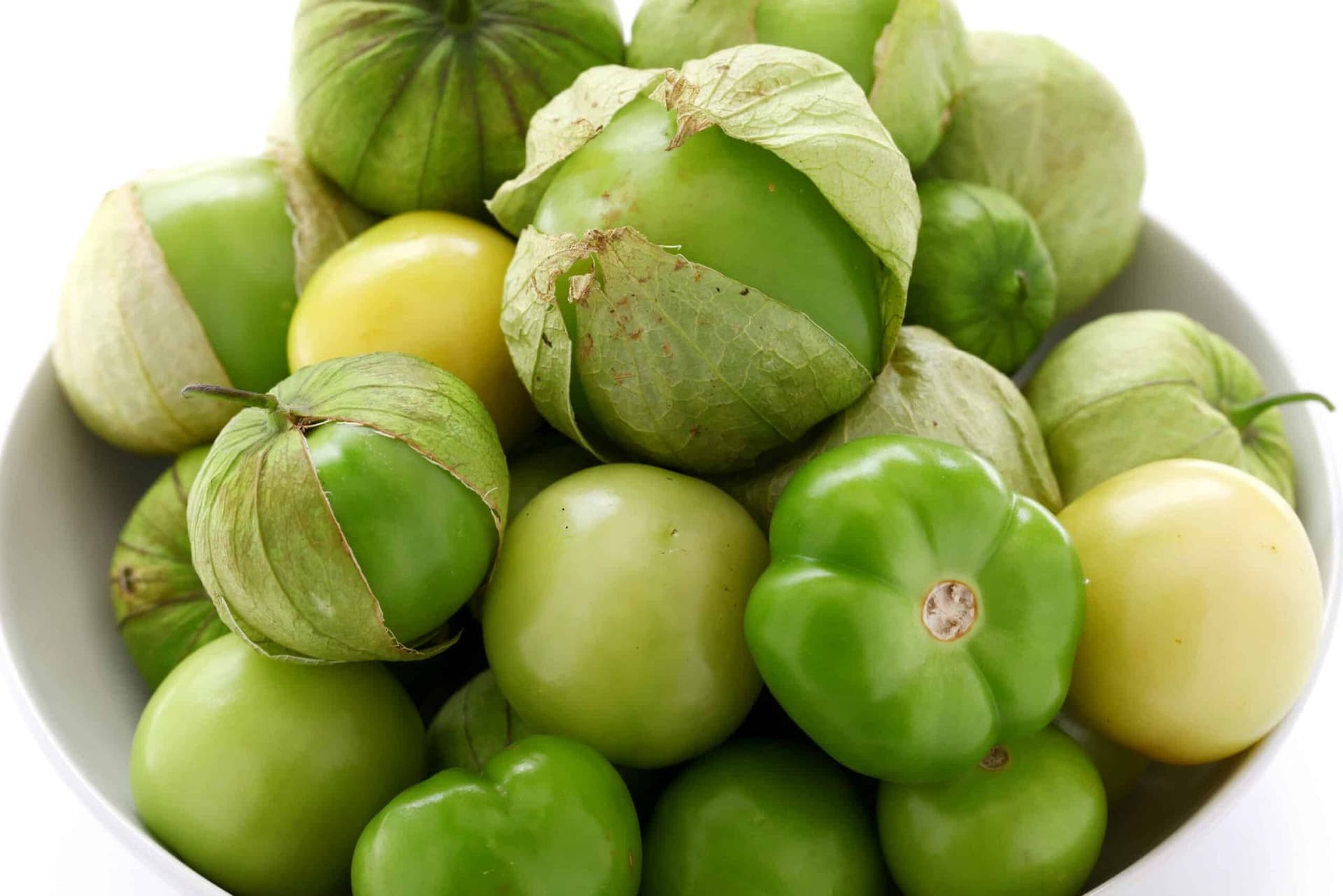
Tomatillos grow inside papery husks, making it hard to judge ripeness at a glance. This guide explains how to know when tomatillos are ripe and offers practical advice on harvesting and storage.

Plant Recommendations

When to Harvest Tomatillos: How to Tell When They're Ripe
12 Best Landscaping Trees for Your Garden

8 min read · 6 Oct 2026

12 Best Landscaping Trees for Your Garden

Choosing the landscape tree depends on what your garden needs most. These 12 options include compact flowering specimens, colorful deciduous trees, shade varieties, and evergreens suitable for screening and year-round structure.

Plant Recommendations
12 Best Landscaping Trees for Your Garden
Best Fertilizer for Grass in Summer: How to Choose the Right One

6 min read · 18 Aug 2026

Best Fertilizer for Grass in Summer: How to Choose the Right One

The right fertilizer in summer can make a lawn thrive. The wrong one can damage it. Here, you’ll learn the best NPK ratios by grass type, when and how to apply your formula, and how to recognize the signs of over- or under-fertilizing.

Plant Care
Best Fertilizer for Grass in Summer: How to Choose the Right One