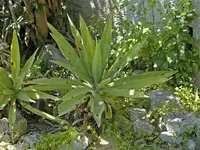
Euphorbia tuckeyana Care

Euphorbia tuckeyana

About Euphorbia tuckeyana

Euphorbia tuckeyana is a shrubby succulent spurge native to the Cape Verde islands off the West African coast. It forms upright, many-branched clumps with thick, green, segmented stems and small, sparse leaves. The plant produces modest yellowish inflorescences typical of the Euphorbia genus.

This species is adapted to rocky, dry habitats and shows good drought tolerance once established. It prefers strong light, excellent drainage, and infrequent but thorough watering, which makes it suitable for dry gardens and specialized collections. For anyone learning how to care for Euphorbia tuckeyana, its main challenges are avoiding overwatering and providing enough light in cooler or wetter climates.

Main Plant Requirements

Care Difficulty

Moderate Care

Light Preference

Full Sun

Water Requirements

Low Water

Temperature Preference

Warm Climate

Hardiness Zone

10–11

Soil Texture

Sandy, Rocky, Loamy

Soil pH

Slightly acidic (6.5–7.0), Neutral (7.0)

Soil Drainage

Well-drained

Fertilization

Minimal (feed rarely)

Get Personalized Care Plan

Scan your plant to receive care tips personalized for your specific plant

Available on iOS and Android

How to Care for the Euphorbia tuckeyana

This coastal euphorbia prefers bright, open conditions with protection from extreme midday sun.

  • Provide 6–8 hours of sun daily, ideally with direct morning sun and light afternoon shade, especially in hot, inland sites.
  • Tolerates light to moderate partial shade, but stems may elongate and color can fade if light drops below about 4 hours of sun.
  • In summer, strong afternoon sun can scorch young plants; use neighboring shrubs, rocks, or sheer shade cloth to filter the harshest light.

This drought-tolerant species needs infrequent but thorough watering once established.

  • Outdoors in well-drained soil, water deeply only when the top 3–5 cm are completely dry; in many climates this means waiting through dry spells rather than following a fixed schedule.
  • Reduce watering in cool seasons, as Euphorbia tuckeyana slows growth; roots sitting in cold, wet soil are prone to rot and fungal issues.
  • Watch for wrinkling or slight leaf wilt as a sign to water, and yellowing, mushy stems as warning of overwatering or poor drainage.

This plant is adapted to mild, oceanic climates with cool winters and warm, dry summers.

  • Best growth occurs around 65–80°F (18–27°C), where stems remain compact and foliage stays healthy.
  • Tolerates short drops to about 30–32°F (-1–0°C) but is not fully frost-hardy; repeated freezes damage young shoots and crowns.
  • Handles dry heat up to about 90°F (32°C) if soil is draining well, but prolonged hotter periods benefit from some afternoon shade and slightly increased watering.

This species is adapted to dry conditions and usually does not require special humidity management.

  • Target 30–50% relative humidity, which matches typical indoor air in heated or air-conditioned homes.
  • The plant tolerates drier air well; leaves or stems shriveling at the tips usually signal underwatering, not low humidity.
  • If air is extremely dry and hot, reduce stress by shading during peak sun and watering thoroughly but infrequently to support root function.

Euphorbia tuckeyana prefers mineral, fast-draining soil that mimics rocky, arid habitats.

  • Use a gritty mix such as 50% cactus potting mix with 50% coarse sand, pumice, or fine gravel for rapid drainage.
  • Aim for slightly alkaline to neutral pH around 7.0–7.8, avoiding strongly acidic blends rich in peat.
  • Increase aeration by incorporating large-grain mineral components (2–5 mm) rather than fine sand, which can compact over time.
  • Avoid heavy, compacted, or water-retentive soils, since persistent moisture around the roots quickly leads to rot.

This species can be grown successfully in containers when drainage and stability are managed carefully.

  • Choose a wide, low pot to lower the center of gravity and reduce the risk of the plant tipping in strong wind.
  • Select a mineral, fast-draining substrate in a pot with multiple drainage holes so water never pools at the base.
  • Use unglazed terracotta if extra evaporation is needed, or a heavier ceramic pot outdoors to keep the container stable in exposed sites.

This species is adapted to poor soils and usually needs only light feeding in cultivation.

  • Use a low-dose, balanced NPK fertilizer or very thin layer of compost for Euphorbia tuckeyana in spring if growth appears weak.
  • Apply at most 1–2 times during the active growing season; excess nutrients can cause soft, unstable growth.
  • Dilute liquid products to 1/4–1/2 strength and water the soil first to avoid root burn.
  • Do not feed in winter or obvious dormancy, when nutrient uptake and growth are minimal.

Pruning is mainly used to maintain safety, structure, and access around Euphorbia tuckeyana.

  • Carry out light pruning in late winter or early spring, before strong new growth begins.
  • Remove dead, diseased, crossing, or storm-damaged stems first to reduce infection risk and improve structure.
  • Thin congested interior branches carefully to increase airflow and light penetration without over-opening the canopy.
  • Use clean, sharp loppers or a pruning saw, and avoid heavy cuts that remove large portions of live crown at once.

This species is usually landscape-grown, so management focuses on careful transplanting rather than frequent repotting.

  • Transplant young plants in late winter or early spring when soil is workable and temperatures are mild.
  • Look for roots circling the pot, water draining very fast, or stalled top growth as signs container plants need more space.
  • Shift into only 1 pot size larger, using a very free-draining, gritty mix to limit waterlogging and root rot.
  • Water thoroughly after planting, then keep soil slightly moist but not saturated for several weeks to reduce transplant shock.

Propagation of Euphorbia tuckeyana is possible but usually carried out by specialists due to safety and conservation concerns.

  • Seed propagation is the most appropriate method; sow fresh seed in late winter to early spring in a sharply drained mix.
  • Maintain bright light, good airflow, and temperatures around 65–75°F to support germination and early seedling growth.
  • Handle latex sap cautiously if using cuttings; wear gloves and allow cut surfaces to dry and callus before planting.
  • Provide very moderate watering during establishment, keeping the substrate barely moist to avoid damping-off in seedlings.

Mature plants are relatively tolerant of mild coastal winters but still benefit from some winter attention in colder areas.

  • In regions with frost, apply a 5–8 cm layer of dry mulch around the root zone, keeping it away from the main stem.
  • For container plants, move pots to a bright, frost-free, sheltered spot before temperatures fall below freezing.
  • Avoid winter overwatering; keep soil on the dry side to reduce cold-related root damage and fungal problems.

Care Tips

Latex-safe handling

Wear gloves and long sleeves when cutting or repotting, and immediately rinse off any milky sap from skin or tools to avoid irritation and prevent sap from gumming up pruners.

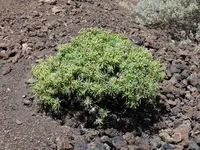
Rocky-root anchoring

Set the root ball among heavy rocks or gravel in windy or exposed sites so the plant anchors firmly and is less likely to rock in the soil and damage new roots.

Targeted stem support

In very exposed coastal or rooftop plantings, discreetly tie taller stems to low bamboo canes or rocks using soft garden ties to reduce wind breakage without shading the plant.

Salt and spray tolerance check

When planting near roads or the sea, place it on slightly raised, very free-draining mounds so salt-laden runoff moves past the root zone instead of pooling around the base.

Root-zone weed control

Use a thin, gritty mineral mulch such as coarse sand, pumice, or small gravel around the base to suppress weeds without trapping excess moisture that could harm the roots when growing Euphorbia tuckeyana.

Common Pests and Diseases

Powdery mildew

This disease causes a white to gray, powdery coating on stems and leaves, often appearing in dry conditions with poor air circulation. Symptoms include reduced vigor and distorted new growth.

Solution

Remove and discard heavily affected stems, then improve airflow around the plant by reducing crowding and avoiding overhead watering. If needed, apply a sulfur or potassium bicarbonate fungicide labeled for ornamentals, making sure the solution does not contact latex sap and following label directions for arid succulent species.

Basal stem canker

This disease produces dark, sunken lesions at the base of stems, sometimes accompanied by cracking and oozing where the toxic latex has been exposed. Symptoms include collapse of individual stems that may suddenly wilt and die back from the base upward.

Solution

Cut out and discard infected stems well back into healthy tissue using sterilized tools, and avoid wounding remaining stems since open latex channels allow pathogen entry. Improve drainage, keep the crown dry, and avoid frequent overhead watering; in collections with recurring issues, a preventive soil drench with a systemic fungicide suitable for succulents can be considered according to label directions.

Scale insects

These insects appear as small, dome-shaped or oval bumps on stems, often clustered along ridges and joints where they feed on sap. Symptoms include yellowing, weak growth, honeydew deposits, and sometimes black sooty mold on nearby surfaces.

Solution

Physically remove scales by gently scraping or wiping with a cotton swab dipped in 70% isopropyl alcohol, taking care to avoid getting alcohol on open latex wounds. For persistent infestations, use a horticultural oil or systemic insecticide labeled for ornamental succulents, and isolate the plant from others while monitoring closely, since caring for Euphorbia tuckeyana often involves long-term vigilance against sap-feeding pests.

Aphids

These insects cluster on tender new growth and flower stalks, sucking sap and causing distortion, curling, and sticky honeydew. This pest can attract ants and encourage the growth of sooty mold on nearby surfaces.

Solution

Rinse off colonies with a firm stream of water, shielding the root zone to avoid soil displacement, and pinch off heavily infested soft tips. For recurring problems, apply insecticidal soap or a light horticultural oil to stems and flower stalks during cooler parts of the day, and manage nearby ant activity that may protect aphids.

Latex sap injury

This issue results from the plant’s own toxic, milky latex causing burns on tender tissues if sap dries on the stem surface or is smeared over fresh wounds. Symptoms include localized browning, corky patches, and sometimes secondary infection where dried sap cracks.

Solution

When pruning or handling, allow clean cuts to dry in good airflow without touching or smearing the sap, and avoid water sitting on fresh wounds. If sap runs over the surface, gently dab it away with a dry disposable cloth, then keep the area dry and shaded from intense sun for several days to limit tissue damage and reduce the risk of opportunistic pathogens entering through the wound.

Interesting Facts

Cape Verde island endemic

This species occurs naturally only on the Cape Verde archipelago in the eastern Atlantic, where it grows on rocky slopes and coastal cliffs of a few islands. Its restricted distribution makes it of particular interest for island biogeography, the study of how species evolve in isolated island systems.

Drought-adapted shrub form

It forms a woody, much-branched shrub rather than the succulent, cactus-like shapes associated with many Euphorbia species. The plant is adapted to arid, sun-exposed habitats with thick, drought-tolerant stems and reduced leaves that limit water loss.

Toxic milky latex

Like other members of the genus, it produces a white, milky latex that is irritating and potentially toxic if it contacts skin, eyes, or mucous membranes. This latex acts as a chemical defense against herbivores and pathogens, an important trait to understand for safe Euphorbia tuckeyana plant care.

FAQs about Euphorbia tuckeyana

This species is not safe for pets. The milky sap is irritating and can cause mouth pain, drooling, vomiting, and eye injury if splashed. Keep plants out of reach and contact a veterinarian if ingestion occurs.

Grow Healthy Plants with Botan Care

Keep your plants happy and healthy with plant identification, disease detection, and easy care guidance.

Botan plant care app — identify plants on mobile

Explore More Plants