Euphorbia variabilis Care

About Euphorbia variabilis

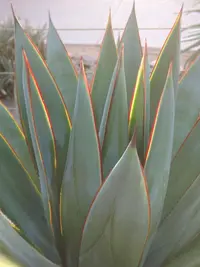
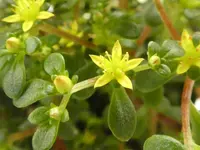
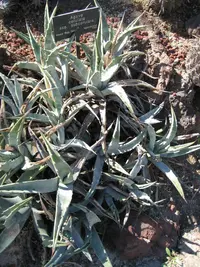
Euphorbia variabilis is a succulent shrub or subshrub in the spurge family, valued mainly for its unusual stems and small, inconspicuous flowers. It typically forms branching, upright growth with green, often segmented stems that store water, helping it tolerate dry conditions.

This species is native to arid or seasonally dry regions, where it grows in rocky, well-drained soils with strong light. Its drought tolerance and low nutrient needs can make it manageable for growers, but the milky sap requires careful handling.

Those learning how to care for Euphorbia variabilis should focus on bright light, fast-draining soil, and avoiding overwatering, which are key to maintaining a healthy plant.

Main Plant Requirements

Care Difficulty

Moderate Care

Light Preference

Full Sun

Water Requirements

Low Water

Temperature Preference

Warm Climate

Hardiness Zone

Unknown

Soil Texture

Sandy, Loamy, Rocky

Soil pH

Slightly acidic (6.5–7.0)

Soil Drainage

Well-drained

Fertilization

Minimal (feed rarely)

Get Personalized Care Plan

Scan your plant to receive care tips personalized for your specific plant

Available on iOS and Android

How to Care for the Euphorbia variabilis

This species prefers bright, mostly indirect light in warm, dry climates.

  • Provide 4–6 hours of morning sun or late-afternoon sun, with filtered or dappled light at midday to prevent stem scorch and bleaching.
  • It tolerates light partial shade but may grow thinner and produce fewer flowers if it receives under 3–4 hours of direct or strong filtered light.
  • In summer, shield Euphorbia variabilis from intense midday sun; in winter, shift plants to the brightest available position to compensate for shorter days.

Watering should mimic a dry, seasonal habitat with thorough but infrequent soakings.

  • Allow the top 3–5 cm of soil to dry completely before watering, then water deeply so it drains freely through the profile.
  • Reduce watering sharply in cooler months, only watering when stems begin to soften slightly, indicating mild dehydration rather than waiting for severe shriveling.
  • Watch for overwatering signs such as yellowing, mushy stems, or sour-smelling soil, and ensure fast-draining, gritty substrate to reduce root-rot risk.

Temperature stability within a warm, arid range supports healthy growth and flowering.

  • Aim for 70–85°F (21–29°C) during active growth, as this range supports steady metabolism and root activity.
  • Protect the plant from cold below 50°F (10°C), since prolonged exposure near 40°F (4°C) can damage tissues even without visible frost.
  • It tolerates brief heat up to 95°F (35°C) if soil is dry and air is moving, but avoid enclosed, stagnant spots that trap extreme radiant heat.

This species tolerates typical indoor humidity and rarely needs special adjustment.

  • Aim for 30–50% humidity; it handles drier air better than prolonged dampness.
  • Corky, pale patches or edge browning combined with wet soil usually indicate excess humidity and poor air movement, not dryness.
  • If air is extremely dry and hot, increase humidity indirectly by grouping plants and keeping the pot away from heating vents.

This Euphorbia prefers a very fast-draining, mineral-based substrate that prevents waterlogging around the roots.

  • Use a gritty mix such as 50–70% inorganic material (pumice, coarse sand, or small gravel) blended with cactus mix for slight organic content.
  • Structure should be loose and airy, with visible particle gaps so water drains through in seconds, not minutes.
  • Keep pH slightly acidic to neutral (pH 6.0–7.0), avoiding strongly acidic peat-heavy mixes that compact and retain excess moisture.
  • Improve drainage in heavy mixes by increasing pumice or coarse sand and always discarding any fine, silty components.

This species is well suited to container growing due to its compact, drought-adapted root system.

  • Select a pot slightly wider than the root mass so the mix dries evenly instead of staying wet in unused outer zones.
  • Choose a heavy terracotta or clay container in bright sites to reduce tipping risk and allow faster evaporation from the sides.
  • Raise the pot on feet or a stand so drainage holes stay clear and runoff cannot reabsorb into the root zone.

This drought-adapted species needs only light feeding in cultivation, especially in lean, well-drained soils.

  • Use a low-strength balanced liquid fertilizer (around 10-10-10) at 1/4–1/2 label rate during active spring–summer growth if soil is poor.
  • Apply every 6–8 weeks at most; skip feedings if growth is already firm and healthy.
  • Avoid heavy compost or rich slow-release pellets, which can cause weak, elongated growth and root stress.
  • Stop fertilizing in fall and winter when Euphorbia variabilis is semi-dormant or growth slows noticeably.

This plant benefits from light, targeted pruning to maintain structure and remove damaged growth.

  • Best time is late winter to early spring, before strong new growth begins.
  • Remove dead, damaged, crossing, or overly crowded stems to improve air flow and reduce disease risk.
  • Use clean, sharp bypass pruners and make cuts just above a node or branch junction.
  • Shaping cuts can gently control height and spread, but avoid hard cutting into very old, woody stems.

In gardens this species is usually left undisturbed, but container-grown plants or young specimens may need occasional transplanting.

  • Check for roots circling the pot base, pushing through drainage holes, or very slow growth as signs to move up 1 pot size.
  • Transplant in late spring or early summer, when soil is warm and the plant is actively growing.
  • Repot or shift position every 3–4 years at most, using a sharply drained, gritty mix to prevent waterlogging.
  • Minimize root stress by watering 1–2 days before moving, handling the root ball gently, and shading the plant for a few days afterward.

New plants are most reliably produced from seeds and carefully handled stem cuttings.

  • Sow fresh seed in spring in a very free-draining mix, keeping it just slightly moist and warm at 68–75°F for germination.
  • For cuttings, take non-flowering stems in late spring–summer and let the milky sap dry and callus for 1–2 days.
  • Insert callused cuttings into a gritty, almost dry medium, then water sparingly and provide bright, indirect light.
  • Maintain good air circulation and avoid high humidity to limit rot while the new roots develop.

This species has some drought tolerance but is sensitive to prolonged freezing, especially in containers.

  • In regions with frost, mulch in-ground plants lightly with gravel or coarse bark to buffer root temperature while keeping the crown dry.
  • Move container plants indoors or to a bright, cool, frost-free space around 40–50°F before hard freezes.
  • Water very sparingly in winter, allowing the potting mix to dry well between waterings to prevent cold-related root rot.

Care Tips

Glove-safe handling

Always wear impermeable gloves and avoid touching your face or eyes when cutting or repotting, as the milky sap is irritating and can cause skin and eye injury.

Sap management

When stems are cut, immediately blot the sap with a dry paper towel and briefly rinse the wound under cool running water to slow the flow and reduce stress on the plant.

Sturdy pot selection

Use a heavy, wide-based pot to counterbalance the tall, columnar form so the plant does not tip over as it gains height and weight.

Controlled branching

If a more branched form is desired, make a single heading cut on the main stem during the active growing season, then allow only 2–3 of the strongest new shoots to develop while removing weaker ones.

Seasonal pest checks

Inspect ribs and areoles with a hand lens every 2–4 weeks for early signs of mealybugs or scale, and isolate and treat promptly to keep long-term caring for Euphorbia variabilis simpler and safer.

Common Pests and Diseases

Powdery mildew

This disease causes a white, powdery coating on stems and leaves, often under crowded or humid conditions. Symptoms include slowed growth and a dull, dusty appearance on green surfaces.

Solution

Improve air circulation, avoid overhead watering, and remove heavily infected stems. Treat remaining growth with a sulfur or potassium bicarbonate fungicide labeled for succulents, applied according to directions, and keep the plant in bright, dry, well-ventilated conditions to reduce recurrence.

Stem canker

This disease leads to dark, sunken, sometimes cracked lesions on the fleshy stems, which can girdle and kill affected segments. Symptoms include localized shriveling and collapse starting from the cankered area.

Solution

Cut out and discard affected stem sections back into healthy, firm tissue using a sterile knife, and allow the cut surfaces to dry and callus in a warm, airy place. Reduce watering, avoid wounding the stems, and keep the plant in a dry, clean growing area to limit further infection.

Mealybugs

These insects appear as small white cottony clusters on ribs, stem joints, and in crevices, where they suck sap and excrete sticky honeydew. This pest weakens the plant and can encourage sooty mold growth on the sugary deposits.

Solution

Isolate the plant, then dab visible insects with cotton swabs dipped in 70% isopropyl alcohol and repeat weekly until no new clusters appear. For heavier infestations, rinse the stems with a firm stream of water, then apply a systemic insecticide or horticultural soap labeled for succulents, ensuring good coverage of hidden crevices while protecting the soil from excess moisture.

Spider mites

These insects are tiny sap-sucking arachnids that cause fine speckling, dulling of the stem surface, and sometimes delicate webbing in sheltered spots. Symptoms include a rough, faded look on green tissue, especially under hot, dry indoor or greenhouse conditions.

Solution

Increase humidity around the plant without wetting the stems heavily, and rinse the plant gently but thoroughly to knock mites off. Follow with repeated applications of insecticidal soap or a horticultural oil labeled for mites, applied to all stem surfaces every 5–7 days until new damage stops, which supports Euphorbia variabilis care in dry indoor environments.

Interesting Facts

Variable stem morphology

This species shows marked variation in stem shape and thickness even within the same population, a trait botanists used when describing and naming it variabilis. The stems can range from more cylindrical to slightly angled or irregular, reflecting adaptation to local microhabitats.

Specialized latex defense

Like many spurges, it produces a white, milky latex, but in this species the latex chemistry is distinct enough to help taxonomists separate it from closely related Euphorbia species. The latex deters most herbivores due to its irritant and unpalatable compounds.

Diagnostic floral structures

Its cyathia, the cup-like structures that look like single flowers, have a particular arrangement and shape of glands and bracts that distinguish it from similar Euphorbia species. These small structural details are critical for accurate identification in botanical surveys.

FAQs about Euphorbia variabilis

Yellowing leaves usually result from root stress, often due to excess moisture, compacted substrate, or sudden temperature shifts. Check drainage, let the mix dry more between waterings, and remove consistently yellow, soft leaves to prevent rot spread.

Grow Healthy Plants with Botan Care

Keep your plants happy and healthy with plant identification, disease detection, and easy care guidance.

Botan plant care app — identify plants on mobile

Explore More Plants