Sedum actinocarpum Care

Sedum actinocarpum

About Sedum actinocarpum

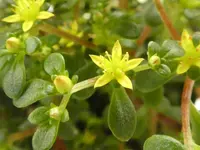
Sedum actinocarpum is a small, drought-tolerant succulent from the southeastern United States, typically found on rocky outcrops and open, well-drained slopes. It forms low, spreading mats with fleshy leaves and small, star-shaped flowers. This compact growth habit makes it suitable for rock gardens, troughs, and shallow containers. The plant is adapted to strong sun and lean, rocky soil, which helps explain its high tolerance of heat and short dry spells. It is generally considered easy to grow for beginners who want to care for Sedum actinocarpum, provided excess moisture around the roots is avoided.

Main Plant Requirements

Care Difficulty

Easy Care

Light Preference

Full Sun

Water Requirements

Low Water

Temperature Preference

Warm Climate

Hardiness Zone

7–9

Soil Texture

Sandy, Loamy, Rocky

Soil pH

Slightly acidic (6.5–7.0), Neutral (7.0)

Soil Drainage

Well-drained

Fertilization

Minimal (feed rarely)

Get Personalized Care Plan

Scan your plant to receive care tips personalized for your specific plant

Available on iOS and Android

How to Care for the Sedum actinocarpum

This hardy succulent prefers bright conditions but tolerates some shade, especially in hot climates.

  • Provide 6–8 hours of direct sun daily, ideally with gentle morning sun and light afternoon shade in hotter regions.
  • Allow light, shifting shade in summer if leaves start to look bleached or scorched, a sign of excessive midday sun exposure.
  • In cooler seasons, maximize sun by avoiding shade from buildings or shrubs; Sedum actinocarpum stays more compact and flowers better in stronger light.

This species prefers infrequent, deep watering in fast-draining soil.

  • Water only when the top 3–5 cm of soil are completely dry, letting water run through freely so roots do not sit in soggy soil.
  • During active growth in spring and early summer, expect to water more often, guided by soil dryness, then reduce frequency in late summer and fall.
  • Watch foliage for clues: soft, yellowing, or translucent leaves suggest overwatering, while wrinkled, limp leaves indicate prolonged drought stress.

This sedum is quite hardy but grows best in moderate, stable temperatures.

  • Optimal growth occurs around 65–80°F (18–27°C), with good airflow to prevent heat buildup around the foliage and roots.
  • Mature plants usually tolerate down to about 10–15°F (-12–-9°C) outdoors if soil drains well and crowns are not sitting in winter-wet conditions.
  • In extended heat above 90°F (32°C), provide afternoon shade and avoid heavy watering during hot evenings to limit rot risk.

This species tolerates typical indoor humidity and does not need special adjustments.

This succulent needs very free-draining, mineral-lean soil to prevent root rot.

  • Use a gritty mix such as 50–70% mineral components (coarse sand, fine grit, or pumice) with the rest a light, low-peat potting substrate.
  • Ensure the mix feels loose and crumbly; avoid compacted or clay-heavy soils that hold water around the roots.
  • Aim for slightly acidic to neutral pH, around 6.0–7.0, which suits Sedum actinocarpum in cultivation.
  • Improve aeration by adding extra pumice or perlite if water does not drain through within a few seconds of watering.

This species is well suited to container growing when drainage is carefully managed.

  • Choose a shallow, wide pot to match the spreading root system and limit excess wet substrate beneath the crown.
  • Select a pot with several unobstructed drainage holes so water exits quickly and does not pool at the base.
  • Use unglazed terracotta if faster drying is needed in cool or humid climates, as it allows moisture to evaporate through the pot walls.

This species grows best with very modest feeding in lean, well-drained soil.

  • Use a light application of balanced slow-release fertilizer (around 10-10-10) in early spring as new growth starts.
  • Alternatively, top-dress with a thin layer of compost, keeping it off the stems and crown of Sedum actinocarpum.
  • Feed only once per growing season; avoid mid-summer or late-season boosts that cause weak, lush growth.
  • Dilute any liquid feed to 25–50% strength to prevent salt buildup and root burn.

Pruning is mainly used to tidy plants and maintain a compact, healthy mat.

  • Trim in early spring or just after flowering to neaten the clump and encourage dense new growth.
  • Remove dead, damaged, or leggy stems with clean, sharp scissors or snips, cutting back to firm tissue.
  • Thin crowded sections lightly to improve airflow, which reduces rot risk in this succulent.
  • Avoid hard cutting into woody bases of Sedum actinocarpum; retain some leafy stems on each clump.

Movement is infrequent, but containers and crowded patches sometimes need attention.

  • Check for roots circling the pot, poor drainage, or slowed growth as signs a container plant needs more space.
  • Plan repotting or garden transplanting for early spring, before strong new growth, every 3–4 years if needed.
  • Shift into a shallow, wider container or gritty, well-drained bed, disturbing roots as little as possible.
  • Water lightly after moving Sedum actinocarpum, then allow soil to dry between waterings to limit transplant shock.

This plant is commonly propagated to expand groundcover patches or share divisions.

  • Use short stem cuttings or offsets in late spring to early summer, when growth is active.
  • Let cuttings callus for 1–2 days, then place on or in gritty, barely moist mix under bright, indirect light.
  • Divide mature clumps in spring, replanting firm sections at the same depth and spacing them for spread.
  • For seed, sow on the surface of a fast-draining mix and keep slightly moist until germination.

Sedum actinocarpum is generally cold hardy and needs little winter intervention in the ground.

  • In colder regions, apply a light gravel or coarse sand mulch to keep crowns well drained, not wet.
  • Ensure containers do not sit in water; elevate pots and use very free-draining soil in winter.
  • Move small container plants to a cold, bright, sheltered spot to reduce freeze–thaw stress on roots.

Care Tips

Rocky planting pockets

Tuck plants into shallow, rocky crevices or gravelly pockets so stems can root along the surface, which stabilizes the plant and reduces crown rot in wet periods when growing Sedum actinocarpum.

Controlled spreading

Periodically lift and replant outer rosettes while discarding any woody, congested center growth to keep the mat dense, low, and better ventilated against fungal problems.

Winter rain management

In regions with wet winters, place plants on a slight slope or in a raised rock bed so excess rain drains away from the crown and fine roots.

Heat reflection use

Position plants near sun-warmed stone, gravel, or paving so the reflected heat and rapid surface drying mimic natural habitat conditions and encourage tighter, more compact growth.

Targeted pest checks

Inspect leaf undersides and stem joints during warm, dry spells for aphids and mealybugs, and remove early with a firm water spray or an alcohol-damped cotton swab before colonies spread through the mat.

Common Pests and Diseases

Mealybugs

This pest feeds on succulent leaves and stems, often hiding in crevices between segments. Symptoms include white cottony clusters, sticky honeydew, and distorted new growth.

Solution

Isolate affected plants, then dab visible insects with cotton swabs dipped in 70% isopropyl alcohol and repeat weekly until no new clusters appear. For heavier infestations, use a ready-to-use insecticidal soap or neem oil spray, applied in the cool part of the day and repeated as directed, and reduce excess nitrogen fertilizer that encourages soft, vulnerable growth.

Aphids

These insects cluster on tender tips and flower stalks, sucking sap and causing curling, yellowing, or stunted growth. Sticky honeydew and sooty mold on nearby surfaces are common signs.

Solution

Rinse stems and foliage with a firm stream of water to dislodge colonies, repeating every few days as needed. If populations persist, apply insecticidal soap or horticultural oil, ensuring thorough coverage of undersides of leaves, and avoid overfertilizing, which promotes the soft new growth aphids prefer.

Fungal leaf spots

This disease appears as small brown to black spots on leaves that may merge into larger blotches under prolonged wet conditions. Symptoms include premature leaf drop on crowded or poorly ventilated plants.

Solution

Remove and discard affected leaves and any fallen plant debris, then improve air movement and avoid overhead watering so leaves dry quickly. If spots continue to expand, apply a sulfur or copper-based fungicide labeled for ornamental succulents, following directions carefully, and space plants to reduce humidity around the foliage when growing Sedum actinocarpum.

Stem and crown rot

This disease causes water-soaked, mushy tissue at the base of stems and around the crown, often with a foul odor. Symptoms include sudden collapse of entire shoots, usually after prolonged soil saturation or poor drainage.

Solution

Promptly remove and discard all soft, rotting tissue and any severely affected stems. Allow the remaining healthy plant to dry, then replant only firm cuttings or unaffected sections in a sharply draining, gritty mix, use pots with drainage holes, and water deeply but infrequently, allowing the soil to dry well between waterings.

Interesting Facts

Cumberland Plateau endemic

This species is naturally restricted to sandstone outcrops and cliffs of the Cumberland Plateau region in Tennessee, making it a narrow-range endemic with a highly specialized habitat.

Mat-forming rock specialist

It grows as a low, mat-forming succulent that anchors into thin rock crevices and ledges, allowing it to survive where deeper-rooted plants cannot establish.

Spring-blooming rosettes

The plant forms small, fleshy rosettes that send up short flowering stems in late spring, producing star-shaped flowers that are adapted to attract small pollinating insects in exposed, rocky sites.

FAQs about Sedum actinocarpum

This species forms small, slowly expanding clumps rather than running aggressively. It spreads mainly by short stems and self-seeding. In well-drained, open sites it can naturalize, but it rarely becomes a nuisance in typical gardens.

Grow Healthy Plants with Botan Care

Keep your plants happy and healthy with plant identification, disease detection, and easy care guidance.

Botan plant care app — identify plants on mobile

Explore More Plants