Offset management
Remove and replant basal offsets with a clean, sharp knife once they reach 2–3 cm to maintain a compact rosette on the mother plant and create genetically identical backups in separate pots.

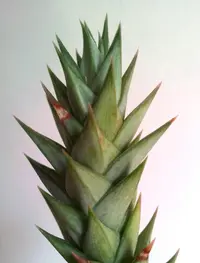
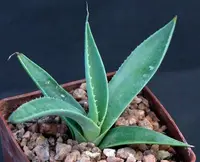
Swartberg Astroloba (Astroloba herrei) is a small succulent from arid regions of South Africa, valued for its compact, architectural rosettes. It forms stiff, triangular leaves arranged in neat spirals along upright stems, often with subtle banding or teeth along the edges.
In habitat, it grows on rocky slopes with intense light and very sharp drainage. This background makes the plant slow growing but long lived in containers when conditions are stable.
Astroloba herrei is considered moderately easy to grow for those who can avoid overwatering and provide bright light, making it suitable for succulent collections and windowsills. Understanding how to care for Swartberg Astroloba mainly involves controlling moisture and using a gritty, fast-draining soil mix.

Care Difficulty
Moderate Care

Light Preference
Partial Sun

Water Requirements
Low Water

Temperature Preference
Tropical / Frost Sensitive

Hardiness Zone
10–11

Soil Texture
Sandy, Loamy, Rocky

Soil pH
Slightly acidic (6.5–7.0), Neutral (7.0)

Soil Drainage
Well-drained

Fertilization
Minimal (feed rarely)
Scan your plant to receive care tips personalized for your specific plant
Available on iOS and Android
This compact succulent prefers bright, indirect light similar to high, open shade in its native range.
This species prefers thorough but infrequent watering that mimics brief desert rain followed by dry periods.
This plant prefers warm, dry conditions with good airflow and does not tolerate hard frost.
Astroloba herrei handles dry indoor air well and rarely needs special humidity management.
Astroloba herrei needs a very fast-draining, mineral-rich mix to prevent root rot.
This compact succulent is well suited to container growing.
This compact succulent needs modest feeding to support slow, steady growth in containers.
Pruning needs for Astroloba herrei are minimal and focused on housekeeping rather than shaping.
This species grows slowly and prefers infrequent disturbance, so repot only when clearly needed.
Astroloba herrei is most often propagated from offsets, with seed used mainly by specialists.
This succulent is not frost hardy and benefits from structured winter protection in most climates.

Plant Health Check
Not sure what's wrong with your plant? Check your plant's health inside the app.
This species occurs naturally only on rocky sandstone slopes of the Swartberg mountains in South Africa, where it grows in crevices and shallow soil pockets exposed to intense sun and periodic drought.
Its narrow, triangular leaves are arranged in tight spiral columns, and each leaf often twists slightly along its length, creating a distinctive ridged, almost architectural appearance unique among many Astroloba species.
In its native habitat it does most of its active growth in the cooler, wetter months and slows down markedly in the hot, dry summer, a seasonal rhythm shaped by the local winter-rainfall climate.

Astroloba herrei is considered one of the more range-restricted members of its genus, with fragmented, localized populations that are closely tied to specific bands of quartzitic sandstone within the Swartberg, making habitat disturbance a particular conservation concern.
Brown leaf tips or patches usually come from prolonged drought, intense direct sun, or salt buildup from fertilizer. Check roots for rot, flush the soil with plain water, and adjust conditions gradually rather than making sudden changes.
Keep your plants happy and healthy with plant identification, disease detection, and easy care guidance.