Beach Tentfig Care (Ruschia macowanii)

Also known as: Sea Tentfig
Beach Tentfig

About Beach Tentfig

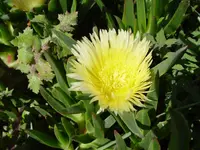
Beach tentfig, Ruschia macowanii, is a small succulent groundcover from the coastal regions of South Africa. It belongs to the Aizoaceae family, often called ice plants. Dense mats of narrow, fleshy leaves and bright daisy-like flowers give it a low, spreading habit suitable for rock gardens and dry borders. The foliage stores water, which makes it well adapted to drought and sandy, fast-draining soils. This species prefers bright light, low to moderate moisture, and good air movement, which generally makes it low maintenance in dry climates. Many gardeners find it helpful to learn how to care for Beach Tentfig before planting it in containers or exposed outdoor sites.

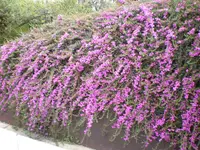
Main Plant Requirements

Care Difficulty

Easy Care

Light Preference

Full Sun

Water Requirements

Low Water

Temperature Preference

Warm Climate

Hardiness Zone

9–11

Soil Texture

Sandy, Loamy, Rocky

Soil pH

Slightly acidic (6.5–7.0), Slightly alkaline (7.0–7.5)

Soil Drainage

Well-drained

Fertilization

Minimal (feed rarely)

Get Personalized Care Plan

Scan your plant to receive care tips personalized for your specific plant

Available on iOS and Android

How to Care for the Beach Tentfig

This compact succulent thrives in bright, open conditions similar to its coastal habitat.

  • Provide 6–8 hours of direct sun daily; morning and late-afternoon sun are ideal, with light midday shade in very hot inland areas.
  • Beach Tentfig tolerates light partial shade (3–4 hours direct sun), but growth becomes looser and flowering decreases as shade increases.
  • In summer, watch for leaf bronzing or scorch on exposed rock or gravel; in winter, ensure an unshaded, south-facing position to maximize low-angle sun.

This species prefers infrequent, deep watering and fast-drying soil.

  • Water only when the top 3–5 cm of soil are completely dry; in warm growing seasons this might mean every 10–21 days depending on soil and climate.
  • Use very free-draining, gritty soil or a rocky slope so water runs through quickly; prolonged dampness around the roots greatly increases rot risk in Ruschia macowanii.
  • In winter or cool, overcast periods, reduce watering to light sips once the foliage just begins to wrinkle, and avoid watering before forecasted heavy rain.

This coastal succulent favors mild, dry climates with cool nights and low humidity.

  • Optimal growth occurs around 60–80°F (16–27°C), with best flowering where days are warm and nights slightly cooler.
  • It tolerates brief drops to about 25°F (-4°C) if soil is dry, but repeated freezes or wet cold conditions can damage or kill stems.
  • In hot spells above 90°F (32°C), ensure excellent airflow and avoid reflected heat from walls or stone to reduce stress and sun scorch.

Humidity is rarely a concern for this coastal succulent, which prefers dry air and arid conditions.

  • Target 30–40% humidity, similar to typical indoor air in heated or air-conditioned homes.
  • Beach Tentfig tolerates very dry air but suffers if kept in persistently humid rooms such as bathrooms or enclosed terrariums.
  • Watch for soft, translucent leaves and unexplained rot as signs of excess humidity combined with poor air movement.

This species needs very fast-draining, gritty soil to prevent root rot and mimic its native rocky habitats.

  • Use a cactus/succulent mix amended with 30–50% extra mineral material such as coarse sand, pumice, or small grit for Ruschia macowanii.
  • Aim for a lean, sandy, low-organic substrate; too much compost or peat retains water and collapses soil structure.
  • Keep pH slightly acidic to neutral (pH 6.0–7.0), avoiding strongly acidic mixes or clay-based garden soil.
  • Improve aeration by ensuring particles are coarse and irregular, and never use soil that compacts into a smooth, sticky mass when wet.

This species is very suitable for container growing due to its compact, mat-forming habit and shallow roots.

  • Choose a wide, shallow pot to match its spreading growth and prevent unnecessary moisture in deep, unused soil layers.
  • Select a porous material such as unglazed terracotta to speed evaporation and reduce the risk of chronically wet roots.
  • Elevate the pot slightly or use pot feet so drainage holes stay clear and runoff water moves away quickly after watering.

This succulent from arid habitats needs only light feeding to stay healthy in containers.

  • Use a low-strength balanced liquid fertilizer (around 10-10-10) diluted to 25–50% for Beach Tentfig in active growth.
  • Feed once every 4–6 weeks during spring–summer if the plant is in very gritty, low-organic potting mix.
  • Skip fertilizer in autumn–winter to avoid soft, frost-tender growth and root burn risk.
  • Flush the pot with plain water occasionally to prevent salt buildup in the soil.

Ruschia macowanii benefits from light, targeted pruning to keep the mat dense and flowering well.

  • Carry out pruning in late winter or early spring before strong new growth starts.
  • Snip back dead, damaged, or bare stems and lightly shorten leggy shoots to encourage branching.
  • Use clean, sharp scissors or small pruners to avoid tearing the brittle succulent stems.
  • Avoid cutting into very old, woody bases; leave some leafy segments on each stem for good recovery.

This shallow-rooted succulent prefers minimal disturbance, but occasional repotting or transplanting maintains vigor.

  • Check for roots circling the pot, pushing through drainage holes, or noticeably slowed growth as signs it needs more space.
  • Plan repotting or outdoor transplanting for late spring, when temperatures are stable and soil warms.
  • Expect to repot container plants about every 2–3 years into a wide, shallow pot with very gritty, fast-draining mix.
  • Gently loosen the root ball, remove old compacted soil, replant at the same depth, and keep slightly dry for 5–7 days to limit root stress.

This species is commonly multiplied by stem cuttings and occasionally by seed for larger batches.

  • Take short, healthy stem cuttings in late spring–summer and let cut ends dry for 1–2 days to callus.
  • Insert cuttings into a dry, very gritty mix under bright light and warm conditions around 70–80°F.
  • Water lightly only after callus forms, then keep barely moist until firm roots develop.
  • Sow seeds on the surface of sandy mix, keep bright and slightly moist, and expect slow, uneven germination.

In mild climates this succulent needs little winter care, but protection improves survival in colder regions.

  • Plants in the ground tolerate only light, brief frosts; prolonged freezes can damage foliage and roots.
  • Add a thin gravel mulch around the crown to improve drainage and insulate the root zone.
  • Move containers under a bright, cool, frost-free cover when temperatures drop near 32°F.
  • Water very sparingly in winter so soil stays mostly dry, reducing risk of rot in cold conditions.

Care Tips

Enhance Drainage Layer

When planting in containers, add a shallow layer of coarse mineral material such as pumice, aquarium gravel, or broken terra-cotta over the drainage holes to keep the fine succulent mix from clogging and to prevent water from pooling around the sensitive roots.

Seasonal Growth Checks

At the end of spring and again in early fall, inspect stems closely for any soft, elongated, or shaded-out growth and lightly thin these sections so light can reach the plant base and encourage denser, flowering new shoots.

Controlled Division Method

Every 2–3 years, divide congested mats by cutting through the root mass with a clean knife, then allow the cuts to dry for 24 hours before replanting each section slightly raised above the surrounding soil line to reduce crown rot risk.

Targeted Pest Monitoring

In dry climates, check stem joints and the undersides of leaves every 2–3 weeks for early signs of mealybugs or scale, and if found, isolate the plant and dab pests directly with cotton swabs dipped in 70% isopropyl alcohol rather than spraying the entire plant.

Slope And Rock Use

For outdoor plantings, place the plant on a slight slope or in a rock crevice so excess rainwater runs off and the roots sit in the drier upper layer of the soil, which greatly improves long-term success when growing Beach Tentfig in regions with occasional heavy rain.

Common Pests and Diseases

Aphids

These insects feed on young shoots and flower buds, causing distortion, sticky honeydew, and sometimes sooty mold on stems and leaves.

Solution

Rinse stems and leaf surfaces with a firm stream of water, then spot-treat remaining colonies with insecticidal soap or a light horticultural oil, repeating weekly until new growth appears clean. In dry climates, reducing excess nitrogen fertilization and encouraging natural predators like lady beetles also helps keep populations low when growing Beach Tentfig outdoors.

Mealybugs

These insects appear as small white cottony clusters in stem joints and along the fleshy shoots, weakening growth as they suck sap and excrete sticky honeydew.

Solution

Isolate affected plants, then dab individual mealybugs with cotton swabs dipped in 70% isopropyl alcohol and follow with a thorough spray of insecticidal soap, ensuring coverage in crevices. Inspect weekly and repeat treatment until no new insects or honeydew are visible, and avoid overfertilizing, which can encourage reinfestation.

Leaf spot

This disease causes small water-soaked or tan lesions on the succulent leaves that may enlarge, coalesce, and lead to localized tissue collapse in humid or poorly ventilated conditions.

Solution

Remove and discard affected leaves, improve air circulation, and avoid overhead watering that wets the foliage for long periods. If new spots continue to appear, apply a labeled copper or sulfur-based fungicide lightly to dry foliage, and keep the plant in a brighter, drier position during recovery.

Stem rot

This disease starts as soft, darkened areas at the stem base or lower joints, often following prolonged soil moisture or poor drainage, and can lead to rapid collapse of segments.

Solution

Cut away all softened or dark tissue back to firm, healthy stems, then re-root clean cuttings in a sharply draining mineral mix while discarding affected soil. Adjust watering to allow the substrate to dry well between waterings, raise pots off saucers, and keep plants in bright light so remaining tissue stays firm and dry.

Interesting Facts

Coastal quartz specialist

This species is naturally restricted to quartz gravel flats and low slopes in the Western and Eastern Cape of South Africa, where its grey-green, triangular leaves blend visually with pale stones and help reduce herbivory.

Rain-triggered flowering

It produces its purple-pink daisy-like flowers mainly after seasonal rain events in winter-rainfall areas, an adaptation that synchronizes flowering with periods of higher soil moisture and pollinator activity.

Mat-forming succulent shrub

The plant forms low, dense mats of short, woody branches with paired succulent leaves, helping stabilize shallow, stony soils and reduce erosion in its often windy coastal habitat.

Botan icon

Did you know?

This species is part of the quartz-field flora of the Cape region, a globally recognized center of plant endemism, and some of its wild populations occur only on very small, localized quartz patches that can be highly vulnerable to habitat disturbance.

FAQs about Beach Tentfig

This species forms low, mat-like clumps and gradually spreads outward, but is not typically aggressive. It can fill gaps between stones or in rock gardens and is usually easy to contain with light edging or occasional trimming.

Grow Healthy Plants with Botan Care

Keep your plants happy and healthy with plant identification, disease detection, and easy care guidance.

Botan plant care app — identify plants on mobile

Explore More Plants