Fivetooth Babooncabbage Care (Othonna quinquedentata)

Also known as: Heavenly Daisy, Five-toothed Baboon Cabbage
Fivetooth Babooncabbage

About Fivetooth Babooncabbage

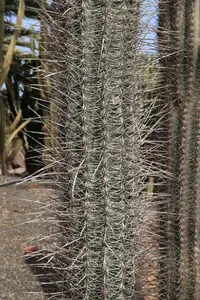
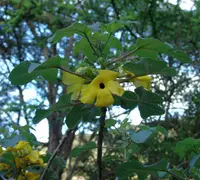
Fivetooth babooncabbage (Othonna quinquedentata) is a small, shrubby succulent from arid regions of South Africa. It forms low, woody clumps with fleshy, often toothed leaves and bright yellow, daisy-like flowers. Its growth is compact and slow, making it suitable for containers and sunny windowsills. The plant stores water in its stems and leaves, which helps it tolerate drought and short periods of neglect. Othonna quinquedentata prefers strong light, very well-drained soil, and careful, infrequent watering. These traits make it rewarding but better suited to growers who already know how to care for Fivetooth Babooncabbage and other drought-adapted succulents.

Main Plant Requirements

Care Difficulty

Moderate Care

Light Preference

Full Sun

Water Requirements

Low Water

Temperature Preference

Warm Climate

Hardiness Zone

10–11

Soil Texture

Sandy, Loamy, Rocky

Soil pH

Slightly acidic (6.5–7.0), Neutral (7.0)

Soil Drainage

Well-drained

Fertilization

Minimal (feed rarely)

Get Personalized Care Plan

Scan your plant to receive care tips personalized for your specific plant

Available on iOS and Android

How to Care for the Fivetooth Babooncabbage

This drought-tolerant succulent thrives in bright, open conditions similar to its native habitat.

  • Provide 6–8 hours of direct sun daily, ideally with strong morning sun and lighter afternoon exposure to limit leaf scorch.
  • Plant Fivetooth Babooncabbage in a spot with full sun to light partial shade; in very hot climates, give 2–4 hours of filtered light during peak afternoon heat.
  • Watch for pale, stretched growth as a sign of too little sun, and brown, crisp patches as a sign of excessive, intense exposure.

This species prefers thorough but infrequent watering that mimics brief rains followed by dry periods.

  • Allow the top 3–5 cm of soil to dry fully before watering, then soak the root zone so excess drains away quickly.
  • During active growth, water when leaves look slightly less plump; in cool or dormant periods, reduce frequency sharply and water only when soil is completely dry.
  • Watch for yellowing, soft or translucent stems as overwatering signs, and wrinkled, shriveling leaves as an early cue of underwatering in Othonna quinquedentata.

This plant prefers mild, dry conditions and does best when protected from hard frost and extreme heat.

  • Aim for 65–80°F (18–27°C) during active growth, with good air movement to prevent heat buildup around the foliage.
  • Protect from frost; brief dips to about 28–32°F (-2–0°C) may be survived if soil is dry, but repeated or lower freezes can damage stems and roots.
  • In hot spells above 90°F (32°C), provide light afternoon shade and avoid reflected heat from walls or rocks that can overheat the root zone.

This succulent tolerates low indoor humidity and rarely needs special moisture adjustments.

  • Best growth occurs at 30–50% relative humidity, similar to most heated homes.
  • Dry air is usually tolerated; watch for wrinkling, dull leaves, or slowed growth as signs of stress rather than leaf tip burn.
  • For caring for Fivetooth Babooncabbage in very dry homes, place it away from heating vents and drafts instead of using humidifiers.

This plant requires a very free-draining, mineral-based substrate to prevent root rot.

  • Use a gritty, sandy mix such as 50–70% inorganic material (pumice, coarse perlite, or grit) blended with 30–50% lean cactus potting mix.
  • Aim for slightly acidic to neutral pH, roughly 6.0–7.0, which most commercial cactus mixes already provide.
  • Increase aeration by including coarse particles (3–6 mm) and avoiding fine peat that compacts and holds excess water around the roots.
  • Avoid heavy, clay-based garden soil or mixes that stay wet longer than 2–3 days after watering, as this encourages rot in Othonna quinquedentata.

This species is well suited to container growing when drainage and root space are managed carefully.

  • Choose a relatively shallow but wide pot so the tuberous roots can spread horizontally without sitting deep in wet mix.
  • Select unglazed terracotta if the mix tends to stay wet, as the porous walls allow faster moisture loss and reduce rot risk.
  • Set the container where it cannot tip, since the heavy tuber and spreading top growth can make a lightweight pot unstable when dry.

This drought-adapted succulent needs only modest feeding to stay healthy in cultivation.

  • Use a diluted balanced liquid fertilizer (such as 10-10-10 or 20-20-20 at 25–50% strength) during active spring–summer growth.
  • Apply every 4–6 weeks for container plants; in the ground, caring for Fivetooth Babooncabbage often requires no added fertilizer in lean, well-drained soil.
  • Choose slow-release granules or very light compost for outdoor plantings, keeping fertilizer off the stems to prevent rot.
  • Stop feeding in fall and winter dormancy to avoid weak, etiolated growth.

Othonna quinquedentata benefits from light, targeted pruning to maintain a compact, healthy form.

  • Plan main pruning for late winter to early spring, just before new growth starts.
  • Remove dead, damaged, or diseased stems first, then thin crowded or crossing branches to improve airflow.
  • Shorten overly long shoots to refine shape and encourage branching without cutting into old, woody bases.
  • Use sharp, clean scissors or pruning shears and make small cuts above leaf joints to reduce stress.

Container-grown plants respond best to infrequent, careful repotting that respects their succulent roots.

  • Check for roots circling the pot, escaping drainage holes, or unexplained slowdown in growth as signs to repot every 2–3 years.
  • Choose late winter to early spring, just before active growth, for both repotting and transplanting.
  • Move into a pot only 1–2 in wider, using a fast-draining cactus or succulent mix to limit excess moisture.
  • Gently loosen the root ball, remove rotten roots, keep the crown slightly above the soil line, and water lightly after moving.

This species is commonly propagated in cultivation, mainly from stem cuttings and sometimes from seed.

  • Take semi-firm stem cuttings in late spring or early summer, choosing healthy, pest-free shoots.
  • Allow cut ends to dry and callus for 1–3 days before inserting into a gritty, fast-draining mix.
  • Provide bright, indirect light and keep the substrate barely moist until roots develop, then reduce watering.
  • Sow seeds on the surface of well-drained soil, keep slightly moist, and maintain warm temperatures for even germination.

This plant prefers mild, dry winters and needs protection from hard freezes, especially in containers.

  • In regions below about 25–30°F, grow in pots so they can be moved under cover during cold snaps.
  • Keep soil on the dry side in winter to reduce root rot in cold conditions.
  • Mulch lightly around in-ground plants in cool climates, avoiding direct contact with stems.
  • Provide a bright, cool indoor spot for potted plants, with minimal watering until spring growth resumes.

Care Tips

Seasonal rest management

Allow the plant to go almost completely dry and reduce handling during its natural summer dormancy, then resume normal care only once new growth visibly returns in the cooler season.


Controlled stem support

Use low, discrete wire hoops or small stones to gently support and guide the trailing stems so they do not kink at the base, which reduces breakage and keeps growth more evenly exposed to light.

Targeted root checks

Slide the plant partially out of its pot once or twice a year to inspect the tuber and roots for rot or mealybugs, then repot slightly deeper only if the tuber has become top-heavy or unstable.

Clean, sharp pinching

Pinch or cut back overly long, leafless stems with a sterile, sharp tool right above a node to encourage branching and a denser crown, then keep the plant slightly drier for a few days to aid wound sealing.

Preventive pest monitoring

During active growth, inspect the undersides of leaves and stem joints every 1–2 weeks with a hand lens for early signs of mites or mealybugs, since catching issues early makes caring for Fivetooth Babooncabbage much easier and safer for the plant.

Common Pests and Diseases

Aphids

This pest often appears on tender new growth and flower stalks, sucking sap and causing distortion and sticky honeydew deposits. Symptoms include curled leaves, stunted shoots, and occasional sooty mold on the honeydew.

Solution

Rinse colonies off stems and leaves with a firm stream of water, then inspect regularly and remove any heavily infested shoots. If populations persist, apply an insecticidal soap or a light horticultural oil, ensuring good coverage of the undersides of leaves and young stems while protecting beneficial insects as much as possible.

Mealybugs

These insects hide in stem joints and along the caudex, appearing as white cottony clusters and feeding on plant sap. Symptoms include yellowing leaves, sticky residue, slowed growth, and weakened plants under dry indoor or greenhouse conditions.

Solution

Isolate the plant, then wipe visible insects with cotton swabs dipped in 70% isopropyl alcohol, repeating weekly until no new clusters appear. For larger populations, combine manual removal with targeted use of insecticidal soap or neem oil, and reduce overcrowding to limit reinfestation in Fivetooth Babooncabbage indoor care situations.

Spider mites

This pest thrives in warm, dry conditions and is more common on plants grown under glass or indoors, causing fine stippling on leaves and a dull, dusty appearance. Symptoms include tiny webbing between stems and leaves, leaf drop, and general decline if ignored.

Solution

Increase humidity around the plant and spray foliage with lukewarm water to physically dislodge mites, focusing on leaf undersides and dense growth points. When needed, apply a miticidal product such as insecticidal soap or a specific acaricide in repeated treatments, and improve air circulation to make conditions less favorable for mite buildup.

Leaf spot

This disease produces small brown, tan, or dark purple lesions on the leaves, sometimes with a yellow halo, often under cool, damp, or poorly ventilated conditions. Symptoms include scattered spots that can merge, leading to partial leaf death and early leaf drop.

Solution

Remove and dispose of affected leaves, avoid overhead watering, and allow the soil surface and foliage to dry between waterings. Improve air movement around the plant and, if spotting continues to spread, use a broad-spectrum fungicide labeled for ornamental succulents according to label directions.

Soft bacterial rot

This disease usually starts at wounds or at the base of the caudex, causing water-soaked, soft, foul-smelling tissue that can spread rapidly in warm, wet conditions. Symptoms include a collapsing base, discolored mushy areas, and rapid decline of aboveground growth.

Solution

At the first sign of soft, discolored tissue, cut away all affected parts into firm, healthy tissue with a sterile knife, then allow cut surfaces to dry and callus in a warm, airy place. Discard severely affected plants, reduce watering, avoid water standing around the caudex, and always use clean tools and well-draining soil to reduce future infections.

Interesting Facts

Fivetooth leaf pattern

The species name quinquedentata refers to the typically five small tooth-like lobes along each fleshy leaf margin, a feature that helps distinguish it from many other leaf-succulent daisies in southern Africa.

Night-opening flowers

Its yellow daisy-like flower heads usually open in the late afternoon or evening, an adaptation thought to attract nocturnal or crepuscular pollinators in its dry, open habitats.

Caudiciform water storage

This plant forms a thickened, woody caudex (swollen stem base) that stores water, allowing it to survive long dry periods in its native winter-rainfall regions of South Africa.

Botan icon

Did you know?

In habitat this species often grows among stones and low shrubs, where its grey-green leaves and swollen base blend into the background so effectively that flowering stems can appear to rise directly from the rocky ground, providing camouflage from herbivores while still exposing flowers to pollinators.

FAQs about Fivetooth Babooncabbage

This species performs best outdoors in bright, dry, frost-free conditions that mimic its rocky South African habitat. Indoors it can survive if provided very strong light, excellent drainage, and cool, dry winter rest, but growth is usually slower.

Grow Healthy Plants with Botan Care

Keep your plants happy and healthy with plant identification, disease detection, and easy care guidance.

Botan plant care app — identify plants on mobile

Explore More Plants