Redstem Tentfig Care (Ruschia rubricaulis)

Redstem Tentfig

About Redstem Tentfig

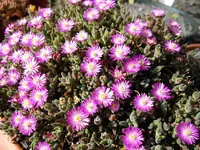
Redstem tentfig, Ruschia rubricaulis, is a compact, mat-forming succulent from arid regions of South Africa. It belongs to the ice plant family and stores water in its fleshy leaves and stems.

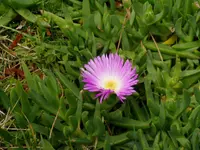
The plant typically forms low cushions of narrow, triangular leaves with reddish stems and small, bright flowers that open in good light. Its growth habit makes it suitable for rock gardens, outdoor containers in mild climates, or bright indoor spots.

Ruschia rubricaulis is generally considered easy to grow if kept in strong light, very well-drained soil, and protected from prolonged cold and excess moisture. Understanding how to care for Redstem Tentfig mostly comes down to avoiding overwatering and ensuring enough sun.

Main Plant Requirements

Care Difficulty

Easy Care

Light Preference

Full Sun

Water Requirements

Low Water

Temperature Preference

Warm Climate

Hardiness Zone

9–11

Soil Texture

Sandy, Loamy, Rocky

Soil pH

Slightly acidic (6.5–7.0), Slightly alkaline (7.0–7.5)

Soil Drainage

Well-drained

Fertilization

Minimal (feed rarely)

Get Personalized Care Plan

Scan your plant to receive care tips personalized for your specific plant

Available on iOS and Android

How to Care for the Redstem Tentfig

This compact South African succulent performs best with bright, direct light for most of the day.

  • Provide 6–8 hours of full sun, ideally with strong morning sun and lighter afternoon exposure to avoid leaf scorch in very hot climates.
  • In regions with intense summer sun, give Ruschia rubricaulis light afternoon shade or filtered light to prevent tips from drying or turning brown.
  • If stems stretch, lean, or lose color, the plant is lacking light; move it to a more open, unshaded position, especially in autumn and winter.

This drought-tolerant succulent prefers infrequent, deep watering and fast-drying soil.

  • Water only when the top 3–5 cm of soil are completely dry, then soak thoroughly and let excess drain away from the root zone.
  • Use very well-draining, gritty soil; prolonged puddling, a sour smell, or mushy, translucent leaves signal overwatering and root stress in Ruschia rubricaulis.
  • Reduce watering sharply in cool seasons, watching foliage and stems; wrinkling or slight shriveling suggests it is time for a careful, moderate watering.

This hardy ice plant thrives in mild, dry conditions and tolerates some cold if soil drains quickly.

  • Aim for active growth in 60–80°F (16–27°C); it handles short dry heat if roots stay cool and the soil is not waterlogged.
  • Mature plants can survive brief drops near 20–25°F (-6 to -4°C) when kept extremely well-drained, but foliage damage is likely below freezing.
  • Protect from prolonged frost and freezing wet soil; in very hot periods above 90°F (32°C), provide airflow and occasional light shade to limit stress.

This South African succulent prefers relatively dry air and does not need extra humidity indoors.

  • Aim for 30–50% humidity, similar to most heated or air-conditioned homes.
  • Dry air is usually tolerated; problems appear only with prolonged, stagnant, very damp air above 60–70%.
  • Watch for soft, water-soaked leaves or moldy stems in overly humid, poorly ventilated spots and improve air movement or relocate the Redstem Tentfig.

This plant needs very fast-draining, sandy soil to prevent root and stem rot.

  • Use a gritty mix such as 50–70% coarse sand or fine gravel combined with cactus potting mix for structure and water-holding balance.
  • Ensure the mix feels loose and crumbly; compacted or peat-heavy substrates should be lightened with extra mineral grit for better aeration.
  • Keep pH slightly acidic to neutral around 6.0–7.0, avoiding strongly acidic or alkaline soils that may restrict nutrient availability for Ruschia rubricaulis.
  • Avoid water-retentive garden loam, clay-heavy soils, or pure compost, which hold moisture around the roots and significantly increase rot risk.

This species adapts very well to container growing, especially in sunny, dry locations.

  • Choose a wide, shallow pot that matches its mat-forming habit, allowing lateral spread without deep, wet soil below the roots.
  • Select unglazed terracotta if extra evaporation is needed in humid or cooler climates to keep the mix drier between waterings.
  • Elevate the container slightly on pot feet or spacers so drainage holes stay clear and runoff leaves the root zone quickly, preventing perched water at the base.

This drought-adapted succulent needs only light feeding to stay healthy in containers.

  • Use a balanced, low-strength liquid fertilizer (for example 10-10-10) diluted to 1/4–1/2 strength for Redstem Tentfig in active growth.
  • Feed every 4–6 weeks during spring–summer if growth is pale or weak, skipping any application to stressed or very dry plants.
  • Do not fertilize in late fall–winter, when growth slows, to avoid soft, cold-sensitive tissue.
  • Avoid compost-rich or high-nitrogen products that keep soil wet or encourage lush, leggy growth.

Pruning Ruschia rubricaulis is mainly for tidying and maintaining a compact mat of growth.

  • Best time is late winter to early spring, just before active growth resumes.
  • Clip back dead, damaged, or overly woody stems with clean, sharp scissors or snips.
  • Lightly shorten long, straggly shoots to keep a dense, low mound and encourage new branching.
  • After flowering, remove spent flowered tips to improve appearance and promote fresh growth.

This succulent has a modest root system and seldom needs frequent repotting in containers.

  • Check for roots circling the pot, emerging from drainage holes, or slowed growth as signs it needs a larger container.
  • Repot or transplant in spring, using a shallow, wide pot and very free-draining gritty mix to limit root rot risk.
  • Plan on repotting every 2–3 years at most, mainly to refresh soil rather than increase pot size.
  • Minimize root stress by watering 1–2 days before, loosening the root ball gently, replanting at the same depth, then watering lightly.

Ruschia rubricaulis is commonly propagated from stem cuttings for consistent plants.

  • Take 5–8 cm non-flowering stem cuttings in late spring–summer, trimming just below a node.
  • Allow cut ends to dry and callus for 1–2 days to reduce rot risk before planting.
  • Insert cuttings into a shallow tray of dry to barely moist gritty cactus mix in bright, indirect light.
  • Keep warmth around 68–75°F and avoid overwatering; once rooted and new growth appears, pot into individual containers.

This species has moderate frost tolerance but benefits from some winter attention in colder climates.

  • In-ground plants tolerate light frost but may suffer below about 20–25°F, especially in wet soil.
  • Ensure very sharp drainage going into winter; avoid heavy watering as cold, wet roots rot quickly.
  • Apply a light gravel mulch around the crown to keep stems off saturated soil without trapping moisture.
  • Move container plants under cover or indoors to a bright, cool, frost-free spot if hard freezes are expected.

Care Tips

Optimize pot depth

Use a shallow, wide pot rather than a deep one to match the plant’s fibrous, surface‑oriented roots and reduce the risk of wet, unused soil staying saturated.


Encourage compact growth

Pinch back overly long, bare stems in early spring to stimulate branching from lower nodes and maintain a dense, mat‑forming habit suited for containers or rock gardens.

Improve drainage layer

Add a 1–2 in layer of coarse mineral material such as pumice, scoria, or chunky gravel at the bottom of the pot to prevent fine potting particles from clogging drainage holes.

Protect from heavy rain

During prolonged wet, cool periods, move container plants under an overhang or use a simple rain shield so the foliage and crown are not constantly saturated, which reduces rot risk when growing Redstem Tentfig.

Rotate for even carpeting

Quarter‑turn pots every 1–2 weeks so all sides receive similar light exposure, which encourages an even, symmetrical carpet instead of strong growth only on the sunniest side.

Common Pests and Diseases

Aphids

These insects cluster on soft new growth and stems, sucking sap and causing distortion, yellowing, and sticky honeydew on the foliage. Symptoms include slowed growth and sometimes sooty mold developing on the honeydew deposits.

Solution

Rinse stems and foliage with a firm stream of water to dislodge colonies, then inspect and repeat as needed. For persistent infestations, apply an insecticidal soap or neem oil spray to all aboveground parts, focusing on shoot tips, and reduce excess nitrogen fertilization that encourages very soft growth.

Mealybugs

This pest appears as small white cottony clusters in stem joints and along the fleshy stems, weakening the plant by sucking sap. Symptoms include stunted growth, shriveling of segments, and sticky residue around the infestation sites.

Solution

Isolate the plant, then dab visible insects with cotton swabs dipped in 70% isopropyl alcohol to break down their protective coating. Follow up with a thorough spray of insecticidal soap, repeat every 7–10 days until no new insects appear, and inspect regularly in tight crevices where they tend to hide.

Spider mites

These insects thrive in hot, dry conditions and feed on the succulent leaf surfaces, causing fine stippling, dull coloration, and sometimes delicate webbing between stems. Symptoms include a dusty appearance to foliage and gradual loss of vigor.

Solution

Increase humidity around the plant slightly, then hose down stems and leaves to wash off mites and webs. Use a miticidal product labeled for ornamentals or a repeated neem oil or insecticidal soap spray, ensuring full coverage of all surfaces, and avoid very hot direct sun immediately after treatment to prevent scorch.

Fungal stem canker

This disease affects older or water-stressed stems, causing sunken, darkened lesions that may girdle and kill sections of the succulent stems. Symptoms include localized shriveling, discoloration, and collapse of affected segments while other parts remain healthy.

Solution

Cut out all affected stem sections back into healthy, firm tissue using sterilized tools and discard the debris, not in compost. Improve drainage, reduce overhead watering, space plants for better airflow, and avoid prolonged wetting of stems, especially during cooler weather, to reduce fungal spread and recurrence.

Interesting Facts

Color-shifting stems

The slender stems start green and turn a distinct reddish color as they mature and are exposed to strong light, which is linked to increased production of protective pigments such as anthocyanins that help shield tissues from intense sun.

Karoo habitat specialist

This species is naturally found on rocky, arid slopes in the South African Karoo region, where it grows in shallow, well-drained soils and survives long dry periods by storing water in its succulent leaves and stems.

Seed capsule rain mechanism

Its dry seed capsules are hygrochastic, meaning they open in response to moisture; raindrops trigger the valves to fold back and flick seeds a short distance from the parent plant, helping the species track small safe germination sites.

Botan icon

Did you know?

This species forms part of the succulent dwarf shrub layer in its native ecosystems and can create low, spreading mats that stabilize thin, erosion-prone soils on exposed rocky slopes, contributing to local soil conservation in harsh semi-desert landscapes.

FAQs about Redstem Tentfig

This species forms low, mat-like clumps that spread slowly by branching stems. It is not considered aggressive or invasive. Edges are easy to control with light trimming or by lifting and replanting rooted pieces.

Grow Healthy Plants with Botan Care

Keep your plants happy and healthy with plant identification, disease detection, and easy care guidance.

Botan plant care app — identify plants on mobile

Explore More Plants