Protect crown zone
When adding gravel mulch, keep a 2–3 cm ring around the leaf rosette free of stones so the crown dries quickly after rain and is less prone to rot in cold, wet periods.

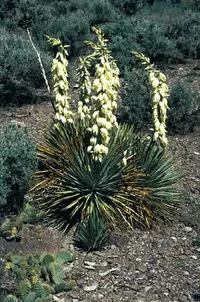
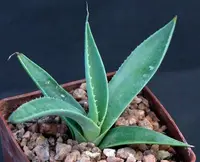
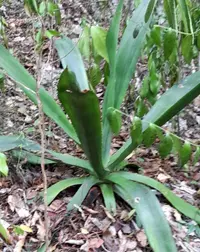
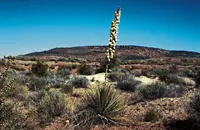
Spanish bayonet (Yucca harrimaniae) is a compact, clumping yucca native to arid regions of the southwestern United States. It forms dense rosettes of stiff, narrow, sharply pointed leaves that give it a bold, architectural look in rock gardens and dry landscapes. In season, it sends up tall flower stalks with creamy white blooms that attract pollinators and add strong vertical interest. This species is adapted to intense sun, wind, and poor, rocky soils, which makes it drought tolerant but sensitive to excess moisture and poor drainage. Understanding how to care for Spanish bayonet usually comes down to providing plenty of light and keeping the soil dry between waterings.

Care Difficulty
Easy Care

Light Preference
Full Sun

Water Requirements
Low Water

Temperature Preference
Cold Hardy

Hardiness Zone
4–9

Soil Texture
Sandy, Rocky, Loamy

Soil pH
Slightly acidic (6.5–7.0), Slightly alkaline (7.0–7.5)

Soil Drainage
Well-drained

Fertilization
Minimal (feed rarely)
Scan your plant to receive care tips personalized for your specific plant
Available on iOS and Android
Yucca harrimaniae thrives in strong, direct sun typical of arid habitats.
This desert yucca prefers infrequent, deep watering and very fast-draining soil.
This species is adapted to wide temperature swings but still has clear limits.
Yucca harrimaniae handles dry air very well, so humidity is rarely a concern indoors or outdoors.
This species prefers very fast-draining, mineral-rich soil that mimics its native desert slopes.
This species can be grown in containers if the pot and medium stay very well drained and stable.
This desert-adapted species needs only light feeding in containers and usually none in lean, well-drained garden soil when caring for Spanish bayonet.
Yucca harrimaniae benefits from occasional cleanup pruning to maintain a tidy, compact rosette.
This compact yucca is usually grown in the ground, where it dislikes frequent disturbance and only needs transplanting when truly necessary.
Yucca harrimaniae is most often propagated by offsets and seeds, both suited to patient growers in dry conditions.
This species is quite cold hardy in well-drained soil and usually needs minimal winter care outdoors.

Plant Health Check
Not sure what's wrong with your plant? Check your plant's health inside the app.
This species naturally forms very low, dense rosettes that hug the ground in exposed mountain habitats of Utah and adjacent states, an adaptation that reduces wind damage and water loss in harsh, high-elevation environments.
Its fruits are dry, leathery capsules that split open when mature, releasing flat black seeds that are dispersed mainly by gravity and surface runoff on rocky slopes.
Unlike many warm-desert yuccas, this species tolerates prolonged frost and snow cover in its native range, reflecting its evolution in cooler semi-arid climates rather than hot lowland deserts.

Yucca harrimaniae was one of the species central to early studies on specialized pollination mutualisms between yuccas and yucca moths, helping scientists document how the moth deliberately collects and packs pollen into the flowers and then lays eggs so that both the insect larvae and the plant benefit from this tightly coevolved relationship.
Leaf browning usually comes from cold damage, physical injury from the sharp leaves, or salt buildup in the root zone. Check for frost exposure, mechanical damage, or crusted soil, then remove worst leaves and improve drainage.
Keep your plants happy and healthy with plant identification, disease detection, and easy care guidance.