Arkansas yucca Care (Yucca arkansana)

Arkansas yucca

About Arkansas yucca

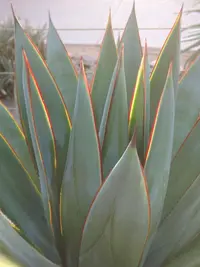
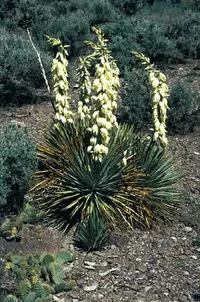
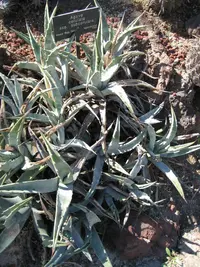
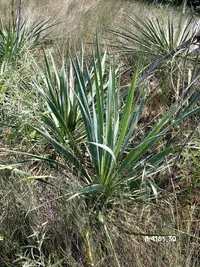
Arkansas yucca (Yucca arkansana) is a hardy, trunkless yucca that forms low, dense clumps of stiff, narrow leaves with sharp tips. The foliage stays close to the ground, giving a spiky, architectural look.

In late spring to early summer, it sends up tall flower stalks with many white, bell-shaped blooms that attract pollinators. It is native to prairies and rocky slopes in the south-central United States.

This species tolerates drought, poor soils, and high heat, which makes it relatively easy to grow in dry, sunny landscapes. Understanding how to care for Arkansas yucca mainly involves providing strong light, good drainage, and avoiding consistently wet soil.

Main Plant Requirements

Care Difficulty

Easy Care

Light Preference

Full Sun

Water Requirements

Low Water

Temperature Preference

Cold Hardy

Hardiness Zone

4–9

Soil Texture

Sandy, Loamy, Rocky

Soil pH

Slightly acidic (6.5–7.0), Slightly alkaline (7.0–7.5)

Soil Drainage

Well-drained

Fertilization

Minimal (feed rarely)

Get Personalized Care Plan

Scan your plant to receive care tips personalized for your specific plant

Available on iOS and Android

How to Care for the Arkansas yucca

This sun-loving prairie yucca thrives in open, bright conditions with mostly direct exposure.

  • Provide 6–10 hours of full sun daily; morning to early-afternoon sun is ideal for strong, compact growth.
  • Plant Arkansas yucca where it gets at least 4 hours of unshaded light; it tolerates very light afternoon shade in hotter regions.
  • Too much deep shade causes weak, leaning leaves and reduced flowering, while intense reflected heat from walls or pavement can scorch foliage in drought periods.

This desert-adapted species prefers infrequent, deep watering and very fast drainage.

  • Outdoors in the ground, water only when the top 5–8 cm of soil are completely dry, then soak thoroughly and let excess drain away.
  • Reduce watering in cool seasons; in winter, many established plants in normal rainfall areas need no supplemental water at all.
  • Signs of overwatering include yellowing, soft leaf bases and stem rot, while severe underwatering shows as folding, browning leaf tips on very dry soil.

This hardy yucca tolerates a wide temperature range but performs best in moderate warmth.

  • Active growth occurs around 65–85°F (18–29°C), with best performance in dry air and well-drained soil.
  • Mature plants tolerate cold down to about -10°F (-23°C) with dry roots; extended wet cold below 20°F (-7°C) increases rot risk.
  • It handles summer heat up to 100–105°F (38–41°C) if soil drains quickly; mulch lightly in exposed, windy sites to buffer rapid temperature swings.

This species tolerates a wide humidity range and rarely needs special humidity management indoors or outdoors.

This species needs very fast-draining, mineral-rich soil to prevent root and crown rot.

  • Use a sandy or gravelly mix with coarse particles that allow water to pass through quickly and keep roots well aerated.
  • Combine roughly 50–70% mineral components (coarse sand, small gravel, perlite or pumice) with 30–50% lean, low-organic garden loam or cactus mix.
  • Aim for slightly acidic to slightly alkaline conditions, around pH 6.0–7.5, which Arkansas yucca tolerates comfortably.
  • Avoid dense, water-retentive substrates such as straight compost or clay-based mixes, as they hold moisture around the root collar for too long.

This species can be grown in containers if the pot and substrate prevent waterlogging and tipping.

  • Choose a deep, heavy container that counterbalances the tall, narrow rosette and reduces the risk of wind tipping.
  • Select a pot with multiple drainage holes so water exits quickly, then elevate it slightly on pot feet to keep outlets clear.
  • Fill the container with an extra-gritty cactus or succulent mix so water drains within seconds and the root zone stays airy.

This drought-adapted species needs only light, occasional feeding in poor soils.

  • Apply a balanced slow-release fertilizer (around 10-10-10) once in spring if growth appears weak or soil is very sandy.
  • Use compost or well-aged manure as a surface mulch in early spring for long-term nutrient supply.
  • If using liquid feed, dilute to 25–50% strength and apply no more than once in mid-spring and mid-summer.
  • Stop feeding Arkansas yucca by late summer and avoid any fertilizer in fall and winter to prevent soft, frost-prone growth.

Pruning Yucca arkansana is mainly cosmetic and focused on removing old or damaged growth.

  • Carry out main pruning in late winter to early spring before strong new growth starts.
  • Remove dead, diseased, or badly damaged leaves at the base using clean, sharp hand pruners.
  • Trim spent flower stalks down to the rosette once seeds have matured or been collected.
  • Limit pruning to outer, oldest leaves so the rosette shape and future flowering are not reduced.

This yucca is usually grown in the ground, with transplanting needed only when crowding or poor siting becomes a problem.

  • Transplant clumps in early spring when new growth is just starting and soil is workable.
  • Look for signs such as offsets crowding each other, bare centers, or poor performance in heavy, waterlogged soil.
  • Lift the plant with a wide root ball, shake off excess soil gently, and trim any rotten or broken roots with clean tools.
  • Replant at the same depth in sharply drained soil, water once to settle, then allow the root zone to dry between future waterings to reduce transplant stress.

Yucca arkansana is most often propagated by division of offsets, with seeds used mainly by advanced growers.

  • Divide offsets in early spring, choosing pups with several leaves and a portion of the rhizome or root attached.
  • Allow cut or broken surfaces to dry and callus for 1–2 days in shade before planting to limit rot risk.
  • Plant divisions in coarse, very free-draining mix, then water lightly and keep in bright light until established.
  • For seed, provide warm temperatures (70–80°F), a gritty mix, and even, light moisture until germination.

This yucca is naturally cold hardy and usually needs minimal winter attention in most temperate climates.

  • Established plants tolerate substantial frost and snow once roots are well-drained.
  • In colder areas, apply a 5–8 cm layer of dry mulch around, but not touching, the crown to buffer freeze–thaw cycles.
  • Container plants are less hardy; move them to a cold, bright, frost-free spot and keep soil almost dry.

Care Tips

Promote tight rosettes

Plant in an open, low-competition spot and periodically remove encroaching turf or groundcovers so the rosettes stay compact and are not shaded or crowded by aggressive neighbors.

Encourage strong offsets

Each spring, gently uncover and loosen the soil surface around the base with a hand fork to expose small offsets to light and air, which encourages stronger pup development and a fuller clump over time.

Safe division technique

To divide a mature clump, use a long spade to slice out individual offsets with at least 5–8 cm of attached root, let cut surfaces dry for 1–2 days in shade, then replant at the same depth to minimize rot risk.

Winter crown protection

In regions with wet winters, build a low gravel or coarse sand mound around the crown to improve drainage and gently tilt the rosette slightly so excess water sheds away from the center.

Flower stalk management

After flowering, cut old stalks back close to the rosette and remove any lodged or broken stems promptly so they do not trap moisture or create entry points for pests when growing Arkansas yucca.

Common Pests and Diseases

Yucca moth larvae

This pest uses the plant as a host, and larvae may burrow into developing flower stalks and seed pods, weakening or deforming them. Symptoms include hollowed flower stalks, premature pod drop, and frass (sawdust-like droppings).

Solution

Remove and destroy affected flower stalks and seed pods before larvae complete development, and clean up fallen pods and debris around the plant. In small gardens, limit seed set by cutting spent flower stalks promptly; this reduces larval habitat while still allowing the plant to bloom.

Scale insects

These insects attach to leaves and stems, sucking sap and causing yellowing, stippling, and general weakening of the rosette. Symptoms include small, dome-shaped or flat bumps that can be scraped off, sometimes with sticky honeydew on lower leaves or nearby surfaces.

Solution

Manually remove scales by gently scraping with a fingernail or soft brush, then wipe leaves with a cloth dipped in diluted insecticidal soap or horticultural oil. Repeat treatments every 7–10 days for several cycles, and reduce plant stress by ensuring high light and well-drained soil to support long-term Yucca arkansana plant care.

Yucca weevil

This pest bores into the crown or stem tissue, causing wilting, collapse of central leaves, and sometimes plant death. Symptoms include notched leaf margins from adult feeding and soft, rotting crown tissue with internal tunneling by larvae.

Solution

Cut out and destroy severely infested plants or rosettes to prevent spread, and discard all infested tissue in the trash rather than composting. For early or mild cases, remove affected crown sections, improve drainage, and avoid overhead irrigation so remaining tissue can dry and harden, then monitor closely for new damage.

Leaf spot (fungal)

This disease produces small, water-soaked or tan spots on leaves that may enlarge, darken, and merge under humid or wet conditions. Symptoms include cosmetic spotting, leaf yellowing, and premature shedding of older leaves, especially where water sits on foliage.

Solution

Prune and discard heavily spotted leaves and increase spacing and airflow around the plant so foliage dries quickly after rain or irrigation. Water at soil level rather than overhead, and in persistent cases apply a copper- or chlorothalonil-based fungicide labeled for ornamental foliage, following label directions carefully.

Crown rot (fungal)

This disease affects the central growing point when water accumulates in the rosette or soil remains wet for long periods, leading to soft, discolored tissue and collapse of inner leaves. Symptoms include a foul odor, mushy crown, and leaves that pull away easily from the base.

Solution

Cut out and discard all soft, rotted tissue, allowing remaining firm tissue to dry, and reduce or stop watering until the soil is completely dry. To prevent recurrence, plant in very well-drained, gritty soil, avoid low spots where water collects, and orient and prune rosettes so water does not stand in the crown, especially in cool or humid climates where growing Arkansas yucca can be more challenging.

Interesting Facts

Great Plains specialist

This species is native to the central United States, especially the prairies and rocky glades of Arkansas, Oklahoma, Kansas, and Missouri, where it grows in thin, drought-prone soils that many other perennials cannot tolerate.

Underground survival stem

Yucca arkansana often has a mostly subterranean caudex, a thickened stem base that stores water and nutrients, helping the plant resprout after fire, grazing, or drought.

Night-scented flowers

Its white to greenish bell-shaped flowers are most fragrant at night, which helps attract nocturnal pollinators such as moths in its native habitats.

Botan icon

Did you know?

Yucca arkansana serves as a larval host for specialized yucca moths that lay eggs in its flowers; in return, the moths pollinate the plant, creating a tightly coevolved mutualism where both the insect and the plant depend on each other for reproduction.

FAQs about Arkansas yucca

Lack of flowering often comes from insufficient maturity, too much shade, or excess nitrogen fertilizer. This species usually needs full sun, several years of growth, and well-drained, lean soil before producing tall flower stalks.

Grow Healthy Plants with Botan Care

Keep your plants happy and healthy with plant identification, disease detection, and easy care guidance.

Botan plant care app — identify plants on mobile

Explore More Plants