Bumpy Astroloba Care (Astroloba corrugata)

Bumpy Astroloba

About Bumpy Astroloba

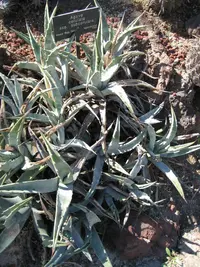
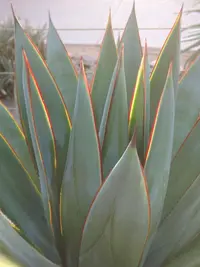
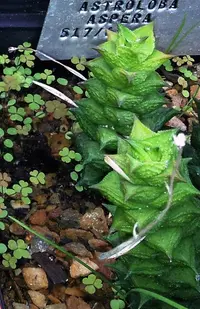
Bumpy Astroloba (Astroloba corrugata) is a compact succulent from arid regions of South Africa. It forms slow-growing clumps of upright, architectural stems. The leaves are thick, firm, and arranged in tight spirals, with distinctive bumpy, ridged surfaces that give the plant its common name. This structure makes it highly ornamental on windowsills and in rock or succulent collections. Astroloba corrugata evolved to handle strong light, rapid drainage, and limited rainfall, which makes it relatively forgiving indoors if overwatering is avoided. Understanding how to care for Bumpy Astroloba mainly involves controlling moisture and providing enough light without extreme heat.

Main Plant Requirements

Care Difficulty

Moderate Care

Light Preference

Partial Sun

Water Requirements

Low Water

Temperature Preference

Warm Climate

Hardiness Zone

10–11

Soil Texture

Sandy, Loamy, Rocky

Soil pH

Slightly acidic (6.5–7.0), Neutral (7.0)

Soil Drainage

Well-drained

Fertilization

Minimal (feed rarely)

Get Personalized Care Plan

Scan your plant to receive care tips personalized for your specific plant

Available on iOS and Android

How to Care for the Bumpy Astroloba

This compact South African succulent prefers bright, gentle light that mimics an open, lightly shaded rocky habitat.

  • Provide 4–6 hours of bright morning sun with light afternoon shade; east or southeast exposure suits Bumpy Astroloba well outdoors.
  • Use filtered light or dappled shade in hot climates to prevent leaf scorch, browning tips, or a washed-out, yellow-green color from excessive direct sun.
  • If stems stretch or leaves space out, light is too low; increase exposure gradually, especially from late winter to spring to avoid sudden sunburn.

This drought-adapted succulent needs infrequent, thorough watering and fast-draining soil to protect its roots.

  • Water only when the top 3–5 cm of soil are completely dry; in active growth this may mean every 10–21 days depending on heat, wind, and soil mix.
  • Reduce watering sharply in cool seasons, giving just enough to prevent shriveling; in winter-dormant conditions, very sparse watering is safer for Astroloba corrugata.
  • Use gritty, sharply draining soil and a free-draining site; soft, pale leaves, mushy roots, or a sour smell indicate overwatering, while firm wrinkling signals mild thirst.

This species prefers warm, dry conditions with mild seasonal variation and good air movement.

  • Aim for 65–80°F (18–27°C) for steady growth, with slightly cooler nights; avoid sudden temperature swings, especially when light is intense.
  • Protect from frost; brief dips to about 32°F (0°C) may be survived if very dry, but tissue damage is likely, so shelter plants before hard freezes.
  • In hot spells above 95°F (35°C), give afternoon shade and extra airflow; avoid reflected heat from walls or paving that can overheat roots and foliage.

This succulent tolerates typical indoor humidity and rarely needs special humidity management.

  • Aim for 30–50% relative humidity, which matches most heated and air-conditioned homes.
  • Dry air is usually tolerated, but very hot, dry drafts can cause leaf tips to shrivel and brown.
  • If air is extremely dry, place Bumpy Astroloba near other plants or on a pebble tray, not under a mister.

Astroloba corrugata requires a sharply draining, mineral-based mix to prevent root rot.

  • Use a gritty, sandy mix such as 50–70% inorganic material (pumice, coarse perlite, gritty sand) with 30–50% cactus potting mix.
  • Ensure water runs through freely and the mix dries within 2–4 days after watering to protect the succulent roots.
  • Aim for slightly acidic to neutral pH, around 6.0–7.0, which suits most commercial cactus blends.
  • Avoid dense, peat-heavy, or clay-rich substrates that stay wet, and break up any fine particles that reduce aeration.

This species is well suited to container growing when drainage and root space are managed carefully.

  • Choose a pot only 2–4 cm wider than the root ball so the mix dries evenly between waterings.
  • Select unglazed terracotta in humid or cool climates to let excess moisture evaporate faster from the root zone.
  • Elevate the container slightly on feet or pot risers so drainage holes stay clear and water cannot pool under the base.

This succulent needs modest feeding, focusing on light support during active spring–summer growth.

  • Use a diluted balanced liquid fertilizer (around 10-10-10) at 1/4–1/2 strength for Astroloba corrugata every 4–6 weeks in the growing season.
  • Alternatively, apply a small amount of slow-release cactus fertilizer once at the start of spring.
  • Avoid rich compost or heavy organic feeds that keep soil wet and salty.
  • Stop feeding Bumpy Astroloba in fall and winter to respect its semi-dormant rest period.

Astroloba corrugata needs minimal pruning, mainly to keep rosettes healthy and neat.

  • Best timing is late winter to early spring, before strong new growth starts.
  • Remove dead, shriveled, or damaged leaves at the base with clean, sharp scissors or pruners.
  • Cut away crowded or etiolated stems to maintain a compact clumping shape and better light access.
  • Discard diseased material and sterilize tools with alcohol to limit rot or fungal spread.

This slow-growing succulent prefers infrequent repotting and slight root crowding.

  • Repot every 3–4 years, or when roots circle the pot, emerge from drainage holes, or growth slows without another cause.
  • Choose late spring for repotting, using a shallow pot with grittier cactus mix to improve drainage.
  • Unpot gently, tease roots lightly, trim dead roots, and allow the plant to sit bare-root for 1 day if cuts are present.
  • Replant at the same depth, keep soil barely moist for 1–2 weeks, and shade from intense sun to reduce transplant stress.

This species is most commonly propagated by offsets, with seeds used less often at home scale.

  • In late spring or early summer, detach firm offsets from the parent clump using a clean, sharp knife.
  • Let cut surfaces dry and callus for 3–5 days in a warm, airy place to reduce rot risk.
  • Plant offsets in a gritty, slightly moist cactus mix, providing bright indirect light and 70–80°F temperatures for rooting.
  • For seed, sow on the surface of well-draining mix, keep slightly moist, and provide warmth and bright light for slow germination.

In most temperate climates this succulent needs cool, very dry winter conditions and strict frost avoidance.

  • Move container plants indoors or to a bright, frost-free spot when outdoor temperatures approach 35°F.
  • Aim for 45–55°F in winter with maximum light and very low air humidity.
  • Water sparingly, only enough to prevent complete shriveling, and do not fertilize during winter.
  • Ensure pots stay dry, away from cold window drafts and condensation that can trigger rot.

Care Tips

Rotate For Symmetry

Turn the pot 90° every 2–3 weeks so the rosettes receive even light and develop a balanced, compact form rather than leaning to one side.

Use Top-Dressing Grit

Apply a 0.5–1 cm layer of inert gravel or pumice on the soil surface to keep the leaf bases dry, reduce fungus gnat breeding, and improve air flow around the crown.

Cool-Season Growth Boost

Plan any light repotting, division, or offset removal for the plant’s main growth period in cooler months, as it roots and recovers more reliably when daytime temperatures stay below 80°F.

Offset Management

Remove only well-formed offsets with their own small root system using a clean, sharp knife, and let cut surfaces dry 2–3 days before replanting to reduce rot risk when growing Bumpy Astroloba.

Summer Heat Protection

During very hot spells or heatwaves, move containers to a spot with bright shade and strong air movement to prevent leaf scorch and stress that can trigger long-term shriveling of the ridged leaves.

Common Pests and Diseases

Aloe mite

This pest causes distorted, swollen, and warty growths on leaves and stem tips, often forming corky or tumor-like galls in the leaf grooves. Symptoms include rough, irregular tissue that looks very different from the plant’s normal natural ridging.

Solution

Remove and discard all affected leaves or entire heads well below the damaged tissue, using sterilized tools, and isolate the plant from other succulents. Improve air movement, avoid overhead watering, and if new galls continue to appear, treat surrounding healthy tissue with a sulfur-based miticide labeled for ornamental succulents while monitoring nearby Aloe and Haworthia relatives.

Aloe scale

These insects appear as small, hard, brown or gray bumps along leaf edges and bases, often clustered in the narrow grooves between ridges. This pest feeds on sap, causing yellowing patches, reduced vigor, and sticky honeydew that may support sooty mold growth.

Solution

Gently scrub leaves with a soft brush or cloth dipped in diluted insecticidal soap or alcohol solution, focusing on leaf grooves and bases, then rinse thoroughly and allow to dry in bright, airy conditions. Repeat treatments every 7–10 days until no new scale appears, and keep the plant in lower humidity with good airflow to reduce reinfestation while monitoring other nearby aloes and related succulents.

Mealybugs

These insects form white, cottony clusters in leaf axils, root necks, and tight crevices, sometimes hiding deep in the corrugated leaf channels. This pest weakens the plant by sucking sap and excretes honeydew, which can attract ants and promote sooty mold.

Solution

Remove visible mealybugs with a cotton swab dipped in isopropyl alcohol, then wash the plant thoroughly with insecticidal soap, ensuring the solution reaches leaf bases and between ridges. For heavier infestations, unpot the plant to inspect roots for soil mealybugs, trim affected roots, repot in fresh, fast-draining mix, and continue spot treatments weekly until the plant remains clean for several weeks.

Bacterial soft rot

This disease causes sudden, foul-smelling, water-soaked patches at the base of leaves or stems, which quickly collapse into slimy tissue. Symptoms include dark, mushy areas that spread rapidly in warm, humid, or poorly ventilated conditions.

Solution

Cut away all affected tissue well into healthy, firm material using sterilized tools, then dust the cuts with sulfur or a dry fungicide powder and let the plant dry in a warm, airy place before replanting. Reduce watering, keep the crown dry, improve ventilation, and avoid splashing water into the leaf rosette to limit bacterial spread and protect nearby succulents.

Sun scorch

Symptoms include bleached, yellow-white, or brown patches on the upper leaf surfaces, especially on plants moved too quickly from shade to intense sun. This disorder damages the epidermis, leaving permanent scars and increasing sensitivity to further stress.

Solution

Move the plant to bright but filtered light and gradually increase sun exposure over 1–2 weeks, avoiding sudden placement in harsh midday sun. Remove only severely damaged leaves once the plant stabilizes, adjust watering so the soil dries fully between light waterings, and use shade cloth or a lightly shaded window to prevent future scorch while still allowing strong light for growing Bumpy Astroloba.

Interesting Facts

Distinctively corrugated leaves

This species is named for its strongly ridged, corrugated leaf surfaces, which form regular, geometric patterns along the rosettes and help distinguish it from other members of the genus and from haworthias and aloes.

Narrow range in Namaqualand

It is naturally restricted to arid parts of Namaqualand in South Africa, where it grows on rocky slopes and gravelly flats, often in partial shade among stones and low shrubs.

Summer drought adaptation

In habitat it experiences very dry, hot summers and does most of its active growth in cooler periods, often partially retracting and dulling in color during peak heat to reduce water loss.

FAQs about Bumpy Astroloba

Brown leaf tips or patches usually come from underwatering, intense direct sun, fertilizer salts, or cold drafts. Check soil moisture, flush excess salts when repotting, protect from frost, and avoid sudden environmental changes to stabilize the plant.

Grow Healthy Plants with Botan Care

Keep your plants happy and healthy with plant identification, disease detection, and easy care guidance.

Botan plant care app — identify plants on mobile

Explore More Plants