



7 min read · 24 Aug 2026
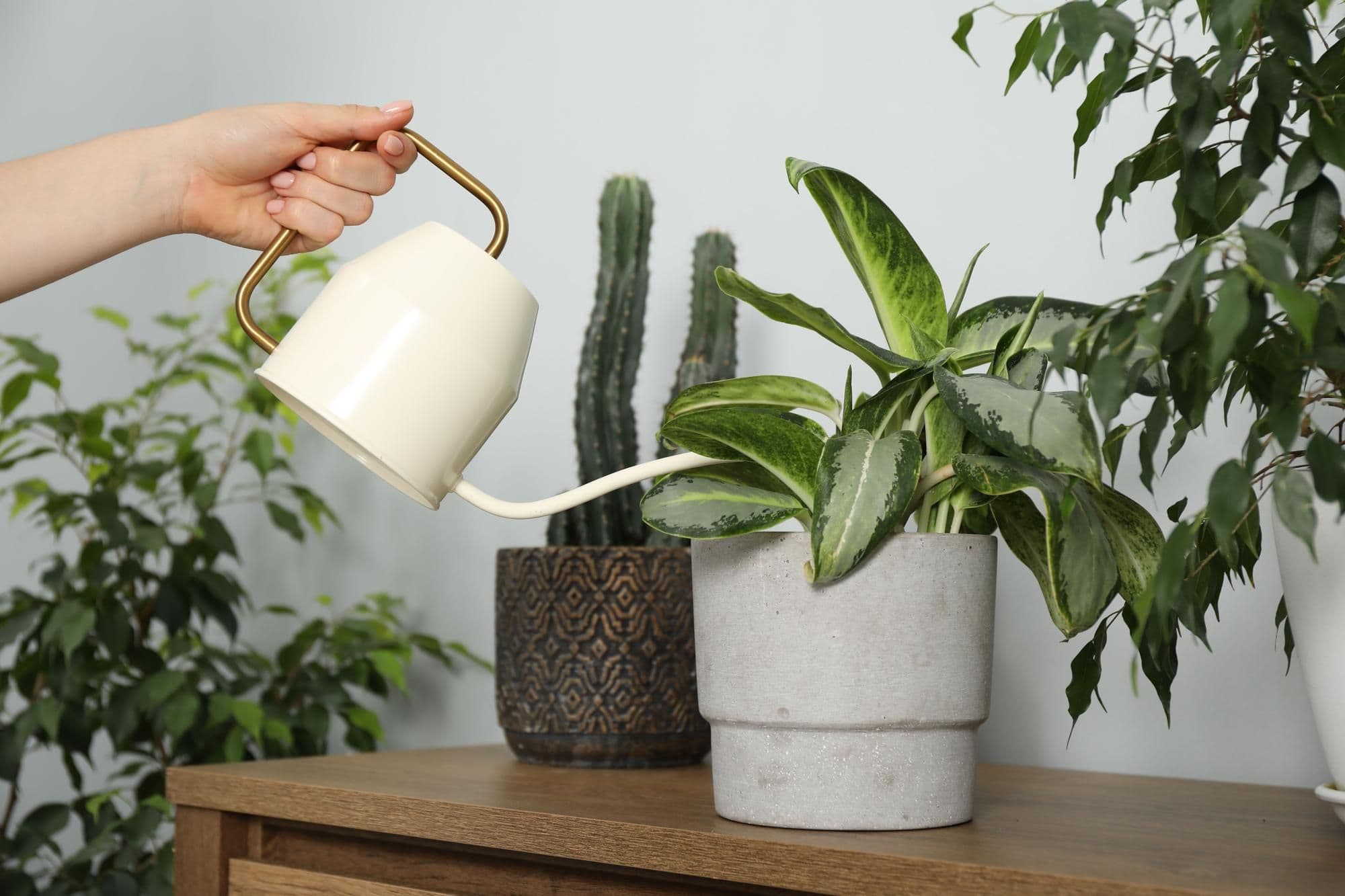
How to Water Houseplants: Watering Guide
Learn how often to water indoor plants, key factors for proper watering, and how to adjust the care routine by plant type, season, pot size, light, and indoor conditions.
Plant Care

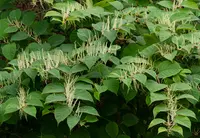
Recognize Meadowsweet by its upright clumps, leaves divided into several paired side leaflets plus a much larger terminal leaflet, and broad, flat-topped clusters of many small creamy-white flowers.
Plants typically reach 3 to 4 feet (0.9 to 1.2 m) tall, with leaves arranged alternately along stout stems.
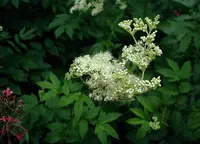
Use a clear photo to confirm what plant you have.
Clear images work best. Avoid photos taken too close or too far away
Check the overall form first, then the leaves and flower heads.
Filipendula ulmaria shows clear visual shifts from early leaf rosettes to fruiting stems.
In spring, Meadowsweet forms fresh, divided green leaves from the base and sends up upright stems. By early to midsummer, the plant is easiest to spot when flat-topped clusters of small, creamy white flowers rise above the foliage. After flowering, the pale blooms fade and give way to small, twisting seedheads. In late fall and winter, the top growth dies back, leaving no woody structure.
A few moisture-loving perennials can be mistaken for Meadowsweet at first glance.
dropwort(Filipendula vulgaris)
Both have frothy white flower clusters. Dropwort stays shorter, often 12-32 inches (30-80 cm), and its leaves are much finer and more fern-like, not broad and sharply toothed.
queen-of-the-prairie(Filipendula rubra)
This close relative also makes tall plumes and divided leaves. It usually has pink flowers rather than creamy white, and the leaflets are larger and more deeply cut.
goat's beard(Aruncus dioicus)
Its tall white flower plumes can suggest the same overall effect. Goat's beard has compound leaves with separate leaflets, while Filipendula ulmaria has interrupted pinnate leaves with a larger terminal leaflet.
Filipendula ulmaria is native across much of Europe and temperate Asia, and it is also long established in parts of North America. In identification, that range matters most when a similar plant is found in wetter temperate landscapes rather than dry ground. It typically grows in damp meadows, fen margins, marsh edges, wet woodland, and along streams, ditches, and riverbanks. Seeing it rooted in consistently moist to wet places helps narrow the identification, especially in lowland habitats.

Quick Plant ID Check
Not sure what plant you have? Take a photo and identify it in the app
Use Botan to compare a photo and confirm the plant, which helps avoid mix-ups with similar species.
It forms small, dry fruits in a twisted cluster. Each individual fruit is an achene, a one-seeded dry fruit, and the grouped, spiraled heads can help with Meadowsweet identification after flowering.
Upload a photo to identify the plant, then get species-specific care information, safety notes, and common problems.

7 min read · 24 Aug 2026
Learn how often to water indoor plants, key factors for proper watering, and how to adjust the care routine by plant type, season, pot size, light, and indoor conditions.
7 min read · 6 Aug 2026
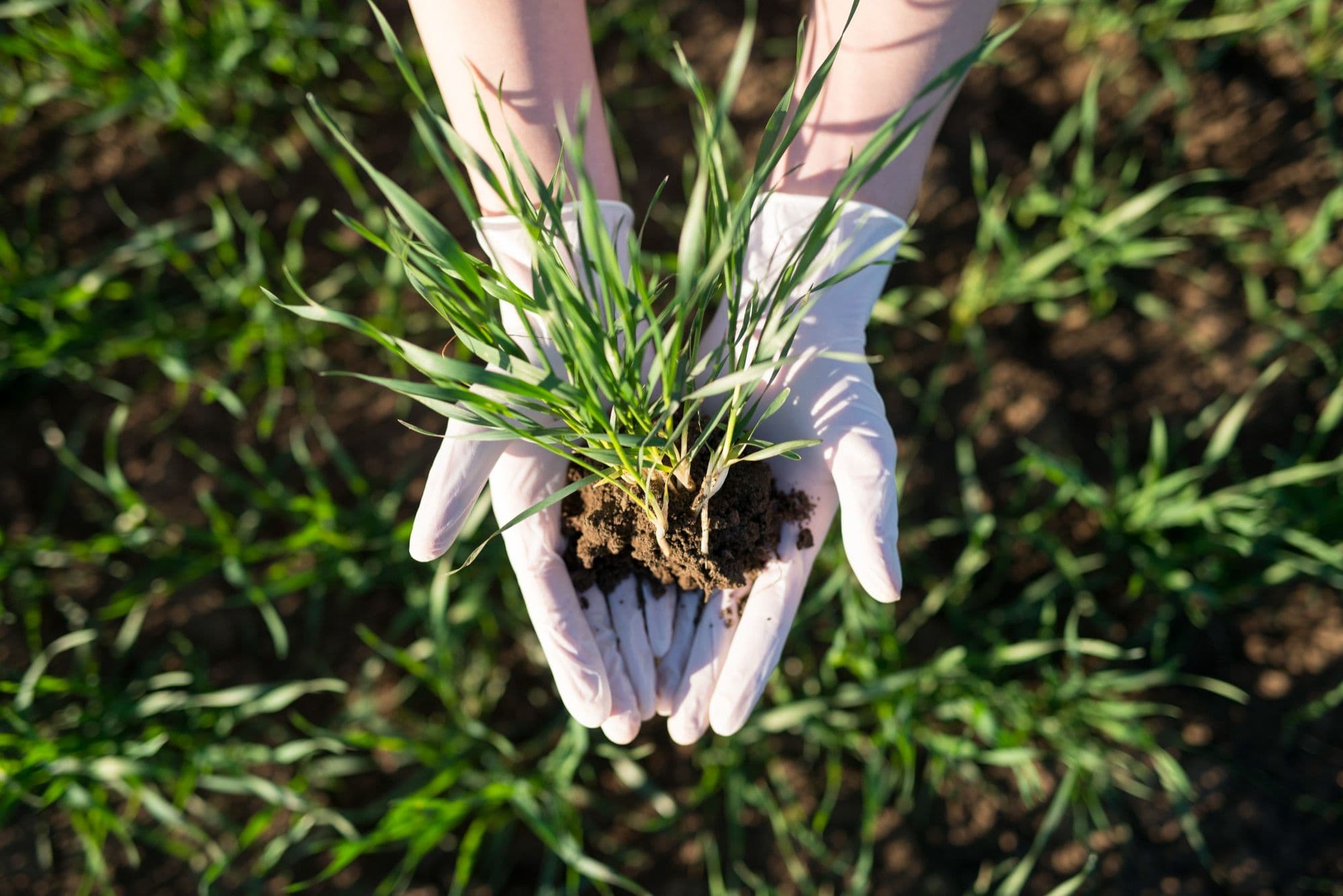
Summer seeding succeeds when the grass type suits the season, and the soil stays moist. Find out how to prepare the seedbed and choose a safe window for planting.
6 min read · 4 Aug 2026
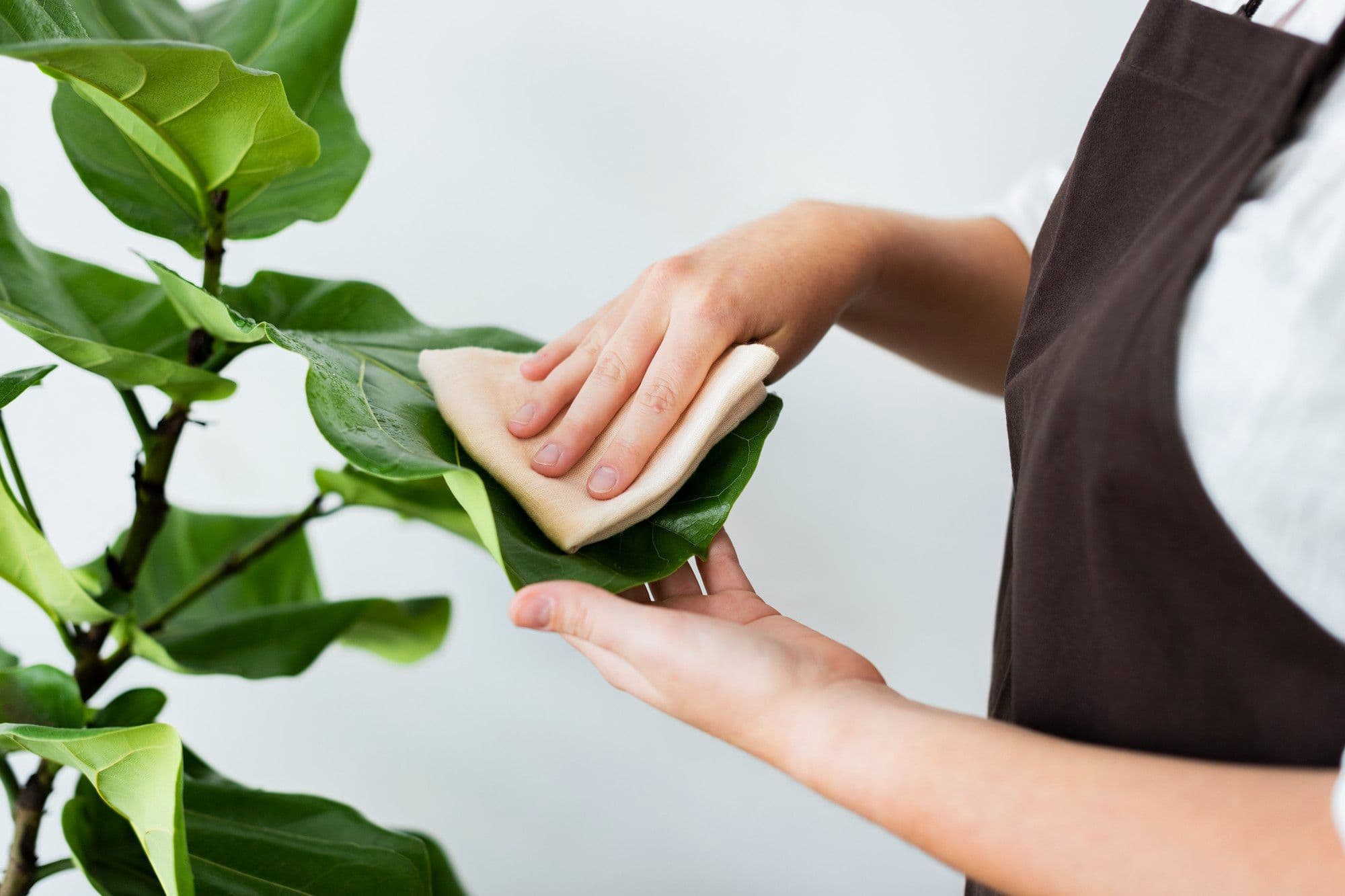
Dusty leaves look dull and don't absorb light well. Below, you'll find simple ways to clean them, which tools are truly effective, how often you should do it, and what causes damage.