


5 min read · 11 Sept 2026
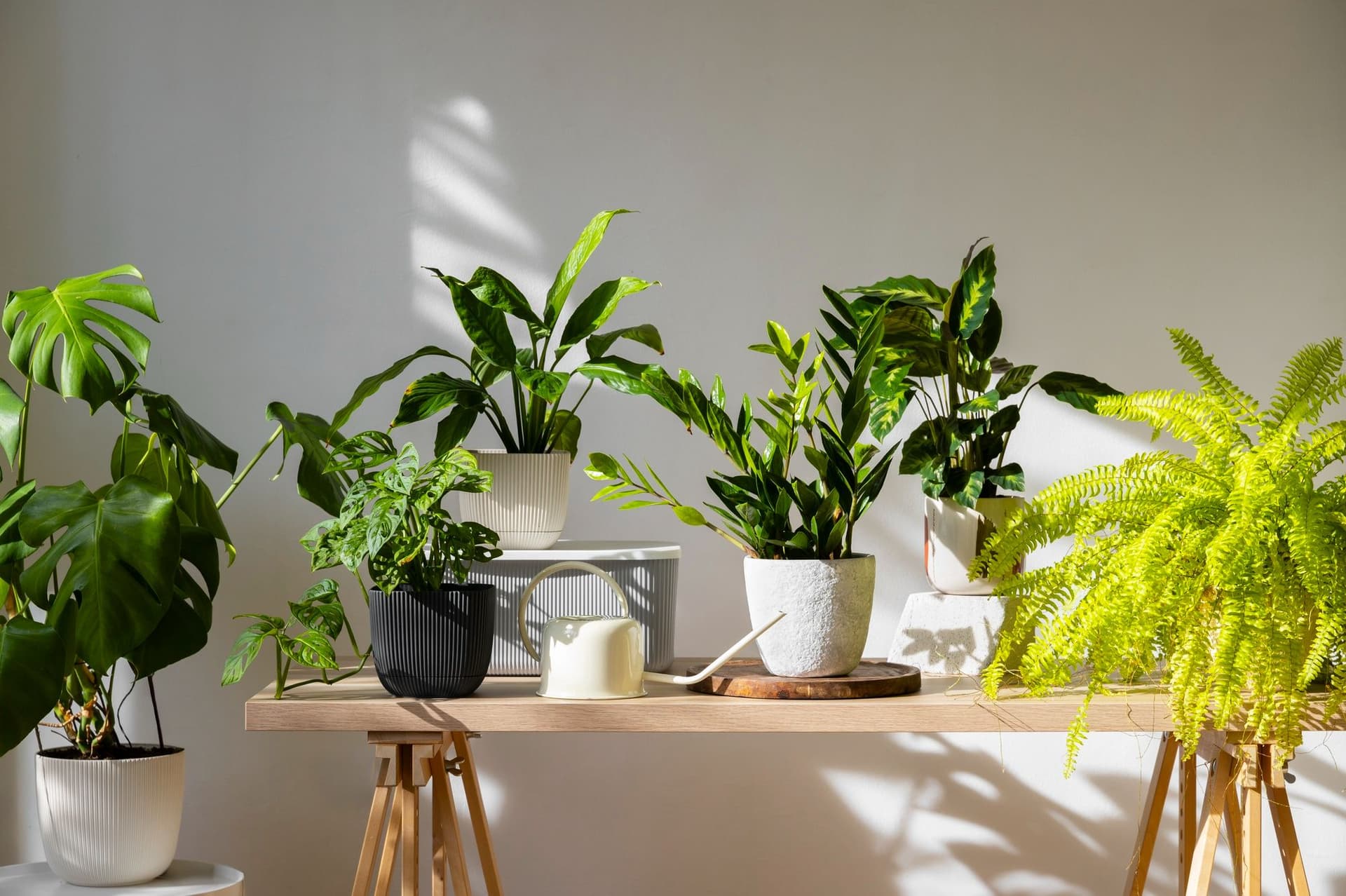
Top 5 Best Indoor Plants for Air Quality
Indoor plants can make a room feel fresher thanks to their air-purifying qualities. Here are 5 of the most suitable choices for your routine and living space.
Plant Recommendations


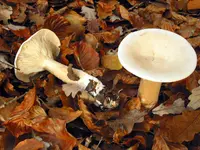
Recognize Trooping Funnel by its large funnel-shaped cap, usually 4-8 inches (10-20 cm) across, with a distinct central bump, crowded pale gills that run down the stem, and a stout stem that is often thicker at the base.
It commonly appears in rings or long troops, which adds another strong first-glance clue.
Upload a clear photo to check your plant identification with Botan.
Clear images work best. Avoid photos taken too close or too far away
Check the cap, gills, stem, and growth pattern first.
Use several of these features together before deciding on Infundibulicybe geotropa.
Trooping Funnel shows clear age-related changes in cap shape, margin, and gill proportions.
Infundibulicybe geotropa is most useful seasonally in fall, when its large funnel-shaped fruiting bodies appear, often in groups or rings. Caps usually develop a broad central bump and can become more deeply funnel-shaped with age. Outside the fruiting season, there is often little to see above ground, so this autumn appearance is the main visual clue.
A few funnel-shaped mushrooms are regularly confused with Trooping Funnel.
clouded funnel(Clitocybe nebularis)
Similar in size and pale gray-buff cap shape. It usually lacks the distinct central bump and has a more cloudy gray cap. Its gills are crowded and run down the stem.
giant funnel(Leucopaxillus giganteus)
Also large, pale, and funnel-shaped in rings or troops. It is usually broader, often 8-16 inches (20-40 cm) across, with a flatter cap and no pronounced umbo, the central bump.
fool's funnel(Clitocybe rivulosa)
Can share a pale funnel form, but it is much smaller, commonly 1-3 inches (2.5-7.5 cm) wide, and lacks the tall, robust stem of Infundibulicybe geotropa.
Infundibulicybe geotropa is widespread in Europe and also recorded in North America. Range alone is not enough for identification, but habitat is useful. It typically fruits on soil in deciduous or mixed woodland, along woodland edges, and in grassy clearings. Finding it in these settings helps separate it from similar funnel-shaped mushrooms tied to different habitats.
Identify Your Plant
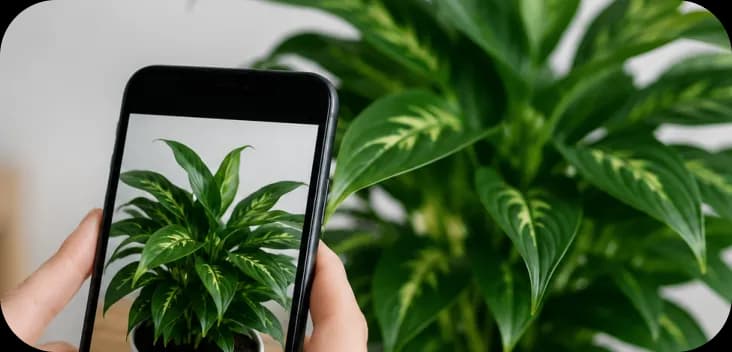
Scan your plant to get a quick ID
Upload a photo to compare key features and get help identifying or confirming what you found.
A large funnel-shaped cap with a broad central bump is the standout feature. Mature caps are often 4 to 8 inches (10 to 20 cm) wide, with crowded, strongly decurrent gills running down the stem.
Use Botan to identify it from a photo, then see plant details, safety notes, and common problems.

5 min read · 11 Sept 2026
Indoor plants can make a room feel fresher thanks to their air-purifying qualities. Here are 5 of the most suitable choices for your routine and living space.
8 min read · 17 Sept 2026
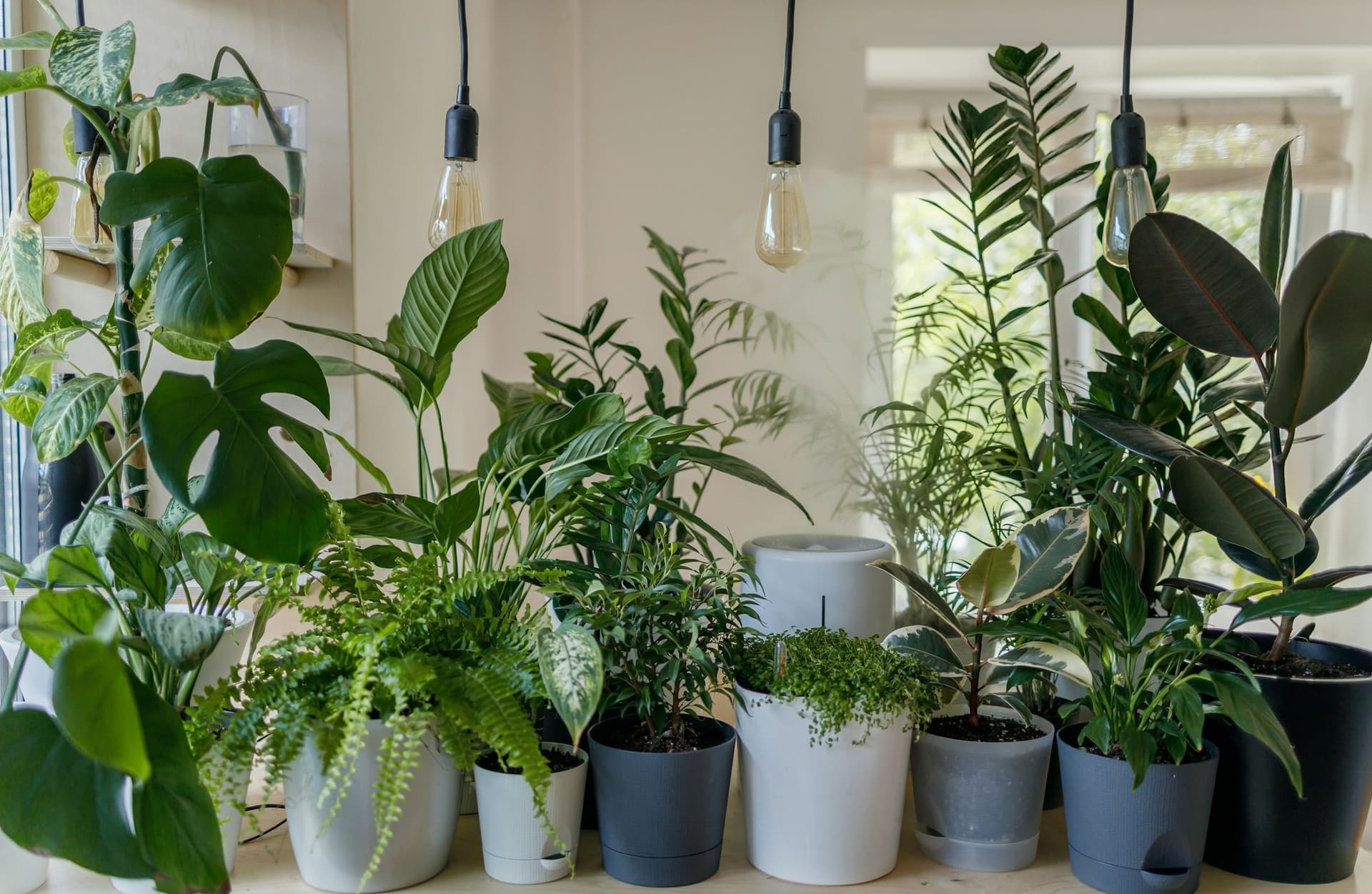
Some plants thrive in dim rooms, shaded corners, and places with indirect light. In this guide, you’ll explore the top 15 species best suited to low-light conditions and how to care for them.
6 min read · 8 Sept 2026
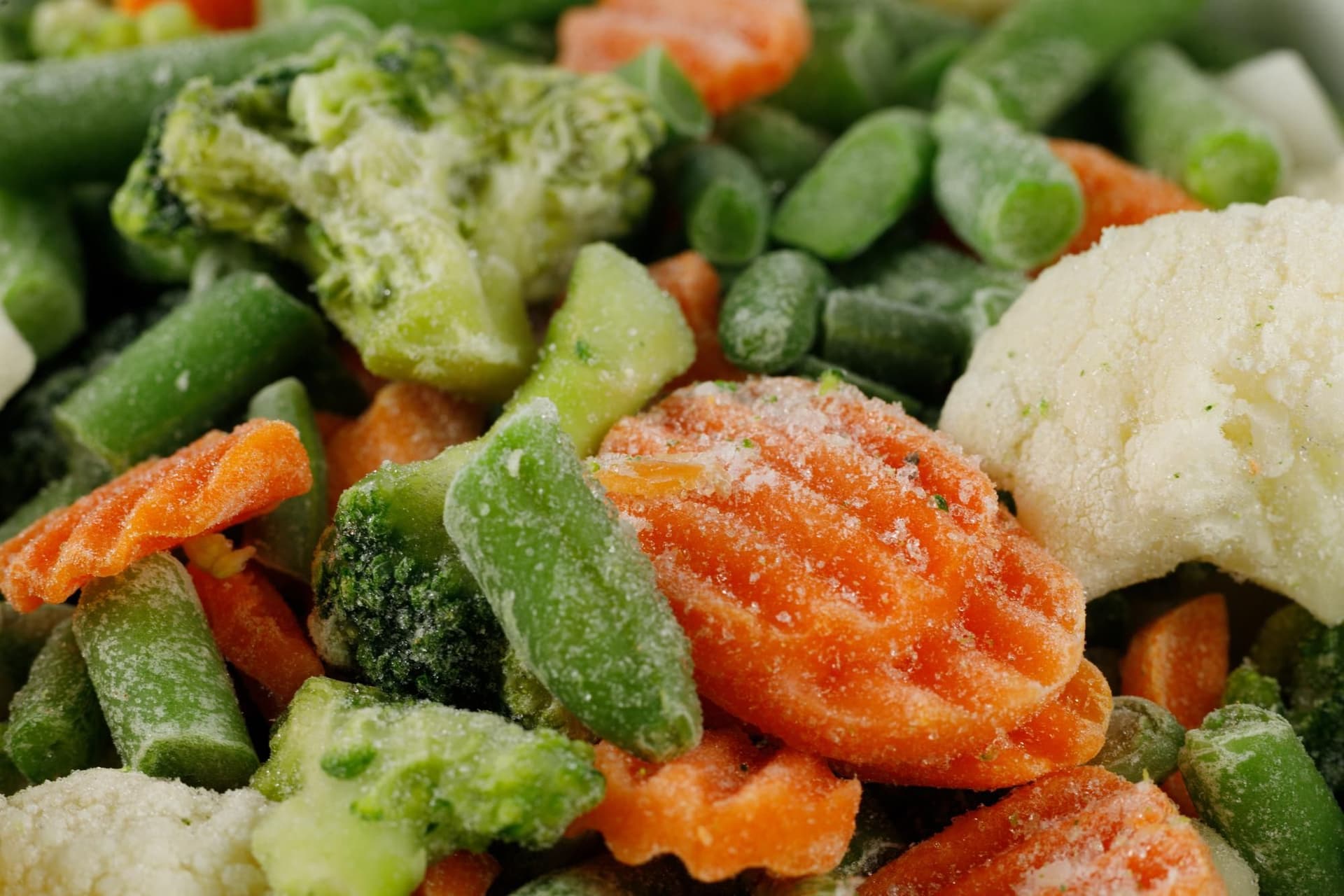
Frozen and fresh vegetables are nutritionally comparable: frozen produce often retains vitamins just as well as fresh and may sometimes contain more. Here’s how blanching and storage affect nutrients—and when to choose each.