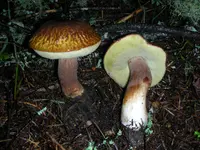
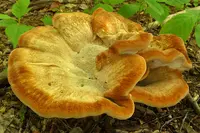
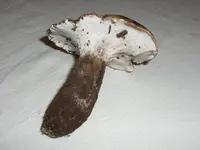
alder scalycap Care (Flammula alnicola)

alder scalycap

About alder scalycap

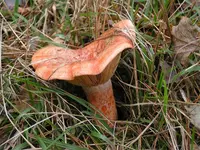
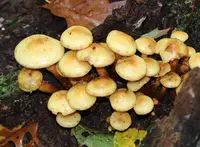
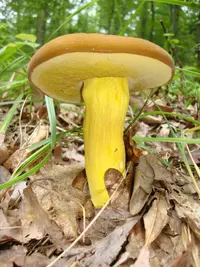
Alder scalycap, Flammula alnicola, is a small, wood-rotting mushroom rather than a true garden plant. It forms tight clusters of yellow to orange-brown caps on dead or dying wood, especially near alder and other broadleaf trees. The caps often have a slightly sticky or glossy surface in damp weather.

This species occurs mainly in temperate regions of the Northern Hemisphere, appearing in forests, woodlands, and sometimes in landscaped areas with buried wood or stumps. It is not suitable as an edible mushroom, and attempts to care for alder scalycap in a garden setting are uncommon. It favors cool, moist conditions and decaying wood, so cultivation is generally left to specialists and is not recommended for beginners.

Main Plant Requirements

Care Difficulty

Moderate Care

Light Preference

Partial Shade

Water Requirements

Keep Soil Moist

Temperature Preference

Cool Climate

Hardiness Zone

Unknown

Soil Texture

Loamy, Silty, Organic-rich

Soil pH

Acidic (5.5–6.5)

Soil Drainage

Moist but well-drained

Fertilization

Minimal (feed rarely)

Get Personalized Care Plan

Scan your plant to receive care tips personalized for your specific plant

Available on iOS and Android

How to Care for the alder scalycap

This saprophytic mushroom prefers bright but gentle forest-edge light rather than harsh, open exposure.

  • Provide 3–5 hours of dappled or filtered sun, ideally morning light through trees, with shade or deep dappled light by early afternoon.
  • Tolerates partial shade under alder and other deciduous trees; fruiting often declines in dense, low-light thickets where sunlight rarely reaches the wood.
  • Avoid intense, direct midday sun on exposed logs, which can dry substrates and reduce alder scalycap clusters, especially during late summer heat.

Moist but not stagnant conditions on decaying wood support reliable fruiting of this fungus.

  • Aim for consistently damp substrates; woody debris should feel moist 1–2 cm below the surface but not dripping or waterlogged.
  • In dry spells, fruiting bodies shrivel quickly; caps becoming brittle and gills drying indicate insufficient moisture in surrounding wood or leaf litter.
  • Persistent standing water, sour smell, or slimy, collapsing clusters suggest excessive saturation around Flammula alnicola, often reducing longevity and inviting competing molds.

This species fruits best in cool to mild conditions typical of temperate forests.

  • Optimal fruiting generally occurs around 50–65°F (10–18°C), often in autumn or cool, wet periods when wood moisture stays high.
  • It tolerates brief drops near 35°F (2°C) but fresh mushrooms are easily damaged by hard frost below 30°F (-1°C), which can halt visible growth.
  • Sustained heat above 77–82°F (25–28°C) with low humidity dries substrates and sharply reduces fruiting, though the underlying mycelium can persist in shaded, moist wood.

Humidity is not a key factor for Flammula alnicola, which naturally fruits in variable outdoor conditions.

Flammula alnicola is a wood-inhabiting fungus that relies on decaying, moist, aerated woody substrate rather than typical garden soil.

  • Use thoroughly rotted alder or similar hardwood chips, sawdust, or logs as the main substrate, keeping the texture loose and fibrous.
  • Ensure the substrate drains freely yet stays evenly moist; avoid compacted, waterlogged conditions that exclude air from the wood fibers.
  • Maintain a slightly acidic to neutral environment (pH about 5.5–7.0), which is typical of decaying hardwood and leaf litter.
  • Do not mix in heavy clay, dense compost, or fine sand that could fill air spaces and slow oxygen movement around the mycelium.

This species is generally unsuitable for container growing because it depends on colonizing substantial pieces of decaying wood in natural outdoor conditions.

This wild, wood-decaying fungus does not need routine fertilization and usually gains all nutrients from rotting wood and organic debris.

Pruning is not a standard practice for Flammula alnicola, as it is a short-lived fungus rather than a managed garden plant.

This mushroom is not suitable for normal repotting; management focuses on where it is allowed to colonize rather than moving established clumps.

  • If growing on logs or woodchips, shift colonized material only when the substrate is fully exhausted or structurally unsound.
  • Move pieces in cool, moist weather to limit drying and heat stress on the mycelium, the main fungal body in the wood.
  • Cut sections of colonized wood with minimal disturbance, then place them on fresh, similar woody material to continue growth.
  • Keep new sites shaded and evenly moist after transfer so the mycelium can bridge into the fresh substrate.

Propagation of this fungus is usually done by spreading colonized wood rather than by controlled horticultural methods, so it is rarely managed in home gardens.

This outdoor fungus is naturally cold hardy in its range and does not require specific winter care beyond conserving its woody substrate.

Care Tips

Spore print checks

When collecting alder scalycap in the field, take a spore print on white and dark paper to verify the rusty-brown spore color and reduce the risk of confusing it with toxic look-alikes.

Habitat micro-mapping

Mark productive alder or willow stands on a map app and note moisture level, shade, and decay stage, then revisit those same logs in 3–7 day intervals during season to track flushes more efficiently.

Host log selection

Target well-rotted, mossy alder logs or stumps that are soft to the touch rather than fresh-cut wood, as this species typically fruits on advanced-decay hosts with established fungal communities.

Sanitary collection practice

Cut mushrooms cleanly at the base with a knife instead of pulling them out, and brush away soil or bark on site to limit cross-contamination of spores and debris between habitats.

Phenology record keeping

Keep a simple logbook with date, temperature range, rainfall, and fruiting intensity so patterns become clear over a few seasons, which makes growing alder scalycap in the wild landscape more predictable.

Common Pests and Diseases

Fungus gnat larvae

This pest is attracted to the constantly moist, organic-rich substrates used for cultivating this wood-decaying fungus, and larvae feed on fine mycelium and decomposing material. Symptoms include slow or patchy colonization of the substrate and visible small, dark flies hovering around trays or bags.

Solution

Reduce surface moisture by allowing the top layer of the substrate to dry slightly between misting, use fine mesh or breathable covers over culture containers, and remove heavily infested substrate. Sticky traps placed near the growing area help capture adults, and a biological control such as Bacillus thuringiensis israelensis (Bti) can be applied as a drench to target larvae without harming the fungus when used at label rates.

Mite contamination

These insects are tiny arthropods that can enter culture containers or trays, feeding on spores and young mycelium. Symptoms include slowed or stalled mycelial growth, uneven colonization, and in severe cases, fine dust-like movement on the substrate surface when viewed closely.

Solution

Improve hygiene by sterilizing or thoroughly pasteurizing substrates and cleaning tools and work surfaces before inoculation, and isolate any contaminated cultures from healthy ones. If mites appear, remove and discard heavily infested blocks, lower overall humidity slightly while increasing airflow, and if necessary use predatory mites specific to pest species as a biological control in professional setups.

Green mold (Trichoderma)

This disease is caused by aggressive competitor fungi that invade inadequately sterilized or stressed substrates, rapidly overgrowing alder scalycap mycelium. Symptoms include white cottony patches that quickly turn bright or dull green, often with a dusty spore layer, and a sharp earthy or musty odor.

Solution

Discard contaminated blocks or trays as soon as green patches appear, and avoid opening them indoors to limit spore spread. For prevention, properly sterilize or pasteurize substrates, maintain clean inoculation techniques, and ensure adequate but not excessive moisture, as overly wet, poorly aerated substrates favor Trichoderma over Flammula alnicola.

Bacterial blotch

This disease develops in very humid, stagnant air conditions, leading to water-soaked spots and slimy, discolored areas on caps and stems. Symptoms include yellow to brown lesions, sticky or greasy surfaces, and an unpleasant odor on affected fruiting bodies.

Solution

Improve air exchange and reduce surface water on caps by adjusting misting schedules and ensuring that droplets can dry within a few hours. Remove and discard affected mushrooms promptly, clean nearby surfaces with a mild disinfectant, and maintain moderate humidity with consistent fresh air to prevent future outbreaks in line with standard Flammula alnicola care instructions.

Black pin mold

This disease is caused by pin mold fungi such as Mucor or related genera, which colonize overly wet, poorly ventilated substrates and spent patches of mycelium. Symptoms include fine white fluff that develops into small black pinhead structures scattered across the substrate surface.

Solution

Physically remove and discard heavily colonized substrate sections, then adjust watering and misting so the substrate is moist but not saturated, with good drainage. Increase airflow and, for future batches, avoid overcrowding culture containers and ensure proper pasteurization so that alder wood chips or other substrates are less vulnerable to pin mold establishment.

Interesting Facts

Alder specialist fungus

This mushroom is strongly associated with alder trees and is most often found fruiting on dead or decaying alder wood, especially along rivers and wet ground in temperate regions.

Toxic look‑alike

The species is considered poisonous and can be confused with some small, edible brown mushrooms, which makes correct identification essential for anyone foraging near alder stands.

Cold-season fruiting

It commonly fruits in late summer to late autumn, and in mild climates can appear well into early winter, taking advantage of cool, moist conditions when many other fungi have finished.

Botan icon

Did you know?

Genetic and microscopic studies place this species within a group of wood-decaying brown-spored agaric fungi that contribute significantly to the breakdown of lignin-rich alder wood, helping recycle locked-up carbon and nutrients back into forest ecosystems.

FAQs about alder scalycap

This mushroom is considered inedible and likely toxic. It should never be eaten and is unsafe for pets and humans. Teach children not to touch or taste wild fungi and remove fruiting bodies from pet-accessible areas.

Grow Healthy Plants with Botan Care

Keep your plants happy and healthy with plant identification, disease detection, and easy care guidance.

Botan plant care app — identify plants on mobile

Explore More Plants