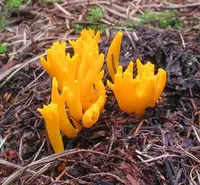
Flammulina populonica Care (Flammulina populicola)

Flammulina populonica

About Flammulina populonica

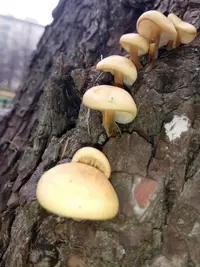
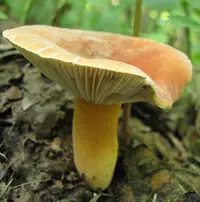
Flammulina populonica (often listed as Flammulina populicola) is a cold-season wood-decay fungus, not a leafy houseplant. It produces small to medium, smooth, orange-brown caps with pale gills and slender stems, usually appearing in dense clusters.

It typically grows on dead or dying poplar and related hardwoods in temperate regions, especially in cooler weather. The species is of interest to foragers and mushroom growers but can be challenging to identify correctly, which affects how easy it is to use safely.

Those who want to learn how to care for Flammulina populonica mainly focus on providing cool temperatures, high humidity, and consistently moist but not waterlogged, sterile growing substrates made from hardwood materials.

Main Plant Requirements

Care Difficulty

Moderate Care

Light Preference

Partial Shade

Water Requirements

Keep Soil Moist

Temperature Preference

Cool Climate

Hardiness Zone

Unknown

Soil Texture

Loamy, Silty, Organic-rich

Soil pH

Acidic (5.5–6.5), Slightly acidic (6.5–7.0)

Soil Drainage

Moist but well-drained

Fertilization

Minimal (feed rarely)

Get Personalized Care Plan

Scan your plant to receive care tips personalized for your specific plant

Available on iOS and Android

How to Care for the Flammulina populonica

This fungus prefers cool, low to moderate light typical of shaded woodland edges or north-facing sites.

  • Provide bright shade or dappled light, with 1–3 hours of weak morning sun and no harsh midday or afternoon sun to avoid drying the substrate.
  • Allow partial shade to full shade; fruiting bodies form best where indirect light is consistent but never intense, such as under deciduous trees or on the shaded side of logs.
  • In warmer months, increase shade to prevent substrate overheating; in winter, when caring for Flammulina populonica, slightly brighter filtered light still should not include direct, strong sun.

Moisture management focuses on keeping the wood or substrate evenly damp without becoming waterlogged.

  • Before rewetting, let the surface 1–2 cm feel just starting to dry while the inner substrate remains moist, avoiding fully dry or soggy conditions.
  • Use well-drained, airy substrate or logs so excess water can run off; standing water encourages rot, anaerobic conditions, and mold growth on Flammulina populicola colonies.
  • In cooler seasons reduce frequency but maintain gentle, even moisture; in warmer or windy weather, monitor more often and mist or soak briefly when the surface begins to lighten and feel less damp.

This species favors cool conditions and fruits best in a relatively narrow low-temperature range.

  • Aim for 40–55°F (4–13°C) during active fruiting, with mycelial growth often tolerating up to about 60°F (16°C) if humidity stays high and substrate does not dry out.
  • Short exposures down to about 25°F (−4°C) may be survived, but repeated hard freezes or deep soil freezing can damage mycelium and reduce future flushes.
  • Avoid sustained heat above 68–70°F (20–21°C); at 75°F (24°C) and higher, stress increases, fruiting declines, and contamination by competing fungi becomes more likely.

This species prefers moderate to high humidity, similar to a cool, damp woodland edge.

  • Aim for 50–70% humidity to support consistent fruiting and healthy mycelial growth.
  • It tolerates short periods of drier air, but prolonged humidity below 40% can slow growth and reduce cap size in caring for Flammulina populonica.
  • Watch for shrunken caps and cracked or tough stems as humidity stress signs, and raise humidity with a covered tray, room humidifier, or lightly misted surrounding surfaces rather than soaking the substrate.

Flammulina populicola grows best in loose, airy, organic-rich woody substrate rather than typical garden soil.

  • Use a mix based on hardwood sawdust or chips with added straw or coarse bark to create a fibrous, well-structured medium.
  • Ensure rapid drainage but high moisture retention by keeping the substrate loose and never compacting it; excess water should drain freely after soaking.
  • Maintain a slightly acidic to neutral environment, roughly pH 5.5–7.0, which supports balanced nutrient availability and healthy mycelial colonization.
  • Avoid dense clay, fine peat-only mixes, or heavily fertilized soils, which reduce aeration, hold stagnant water, and increase the risk of anaerobic conditions and contamination.

This species can be grown in containers if the vessel supports stable moisture and air exchange in the substrate.

  • Choose deep, rigid containers that allow a thick layer of colonized substrate, which buffers against rapid temperature and moisture swings.
  • Use containers with multiple small drainage or breather holes along the sides or lid to improve gas exchange without letting the substrate dry too quickly.
  • Select opaque or dark containers to shield the developing mycelium from prolonged light on the sides, which helps maintain a more stable microclimate for fruiting.

This wood-decaying fungus is usually grown on nutrient-rich logs or sterilized substrate and seldom needs added fertilizer when managed correctly, even when caring for Flammulina populonica.

  • If nutrients decline, supplement with a light application of well-matured compost blended into fresh sawdust or wood-based substrate.
  • Use a very dilute balanced NPK solution (about 1/4 strength) only in sterile sawdust blocks, not on outdoor logs or naturalized colonies.
  • Apply any nutrients during the active growth and fruiting phase, then stop feeding once temperatures fall and growth slows markedly.

Flammulina populicola does not need pruning in the usual horticultural sense, but some sanitation is useful in cultivated setups.

  • Remove spent, moldy, or damaged fruiting bodies with clean scissors to limit contamination of the substrate.
  • Discard obviously infected or off-colored clusters to reduce spread of competing fungi and bacteria.
  • Trim away heavily decomposed or crumbling substrate sections, then replace with fresh inoculated material if ongoing production is desired.

This species is typically managed by renewing or shifting its colonized substrate rather than classic repotting.

  • Shift to fresh logs or substrate when fruiting declines, contamination rises, or colonized blocks dry out quickly.
  • Time major moves for cool, stable weather in spring or fall to limit heat and moisture stress on the mycelium.
  • Handle colonized blocks gently, keeping them intact to avoid tearing the mycelial network and slowing regrowth.
  • After relocating, maintain steady moisture and moderate airflow so stressed mycelium can re-establish and resume fruiting.

Flammulina populicola is normally propagated by mycelium transfer rather than true seeds in home or farm setups.

  • Use grain spawn or colonized dowels pressed or drilled into fresh hardwood logs or sterilized sawdust blocks in spring or early fall.
  • Work as cleanly as possible, disinfecting tools and sealing drill holes with wax to limit contamination.
  • Maintain cool, moist, shaded conditions during colonization so mycelium spreads through the new substrate before exposure to harsher weather.

This cold-tolerant fungus often fruits in chilly conditions and usually needs only modest winter attention in outdoor culture.

  • Allow well-established outdoor logs to experience natural cold, as low temperatures can stimulate fruiting rather than damage.
  • Apply a light mulch around partially buried substrate to stabilize moisture without smothering air exchange.
  • For container or bag cultures, keep in a cold but not deeply freezing area, avoiding repeated freeze–thaw cycles that crack substrate.

Care Tips

Use clean substrate

Prepare a substrate of hardwood sawdust or chips mixed with a small amount of bran, and always sterilize or at least pasteurize it to reduce contamination from competing fungi and bacteria.

Maintain log hydration

If cultivating on poplar or aspen logs, soak the logs in clean water for 12–24 hours before inoculation and re‑soak when they become noticeably light to keep moisture levels stable for reliable fruiting.

Drill and seal spawn

When using plug or sawdust spawn in logs, drill evenly spaced holes, pack them tightly with spawn, then seal with food‑grade wax to protect the inoculation points from drying out and infection.

Control fruiting humidity

During pin and cap development, maintain high humidity around the substrate by using a humidity tent, misting the air (not the pins directly), and providing gentle fresh air exchange to avoid bacterial blotch and deformed stems.

Stagger production cycles

To ensure a more continuous harvest when trying to grow Flammulina populicola, inoculate several small logs or bags at 1–2 week intervals so each one reaches fruiting at a different time.

Common Pests and Diseases

Greenbottle fly larvae

This pest uses the mushroom caps as a site for egg‑laying, and the hatching maggots tunnel through the flesh, causing soft, discolored patches and rapid decay. Symptoms include small surface holes, wriggling larvae in the gills, and a sour odor as tissues break down.

Solution

Harvest caps promptly at the desired stage, remove and discard any infested fruiting bodies, and keep the fruiting area clean of spent clusters that attract flies. Fine insect mesh around grow bags or logs, combined with good sanitation and rapid cooling after harvest, reduces egg laying and maggot development.

Mite infestation

These insects feed on developing mycelium and young pins, leading to poor or distorted fruiting and patchy areas where growth stops. Symptoms include tiny moving dots on substrate surfaces and fine speckling or collapse of emerging mushrooms.

Solution

Discard heavily infested blocks, reduce organic debris, and keep the fruiting area dry between flushes except where moisture is needed at the substrate surface. Use clean, filtered air where possible, quarantine new substrates, and, in small setups, rinse exposed surfaces and shelving with warm soapy water to physically remove mites and their eggs.

Green Trichoderma mold

This disease is caused by competitive Trichoderma species that colonize the substrate or casing, first as white mycelium and then as bright green spores. Symptoms include stalled or uneven Flammulina mycelium, foul or earthy odor, and patches of dense green growth overtaking the block or log cuts.

Solution

Promptly remove and discard any blocks or heavily colonized sections to reduce spore load, and do not attempt to fruit contaminated substrates. Use well‑pasteurized or properly sterilized substrate, clean tools between batches, reduce excess moisture on surfaces, and increase fresh air exchange to favor healthy Flammulina populicola care instructions over aggressive molds.

Bacterial blotch

This disease develops on caps kept too wet or in stagnant, humid air, causing yellow to brown greasy spots and soft, sunken lesions on the mushroom surface. Symptoms include sticky patches, localized slime, and rapid deterioration of affected caps after harvest.

Solution

Lower surface moisture by misting the air instead of directly wetting caps, increase airflow around fruiting bodies, and keep humidity stable rather than swinging from very wet to dry. Remove and discard blotched mushrooms, sanitize trays and nearby surfaces with a mild disinfectant, and avoid handling caps with dirty or wet hands to limit bacterial spread.

Interesting Facts

Poplar‑specialist fungus

This mushroom almost exclusively fruits on dead or dying wood of poplar and related Populus species in boreal and montane forests, which helps distinguish it from close relatives that prefer elms or other hardwoods.

Cold‑season fruiting

It typically fruits in late autumn to early spring in cold climates, often appearing when snow is on the ground, taking advantage of a time when competing wood‑decay fungi are less active.

Narrow habitat range

Its known distribution is concentrated in boreal and subalpine regions of North America, where it is associated with natural poplar stands rather than urban or heavily managed landscapes, which contributes to it being encountered less often than some related species.

FAQs about Flammulina populonica

Yes, this species can be grown in containers if the substrate stays consistently moist and rich in organic matter. Use a deep, well‑drained vessel and protect the mycelium from overheating, drying out, or freezing solid.

Grow Healthy Plants with Botan Care

Keep your plants happy and healthy with plant identification, disease detection, and easy care guidance.

Botan plant care app — identify plants on mobile

Explore More Plants