Fomes fasciatus Care

Fomes fasciatus

About Fomes fasciatus

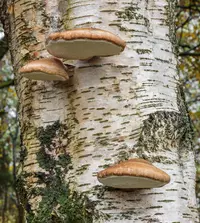
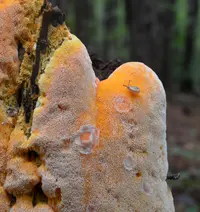
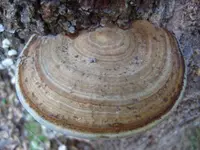
Fomes fasciatus is a perennial bracket fungus, not a leafy houseplant. It forms hard, hoof-shaped shelves on dead or dying hardwoods, especially in warm, humid forests. The upper surface is usually dark and zoned, while the underside carries fine pores instead of gills.

This species occurs mainly in tropical and subtropical regions of the Americas, where it helps decompose wood and recycle nutrients. It is not typically grown in gardens or containers, so information on how to care for Fomes fasciatus is limited and mostly relevant to forestry or mycology settings, rather than home cultivation.

Main Plant Requirements

Care Difficulty

Moderate Care

Light Preference

Partial Shade

Water Requirements

Moderate Water

Temperature Preference

Warm Climate

Hardiness Zone

Unknown

Soil Texture

Loamy, Organic-rich

Soil pH

Slightly acidic (6.5–7.0)

Soil Drainage

Well-drained

Fertilization

Minimal (feed rarely)

Get Personalized Care Plan

Scan your plant to receive care tips personalized for your specific plant

Available on iOS and Android

How to Care for the Fomes fasciatus

This bracket fungus occurs on shaded dead wood, so it prefers low, indirect light rather than direct sun exposure.

  • Aim for bright shade or dappled woodland light, such as beneath a tree canopy receiving 1–3 hours of weak morning sun and no harsh afternoon sun.
  • Avoid full, exposed sun, which can dry substrates rapidly and slow growth; consistent shade with indirect daylight supports more stable moisture and better development.
  • In summer, increase shading if light intensifies, while in winter allow more open exposure so Fomes fasciatus still receives 4–6 hours of diffuse daylight.

This wood-decaying fungus relies on the moisture content of its host log rather than direct watering of the fruiting body.

  • Select well-rotted hardwood in a humid, shaded site, allowing the log surface to stay slightly damp but not waterlogged for extended periods.
  • Use rainfall as the primary moisture source; in dry spells, lightly hose or mist the log when the outer 2–5 mm of wood feel dry and papery to the touch.
  • Avoid standing water around the substrate, which encourages bacterial rot, and note that deep cracking, brittle texture, or shrinking brackets indicate prolonged dryness.

This species is adapted to mild to warm climates and performs best without temperature extremes or hard frost.

  • Target an active growth range around 60–80°F (16–27°C), typical of sheltered woodland conditions with moderate humidity and indirect light.
  • Expect reduced activity below about 50°F (10°C); short dips to 40–45°F (4–7°C) are usually tolerated, but repeated hard frosts can damage young fruiting bodies.
  • In hotter periods above 85°F (29°C), protect the host wood from direct sun and drying winds, since rapid desiccation restricts Fomes fasciatus development.

This bracket fungus does not require specific humidity management under normal outdoor conditions.

This wood-decaying fungus grows on host trees rather than in soil, so typical potting substrates are not relevant.

  • Avoid trying to establish the fungus in potting mixes, garden beds, or compost piles, as it requires solid woody tissue to colonize.
  • If studied or displayed, provide sections of dead hardwood with intact bark instead of any mineral or organic soil blend.
  • Do not attempt to adjust pH, drainage, or aeration for Fomes fasciatus, since it functions as a heart-rot fungus within wood, not a soil-rooted plant.

This species is not suitable for conventional container growing because it colonizes wood rather than forming roots in a potting medium.

This bracket fungus grows on wood and generally does not need supplemental fertilization in managed landscapes.

As a perennial wood-decaying bracket fungus, Fomes fasciatus is not shaped by pruning in the way vascular plants are.

  • Remove entire fruiting bodies only when they pose structural, safety, or aesthetic concerns on the host tree or log.
  • Use a sharp hand saw or chisel to cut flush with the substrate, avoiding damage to surrounding bark or wood.
  • Dispose of removed brackets with green waste rather than leaving them on site to limit further spore spread near vulnerable trees.

This wood-inhabiting fungus is not suited to standard pot culture, so care focuses on managing colonized wood rather than repotting.

  • Transplanting is generally unnecessary; instead, monitor the structural integrity of the host tree or log over time.
  • If growing for study, replace heavily decayed logs when fruiting declines or tissue becomes too degraded to support new brackets.
  • When moving inoculated wood, keep it shaded and evenly moist to limit sudden drying of mycelium, which can reduce viability.
  • Handle host wood gently to avoid cracking, and position it in a stable location that mimics the original exposure and moisture conditions.

Intentional propagation of this wood-decaying fungus is usually limited to research or ecological projects and is not common in home culture.

  • Spore-based propagation uses mature brackets; collect spore prints on clean foil or paper in late summer or fall.
  • Inoculate fresh, disease-free hardwood logs or blocks by placing spore-laden material or colonized dowels into drilled holes.
  • Maintain high humidity and consistent shade around inoculated wood to favor mycelial colonization and later fruiting body formation.
  • Allow colonization to proceed undisturbed for many months, as bracket development on new substrates is typically slow.

This perennial wood fungus is generally cold hardy in its natural range and requires no specific winter care from gardeners.

Care Tips

Select Appropriate Hosts

When inoculating logs, choose recently felled hardwoods typical of its native habitat and avoid conifers, as correct host selection is critical for stable colonization and predictable growth when growing Fomes fasciatus.

Use Clean Inoculation Tools

Disinfect drills, chisels, and inoculation tools with 70% isopropyl alcohol between logs to reduce contamination by competing fungi and bacteria that can outcompete the desired mycelium.

Control Log Moisture

Keep inoculated logs shaded and off bare soil on bricks or pallets so they stay evenly moist but not waterlogged, which supports steady mycelial spread through the wood.

Stabilize Mounting Surfaces

If using colonized logs as display pieces, secure them firmly with brackets or wedges to prevent shifting or falls, since the wood structure will gradually weaken as decay progresses.

Monitor Structural Decay

Inspect colonized wood periodically for softness and internal hollows, and retire or relocate any pieces that show advanced decay or instability to avoid breakage in high-traffic areas.

Common Pests and Diseases

Wood-boring beetle larvae

This pest uses the fruiting body as a shelter while larvae tunnel into the underlying dead wood. Symptoms include small round exit holes, fine frass, and weakened host wood around or beneath the bracket.

Solution

Remove and destroy severely infested brackets and loose, crumbling wood to reduce habitat for larvae. Where conservation of the host log or structure matters, improve drying and airflow, physically scrape out heavily tunneled material, and, if needed, consult a local forestry or structural pest professional for targeted treatment of the wood rather than the fungus itself.

Longhorn beetle colonization

These insects often colonize hardwoods already decayed by this bracket fungus, using the softened wood for larval development. Symptoms include elongated exit holes, rough galleries in the wood, and further structural breakdown of the host tree or log.

Solution

Cut back and remove highly decayed, beetle-riddled wood where safe and appropriate to slow further mechanical failure. Maintain safe distances from buildings and paths by pruning or removing unstable limbs or trunks, and seek an arborist assessment if the colonized tree stands near high-use areas.

Secondary mold growth

This disease involves opportunistic molds colonizing the porous, persistent fruiting body surface under damp, stagnant conditions. Symptoms include patchy discoloration, softening, and fuzzy or powdery growths over the upper or pore surface.

Solution

Reduce surface moisture and improve airflow around the substrate by clearing dense vegetation and avoiding overhead irrigation that keeps the bracket constantly wet. If needed for study or display, gently brush or cut away moldy portions and dry the remaining tissue in a well-ventilated, shaded location to slow recolonization.

Insect-induced mechanical damage

This issue results from various small insects and arthropods grazing on or sheltering inside the bracket, leading to pitting, edge nibbling, and cracking. Symptoms include irregular bite marks, small tunnels, and crumbly margins on older portions of the fruiting body.

Solution

For specimens kept for educational or decorative purposes, physically remove loose debris and any visible insects, and store brackets in a dry, well-ventilated place to make them less attractive to invertebrates. Where the fungus is on a living tree, routine inspection and timely pruning of heavily damaged limbs help manage overall structural safety rather than directly protecting the bracket itself.

Interesting Facts

White‑rotting specialist

This species is a white‑rot fungus that breaks down both lignin and cellulose in hardwoods, playing a key role in nutrient recycling in tropical and subtropical forests of the Americas and Africa.

Distinctive banded crust

The fruiting body forms a perennial, hoof‑shaped to bracket‑like crust with conspicuous zoned bands and a hard, woody texture that can persist on dead wood for many years.

Host preference pattern

It occurs mainly on fallen or standing dead hardwoods, especially in moist lowland forests, and is only rarely recorded on conifers, indicating a strong ecological preference for broadleaf hosts.

Botan icon

Did you know?

Molecular studies have shown that specimens once lumped under Fomes fasciatus from different tropical regions actually represent several distinct but closely related species, so some older records for this name are now considered misidentifications.

FAQs about Fomes fasciatus

This wood-decay fungus grows slowly but steadily, expanding its bracket each year rather than shooting up quickly. Growth speed depends on host wood condition, moisture, and temperature, often taking several years to form large, layered fruiting bodies.

Grow Healthy Plants with Botan Care

Keep your plants happy and healthy with plant identification, disease detection, and easy care guidance.

Botan plant care app — identify plants on mobile

Explore More Plants