Fomitiporia hippophaeicola Care

Fomitiporia hippophaeicola

About Fomitiporia hippophaeicola

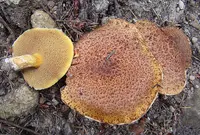
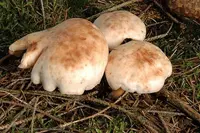
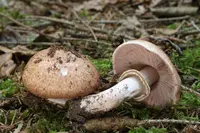
Fomitiporia hippophaeicola is a wood-decay fungus, not a leafy houseplant. It forms hard, crust-like fruiting bodies that lie flat on the bark of host shrubs or trees. The surface is usually brown to dark brown and often blends into the wood.

This species is associated mainly with sea buckthorn (Hippophae) in its natural range and contributes to white rot, a type of wood decomposition. It is not typically cultivated, and attempts to care for Fomitiporia hippophaeicola at home are uncommon and technically demanding. In nature it develops on woody hosts in cool to temperate climates, where stable moisture and the right host tissue are more important than light levels.

Main Plant Requirements

Care Difficulty

Moderate Care

Light Preference

Partial Shade

Water Requirements

Moderate Water

Temperature Preference

Warm Climate

Hardiness Zone

Unknown

Soil Texture

Loamy

Soil pH

Slightly acidic (6.5–7.0)

Soil Drainage

Well-drained

Fertilization

Minimal (feed rarely)

Get Personalized Care Plan

Scan your plant to receive care tips personalized for your specific plant

Available on iOS and Android

How to Care for the Fomitiporia hippophaeicola

This wood-decaying fungus thrives on host shrubs or trees in sites with moderate, indirect light rather than harsh, exposed sun.

  • Aim for bright, dappled conditions or light partial shade, such as woodland edges or north/east-facing aspects receiving 2–4 hours of gentle morning sun.
  • Avoid intense, direct afternoon sun, which can overheat host bark and dry surfaces too quickly, reducing suitable moisture for Fomitiporia hippophaeicola.
  • In summer, overhead canopy or shade cloth helps diffuse light, while in winter increased light through bare branches is acceptable if bark does not scorch.

Moisture conditions should favor consistently damp, not waterlogged, host bark and surrounding soil.

  • Target soil that stays evenly moist in the top 5–8 cm, using organic mulches to reduce evaporation and stabilize moisture around host roots.
  • Provide extra water during dry spells when surfaces dry within 24 hours after rain; avoid saturating to the point of standing water or anaerobic, foul-smelling soil.
  • Signs of excess moisture include sour odor, slimy bark, and prolonged puddling, while deep cracks in soil and brittle twigs suggest conditions too dry for reliable colonization by this fungus.

This species develops best in cool to mild conditions, typical of temperate climates where host plants naturally grow.

  • Optimal activity generally occurs around 50–70°F (10–21°C), conditions often found in shaded woodland or coastal zones with moderate daily temperature swings.
  • The fungus can tolerate cool periods down to about 23–28°F (-5–-2°C) once established, but rapid freeze–thaw cycles can stress the host and disrupt fruiting.
  • Prolonged heat above 82–86°F (28–30°C), especially with very dry air, may slow development, so shelter from reflected heat and maintain some humidity around host plants.

This wood-decay fungus is not grown as a conventional houseplant and does not have specific indoor humidity requirements.

As a wood-rotting fungus, Fomitiporia hippophaeicola relies on host wood rather than typical potting soil.

  • It colonizes dead or weakened woody tissue, so a standard loamy or sandy mineral soil is not relevant for its growth.
  • Management focuses on host health; maintaining aerated, well-drained soil around sea buckthorn roots can help reduce excessive moisture that favors fungal establishment.
  • Avoid persistently waterlogged or compacted soil around susceptible shrubs, as this can stress roots and indirectly support wood-decay fungi.
  • Do not prepare special potting mixes for this species, since encouraging its growth is usually undesirable in cultivated plants.

This species is not suitable for deliberate container cultivation, as it is a wood-decay fungus dependent on a host plant rather than a free-living potted organism.

This wood-decay fungus develops on host plants without needing direct fertilization for itself.

Pruning targets the infected host wood rather than Fomitiporia hippophaeicola itself, to manage spread and structural safety.

  • Carry out pruning in late winter or very early spring while trees or shrubs are dormant and easier to inspect.
  • Remove dead, decayed, or structurally compromised branches well back into visibly sound wood.
  • Use sharp, disinfected saws or loppers and clean tools between cuts to limit further fungal spread.
  • Avoid heavy canopy thinning; instead, focus on safety, clearance, and maintaining stable branch structure.

This species is not maintained as a potted organism, so management focuses on host tree or shrub establishment rather than direct transplanting of the fungus.

  • If removing infected hosts, replant replacement trees in fresh, well-drained soil away from heavily colonized stumps or roots.
  • Schedule new tree planting or transplanting for early spring or fall to reduce water stress and improve root establishment.
  • Water newly planted hosts deeply and mulch 5–8 cm around, not against, the trunk to moderate moisture and temperature.
  • Avoid wounding roots and lower stems during planting and staking, since injuries provide new infection points.

Propagation in cultivation is not recommended, as Fomitiporia hippophaeicola is a wood-decay pathogen rather than an ornamental or crop species.

No specific winter care is provided for this fungus; instead, attention goes to the health and safety of the infected host tree.

Care Tips

Host selection

Plant or maintain only sea buckthorn individuals with strong vigor and minimal trunk wounds, since this wood-decaying fungus establishes most readily on stressed or mechanically damaged hosts.

Sanitary pruning

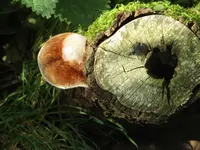
When removing infected branches or cankered wood, cut at least 20–30 cm below visible decay and immediately destroy the removed material to reduce local inoculum and slow disease spread.

Tool disinfection

Disinfect pruning tools between each plant, using 70% alcohol or a 10% household bleach solution followed by a clear-water rinse, to avoid mechanically transferring the fungus from infected to healthy hosts.

Wound protection

Avoid unnecessary trunk and root collar injuries from mowing, string trimmers, or staking hardware, and if a large wound occurs on a valuable specimen, use a breathable tree wound paint recommended for orchards in that region.

Monitoring protocol

Inspect sea buckthorn stands at least 2–3 times per year for new perennial fruiting bodies and progressive dieback, marking affected plants on a simple map so long-term patterns in infection and the effectiveness of caring for Fomitiporia hippophaeicola can be evaluated.

Common Pests and Diseases

Sea buckthorn canker

This disease develops as wood decay in living sea buckthorn stems and trunks, often following wounds or stress. Symptoms include sunken cankers, brittle wood, dieback, and hard, perennial crust-like fruiting bodies on the bark.

Solution

Prune out and destroy infected branches well below visible symptoms during dry weather, sterilizing tools between cuts. Reduce tree stress by avoiding mechanical damage, improving site drainage, and maintaining balanced nutrition to slow further colonization by this wood-decaying fungus, which is the organism involved in Fomitiporia hippophaeicola care instructions.

Branch dieback

This disease appears as progressive death of small branches and twigs starting at the tips, often associated with internal wood decay and cankers. Symptoms include sparse foliage, shortened new growth, and dead branch tips that remain attached.

Solution

Regularly inspect sea buckthorn plants and remove dead or severely weakened branches back to healthy wood, disposing of prunings away from the planting area. Improve overall plant vigor through proper watering, mulching, and protection from bark injuries so the host can better compartmentalize decay and limit further dieback.

Trunk decay

This disease is characterized by internal rot of the main stem or trunk, which can persist for years before external symptoms such as cracking bark, hollow sections, and fruiting bodies appear. Symptoms include reduced vigor, leaning trunks, and increased breakage risk under wind or snow load.

Solution

Monitor older sea buckthorn plants for structural weakening and visible fungal structures; remove and replace trees with advanced decay that pose a safety hazard. For less affected specimens, minimize new wounds, avoid heavy pruning on already compromised trunks, and support long-term replacement planting rather than attempting to cure established decay.

Interesting Facts

Sea buckthorn specialist

This wood-decay fungus is known only from sea buckthorn (Hippophae rhamnoides), where it colonizes woody tissues rather than a broad range of host trees like many other Fomitiporia species.

White rot strategy

It causes a white rot in its host, breaking down both lignin and cellulose in the wood and leaving a pale, fibrous residue, which can significantly weaken branches and stems over time.

Crust-like fruiting bodies

Instead of forming classic mushroom caps, it produces resupinate, crust-like basidiomata that spread over bark or exposed wood, often going unnoticed because they blend closely with the host surface.

FAQs about Fomitiporia hippophaeicola

This wood-decay fungus spreads locally through spores and by colonizing host wood, but it is not typically aggressive in managed landscapes. It requires suitable host tissue and moisture, so spread is usually limited to stressed or susceptible trees and shrubs.

Grow Healthy Plants with Botan Care

Keep your plants happy and healthy with plant identification, disease detection, and easy care guidance.

Botan plant care app — identify plants on mobile

Explore More Plants