Spotted Collybia Care (Rhodocollybia maculata)

Spotted Collybia

About Spotted Collybia

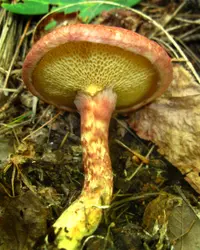
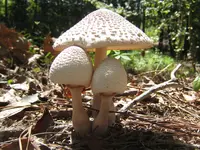
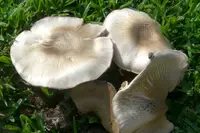
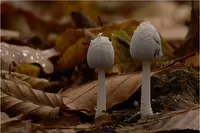
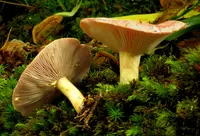
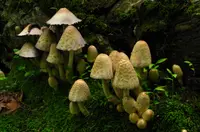
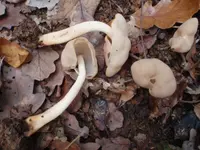
Spotted collybia, Rhodocollybia maculata, is a saprobic mushroom that decomposes fallen wood and litter on forest floors. It is not a houseplant but sometimes appears in outdoor beds or naturalistic gardens. Caps are usually pale cream to tan with distinctive rusty or reddish spots as they age, and the tall, firm stems often grow in dense clusters. This species is native to temperate forests across North America and Europe, especially in coniferous woodlands. Because it relies on decaying organic matter rather than typical potting soil, it is challenging to cultivate intentionally, and most gardeners simply tolerate or remove it rather than try to care for Spotted Collybia.

Main Plant Requirements

Care Difficulty

Hard Care

Light Preference

Shade

Water Requirements

Keep Soil Moist

Temperature Preference

Cool Climate

Hardiness Zone

Unknown

Soil Texture

Loamy, Silty, Organic-rich

Soil pH

Acidic (5.5–6.5)

Soil Drainage

Moist but well-drained

Fertilization

Minimal (feed rarely)

Get Personalized Care Plan

Scan your plant to receive care tips personalized for your specific plant

Available on iOS and Android

How to Care for the Spotted Collybia

This woodland fungus prefers cool, shaded conditions that mimic a moist forest floor.

  • Provide dappled or filtered light equal to deep to medium shade, with less than 2 hours of direct sun per day, ideally only early morning light.
  • Avoid strong midday and afternoon sun, which can dry the substrate and scorch emerging Spotted Collybia caps, reducing fruiting reliability.
  • Site patches under deciduous trees where summer canopy limits light but spring and fall offer slightly brighter, indirect light for steady development.

This fungus needs consistently moist, but not waterlogged, organic substrate to form healthy fruiting bodies.

  • Maintain evenly moist leaf litter or wood-rich soil, allowing only the top 1–2 cm to dry slightly between natural rain or supplemental watering.
  • Increase moisture input during warm, dry spells by gently soaking the area until the upper 5–8 cm of substrate feels uniformly damp, not soggy.
  • Watch for signs of excess water such as foul odor, standing puddles, or slimy decay, and for underwatering indicated by brittle mycelial mats and shriveling caps.

This species favors cool to mild conditions typical of shaded woodland floors.

  • Support best development at 50–68°F (10–20°C), when mycelium growth and fruiting are most consistent in moist, shaded sites.
  • Tolerate brief lows down to about 32°F (0°C), but repeated hard frosts below this can damage fruiting bodies, though underground mycelium often survives.
  • Limit heat exposure above 77–80°F (25–27°C), since prolonged high temperatures combined with dry air quickly desiccate substrates and reduce Rhodocollybia maculata fruiting.

This forest mushroom prefers consistently moist, cool air rather than very dry or heated indoor conditions.

  • Aim for 60–90% humidity, similar to shaded woodland, avoiding prolonged exposure below 40%.
  • Dry air can cause caps to crack, edges to curl, and fruiting bodies to dry and abort early.
  • Increase humidity outdoors with thick leaf litter and light misting; avoid constant wetting that leaves Spotted Collybia waterlogged.

This fungus fruits best in loose, organic forest-type substrate rather than standard potting soil.

  • Use a mix dominated by decomposing hardwood chips, leaf litter, and a small amount of loamy garden soil to mimic woodland floor.
  • Ensure the substrate drains freely yet stays evenly moist; excess standing water leads to anaerobic (oxygen-poor) conditions that suppress mycelium.
  • Keep pH slightly acidic to neutral (pH 5.5–7.0), which supports stable Rhodocollybia maculata mycelial growth.
  • Improve aeration by layering coarse bark or wood chips at the base and mixing in shredded leaves rather than fine compost alone.

This woodland mushroom is generally unsuitable for long-term container growing because it relies on complex interactions with forest soil and decaying wood.

Rhodocollybia maculata is a woodland fungus that usually gains enough nutrients from decaying organic matter and does not require direct fertilization.

Pruning is not a standard practice for Rhodocollybia maculata, since mushrooms are short-lived fruiting bodies rather than long-term stems or branches.

This species is not suited to typical container culture, so focus on transplanting woody debris or leaf-litter habitats rather than moving the fungus itself.

  • Avoid disturbing established colonies; visible clusters usually indicate that the underlying wood or litter is already well colonized.
  • If relocation is necessary, move colonized wood, bark, or leaf litter in cool, moist weather, minimizing exposure to sun and wind.
  • Place the material into a similar shaded, humus-rich site with comparable moisture to reduce stress on the hidden mycelium.
  • Water the new area lightly after transplanting the substrate, then keep evenly moist, not waterlogged, while the habitat stabilizes.

Propagation of Rhodocollybia maculata is specialized and usually managed by mycologists rather than home gardeners, so home propagation is rarely attempted.

This woodland fungus is naturally cold hardy in many temperate forests and generally needs no dedicated winter care from gardeners.

Care Tips

Use fresh conifer litter

Refresh the planting or inoculation area each season with a thin layer of fresh but slightly aged conifer needles and small twigs to maintain the acidic, woody substrate this species prefers.

Maintain cool microclimate

Site culture logs or inoculated beds on the north or east side of structures or under evergreen shrubs to buffer against temperature spikes and drying winds that quickly stall fruiting.

Encourage fungal spread

When a cluster appears, leave some older mushrooms to fully mature and decompose in place so their tissues can help spread mycelium through the top layer of forest duff.

Minimize soil disturbance

Avoid raking, digging, or compacting the area around colonized wood or duff so the delicate mycelial network is not broken, which can delay or reduce future flushes.

Monitor for look-alikes

When growing Spotted Collybia near other wood-rotting fungi, flag or mark the area and learn the key identification features so only confidently identified specimens are handled or moved for spore distribution.

Common Pests and Diseases

fungal gnat larvae

This pest uses the moist, decaying wood and organic debris around the fruiting bodies as a breeding site, and larvae can tunnel through developing mushrooms. Symptoms include small flying gnats around clusters and pitted or water-soaked caps and stems.

Solution

Limit chronically wet, stagnant conditions around the fruiting area by improving drainage and air movement, and avoid heavy, continuous irrigation where the fungus is encouraged to fruit. Remove and discard badly damaged mushrooms, and use yellow sticky traps and targeted Bacillus thuringiensis israelensis (Bti) products in surrounding organic debris if larval damage is persistent.

springtail grazing

These insects live in damp forest litter and can collect in large numbers on the gills and stems, rasping surface tissue and leaving small irregular pits. Symptoms include clusters of tiny, jumping, pale insects around the base of fruiting bodies in very wet weather.

Solution

Reduce excessive surface moisture by improving air circulation and avoiding standing water in bark, mulch, or decaying wood where the fungus fruits. Brush or rinse off heavy infestations with clean water and thin dense mulch layers so the substrate remains moist but not waterlogged, which discourages high springtail populations.

slugs and snails

These pests feed on tender caps and stems, often consuming large portions of the fruiting body overnight. Symptoms include large irregular holes, slimy trails on or near mushrooms, and missing young fruiting bodies.

Solution

Hand-remove slugs and snails at dusk or after rain and remove nearby boards, stones, or thick groundcover that provide daytime shelter. In garden or landscaped settings, place physical barriers such as copper tape around valued fruiting areas or use iron phosphate baits placed away from non-target wildlife and pets.

mold colonization

This disease occurs when fast-growing competitor fungi or molds overrun the mushroom tissue under cool, stagnant, and very humid conditions. Symptoms include fuzzy white, gray, green, or black patches on caps, gills, or the surrounding substrate, followed by softening and collapse of fruiting bodies.

Solution

Improve airflow and reduce overcrowding of organic debris so surfaces dry slightly between wet periods, and avoid piling thick mulch directly over fruiting clusters. Remove and discard heavily colonized mushrooms and adjacent moldy material to reduce spore load, and avoid handling healthy fruiting bodies after touching obvious mold patches.

bacterial blotch

This disease can develop on wet mushroom surfaces, causing greasy, water-soaked spots that turn tan to brown and may coalesce into large discolored patches. Symptoms include a slimy feel and rapid collapse of affected cap tissue during warm, wet periods.

Solution

Reduce leaf litter or canopy drip that keeps caps continuously wet and increase air movement to help surfaces dry after rain or irrigation. Remove and dispose of blotched fruiting bodies promptly and avoid overhead watering or splashing that spreads bacteria from affected to healthy mushrooms, which supports better Rhodocollybia maculata care overall.

Interesting Facts

Spotted cap bruising

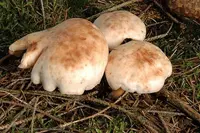
The cap surface is whitish to pale buff but develops distinctive reddish to rust-brown spots where it ages or is bruised, which is the origin of the common name spotted toughshank.

Tough, fibrous stem

Its stem is notably tough and fibrous compared with many woodland mushrooms, often persisting after the cap decays and contributing to its placement in the toughshank group.

Forest floor recycler

This fungus is saprobic on conifer litter, especially in pine and spruce forests, helping break down fallen needles and woody debris and returning locked-up nutrients to the soil.

Botan icon

Did you know?

This species often fruits in dense, fused clusters where stems may share a common base, forming striking patches that can carpet sections of the forest floor after consistent rainfall in late summer and autumn.

FAQs about Spotted Collybia

This species is considered inedible due to its tough texture and poor culinary value. Some field guides also list it as suspect, so it is safest not to consume it or use it in cooking.

Grow Healthy Plants with Botan Care

Keep your plants happy and healthy with plant identification, disease detection, and easy care guidance.

Botan plant care app — identify plants on mobile

Explore More Plants