Flexible Lorchel Care (Helvella elastica)

Also known as: Smooth-stalked Helvella
Flexible Lorchel

About Flexible Lorchel

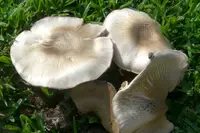
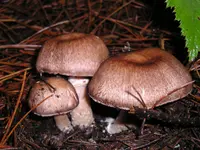
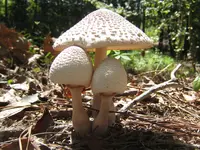
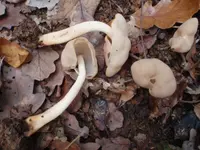
Flexible lorchel, Helvella elastica, is a small, irregularly shaped mushroom, not a leafy houseplant. It has a thin, flexible stem and a lobed, saddle-like cap. The fruiting bodies usually appear on soil or among leaf litter in forests and grassy clearings. It is native to temperate regions of Europe, North America, and parts of Asia. This fungus can be challenging to cultivate because it forms close associations with tree roots and depends on specific soil organisms. Most people do not attempt to care for Flexible Lorchel at home, as it prefers natural woodland conditions with undisturbed, moist but not waterlogged soil.

Main Plant Requirements

Care Difficulty

Hard Care

Light Preference

Partial Shade

Water Requirements

Keep Soil Moist

Temperature Preference

Cool Climate

Hardiness Zone

Unknown

Soil Texture

Loamy, Silty, Organic-rich

Soil pH

Acidic (5.5–6.5), Slightly acidic (6.5–7.0)

Soil Drainage

Moist but well-drained

Fertilization

Minimal (feed rarely)

Get Personalized Care Plan

Scan your plant to receive care tips personalized for your specific plant

Available on iOS and Android

How to Care for the Flexible Lorchel

This fungus prefers cool, dappled woodland light rather than direct open sun.

  • Provide 2–4 hours of gentle morning sun with bright, filtered light or open shade for the rest of the day, similar to a light forest understory.
  • Avoid strong midday and afternoon sun, which can overheat the substrate and dry leaf litter where Flexible Lorchel develops.
  • In summer, favor deeper shade; in spring and fall, slightly more open light is acceptable as long as the ground does not bake or crack.

Moist, not saturated, ground is essential for reliable fruiting of this woodland fungus.

  • Aim for consistently moist soil or leaf litter, allowing the top 2–3 cm to start to dry between natural rains or supplemental watering.
  • Ensure very free drainage; standing water, sour odor, or slimy surface growth indicate overwatering and poor aeration around Helvella elastica mycelium.
  • In dry, warm periods, increase watering frequency, watching for cracked soil or brittle leaf litter as cues to add moisture, then reduce input during cool, wet seasons.

This species thrives in cool to mild conditions and declines in sustained heat or hard frost.

  • Optimal fruiting usually occurs around 50–68°F (10–20°C), typical of shaded woodland in spring or fall with stable, moist conditions.
  • Tissues are damaged by hard freezes below about 26°F (-3°C); repeated frosts shorten fruiting, so expect fewer or no fruitbodies in colder snaps.
  • Heat above 77–82°F (25–28°C), especially with dry air, rapidly dries the substrate, so more shade and moisture are needed during hot spells to maintain activity.

This fungus fruits in outdoor forest conditions where humidity fluctuates, so active humidity control is usually unnecessary.

This fungus associates with trees in moist, aerated forest soil rather than standard potting substrates.

  • Fruiting bodies occur in loose, well‑aerated soil that is rich in decaying leaf litter and other organic debris.
  • Aim for a humus‑rich, loamy texture with moderate moisture retention and free drainage, avoiding compacted or waterlogged ground.
  • Slightly acidic to neutral soil (pH 5.5–7) suits Helvella elastica in its natural woodland habitat.
  • Improve structure and drainage outdoors with well‑decomposed leaf mold, fine bark, and coarse sand mixed into the top layer.

This species is not suitable for container growing because it depends on complex soil and tree root associations found in the ground.

Helvella elastica is a wild, mycorrhizal fungus that gains nutrients from soil and host roots, so added fertilizer is usually unnecessary and can even be harmful.

Pruning is not a standard practice for Helvella elastica because the fruiting bodies are short‑lived and seasonal.

  • If desired, remove only obviously decayed or moldy fruiting bodies using clean fingers or small scissors.
  • Cut at the base of the stem without disturbing surrounding soil or mycelium, the underground fungal network.
  • Avoid trimming healthy caps, as this does not improve growth or future fruiting and may disturb the habitat.

Flexible Lorchel is rarely grown in containers and is best left undisturbed in its natural or established garden habitat.

  • Avoid transplanting, as disturbing the soil can damage the mycorrhizal partnership between fungus and host plant roots.
  • If relocation is essential, move colonized soil in a wide, shallow block rather than lifting individual fruiting bodies.
  • Carry out any soil move in cool, moist weather to limit desiccation of the mycelium.
  • Water the new site gently after moving the soil block and keep it evenly moist, not waterlogged.

Propagation of Helvella elastica is difficult for home growers because it depends on complex mycorrhizal relationships with host plants.

Helvella elastica is cold hardy in temperate climates and needs no special winter care beyond maintaining a stable habitat.

Care Tips

Spore-friendly layout

Leave small clusters of fruiting bodies undisturbed and avoid raking or compacting the surrounding leaf litter so the fungus can complete its life cycle and naturally spread spores in the area.

Soil disturbance control

If you need to weed or replant near established colonies, use hand tools and work shallowly in the top 2–3 cm of soil to avoid damaging the underlying mycelium network.

Moisture buffering mulch

Apply a light, loose layer of leaf litter or fine wood chips rather than heavy bark mulch to stabilize moisture and temperature while still allowing the delicate cups to emerge easily.

Chemical drift avoidance

Keep fungicides, high-salt fertilizers, and lawn herbicide sprays well away from known patches, since even minor chemical drift can suppress future fruiting.

Seasonal monitoring routine

During the main fruiting season, walk the site weekly, note where new clusters appear, and mark productive spots discreetly so you can track how to take care of Flexible Lorchel and adjust maintenance around these areas over time.

Common Pests and Diseases

Slug and snail grazing

This pest feeds on the soft, gelatinous fruiting bodies, often leaving ragged edges or missing sections of the caps. Symptoms include slime trails around the mushrooms and small to large irregular bite marks.

Solution

Hand-pick slugs and snails during damp evenings, use simple barriers such as copper tape or rough grit around preferred fruiting areas, and reduce nearby hiding places like dense ground litter or boards. If damage is severe, deploy beer traps or iron phosphate pellets, following label directions and keeping them away from children and pets.

Fungivorous springtails

These insects live in moist soil and leaf litter and can chew on young, emerging fruiting bodies, causing tiny pits, surface roughening, or distorted growth. This pest usually appears where soil and moss stay constantly wet and organic debris is abundant.

Solution

Improve surface drainage and slightly reduce constant moisture in the fruiting area without letting the substrate fully dry. Gently disturb the top layer of litter, remove excess decomposing material, and, if needed, use sticky traps nearby to monitor and reduce heavy populations.

Fungal parasitism (mycoparasites)

This disease occurs when other fungi colonize the fruiting bodies, leading to deformed, discolored, or prematurely collapsing caps and stems. Symptoms include patches of foreign mold, unusual textures, or areas that become water-soaked and quickly decay.

Solution

Remove and discard affected mushrooms promptly to reduce spore spread, and avoid disturbing contaminated material into nearby fruiting zones. Encourage good air movement and avoid persistent waterlogging by spacing fruiting patches, lightly loosening surrounding leaf litter, and not overwatering adjacent garden beds.

Mite feeding damage

These insects are minute arthropods that feed on fungal tissue, leaving fine pitting, dull patches, or a slightly roughened surface on the caps. This pest often builds up where there is heavy organic debris and continuously high humidity with little air movement.

Solution

Brush or wash off visible mites on fruiting bodies with a gentle stream of water, and thin surrounding litter to increase light and airflow at ground level. In outdoor beds, avoid using broad-spectrum insecticides and instead focus on habitat management that favors natural predators such as ground beetles and predatory mites.

Interesting Facts

Distinctive rubbery cap

This fungus has a thin, spoon-shaped or saddle-shaped cap with a noticeably elastic, rubbery texture, which is the origin of the species name elastica. The cap surface is usually smooth and pale to yellow-brown, contrasting with the paler, often grooved stem.

Summer and autumn fruiting

It typically fruits from summer into autumn, often appearing in mixed woodlands, along paths, or on soil rich in decaying plant material. Unlike some close relatives that prefer spring conditions, it is more associated with the warmer part of the year.

Taxonomically challenging species

This species belongs to a group of Helvella fungi that are difficult to identify, and it has a history of confusion with similar saddle fungi such as Helvella latispora and Helvella queletii. Accurate identification usually requires careful study of microscopic features like spore shape and size.

Botan icon

Did you know?

Helvella elastica has been reported forming ectomycorrhizal associations, where its underground mycelium connects to tree roots and helps them absorb water and nutrients in exchange for sugars, making it an active partner in forest nutrient cycles rather than just a simple decomposer.

FAQs about Flexible Lorchel

This fungus is generally considered inedible. The flesh is thin, fragile, and offers little culinary value. Some related Helvella species contain unstable toxins, so consumption is not recommended, especially by beginners or without expert identification.

Grow Healthy Plants with Botan Care

Keep your plants happy and healthy with plant identification, disease detection, and easy care guidance.

Botan plant care app — identify plants on mobile

Explore More Plants