


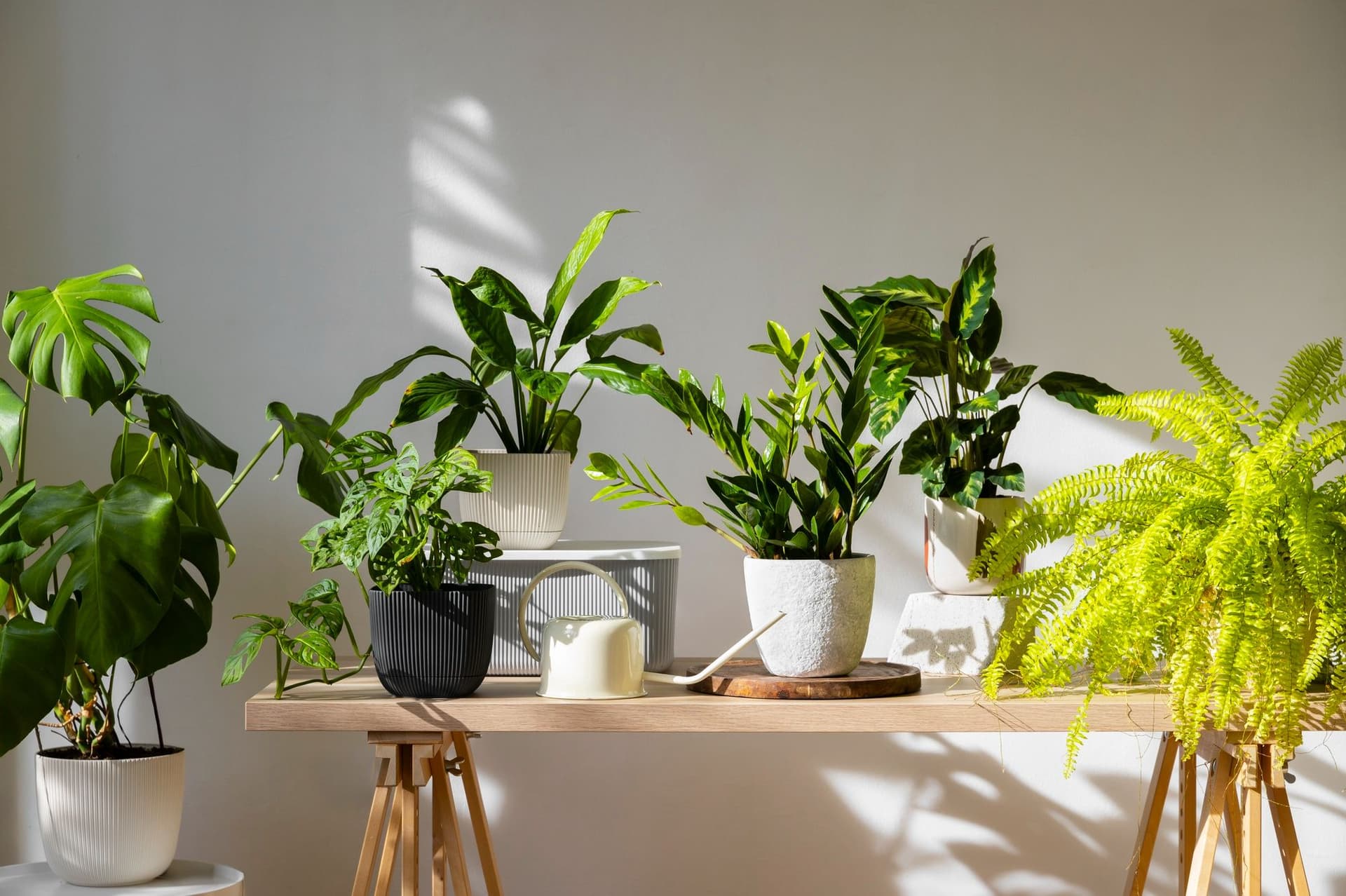
5 min read · 11 Sept 2026
Top 5 Best Indoor Plants for Air Quality
Indoor plants can make a room feel fresher thanks to their air-purifying qualities. Here are 5 of the most suitable choices for your routine and living space.
Plant Recommendations


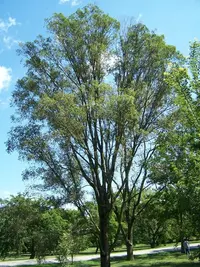
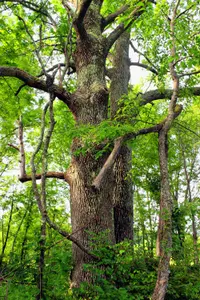
Recognize white ash by its opposite, pinnately compound leaves with 5 to 9 leaflets, usually on long stalks, and by its straight trunk with an oval to rounded crown.
Leaflets are stalked, whitish beneath, and often 3 to 6 inches (8 to 15 cm) long.
Upload a plant photo and check the identification in seconds.
Clear images work best. Avoid photos taken too close or too far away
Check the leaves, twigs, and fruit of Fraxinus americana first.
Opposite branching plus compound leaves and winged seeds is a strong visual match.
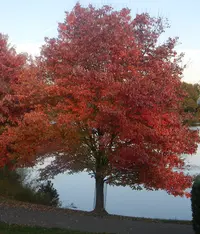
White ash shows clear visual shifts from opposite-leaved seedlings to tall, broad-crowned fruiting trees.
Several named selections of white ash are identifiable by crown shape or leaf color.
In spring, white ash leafs out with opposite, compound leaves, while small purplish flower clusters may appear before or with the new leaves. By late summer into fall, hanging samaras, or winged seeds, can be conspicuous on female trees. Fall color is often a strong clue, with foliage turning yellow, orange, red, or purple. After leaf drop, stout twigs with opposite branching and dark, pointed buds stand out more clearly.
Several ash relatives and one unrelated tree are often mistaken for white ash.
green ash(Fraxinus pennsylvanica)
Often confused because both have opposite, pinnate leaves. Green ash usually has 5-9 leaflets with less whitish undersides; Fraxinus americana more often shows 7 leaflets with paler undersides.
black ash(Fraxinus nigra)
Similar compound leaves can mislead. Black ash typically has 7-11 nearly stalkless leaflets and leaflets are more finely toothed; the compared tree usually has stalked leaflets.
boxelder(Acer negundo)
This maple can resemble ash because it also has opposite, compound leaves. Boxelder usually has 3-5 leaflets, often irregularly lobed, and paired maple samaras rather than single ash keys.
Fraxinus americana is native to eastern North America, from Nova Scotia and southern Ontario south to northern Florida and Texas. It is common inland rather than coastal. In the wild it grows in mixed hardwood forests, rich upland woods, slopes, and streamside bottoms. Finding it in eastern deciduous woodland helps narrow identification, especially when separating it from ashes native farther west or plants typical of swamps.

Identify Your Plant
Scan your plant to get a quick ID
Use Botan to compare a photo and help identify it or confirm your answer before you label or buy.
The most reliable trait is the opposite branching paired with compound leaves that usually have 7 leaflets. The leaflet undersides are noticeably pale or whitish, a key detail in white ash identification.
Identify it from a photo with Botan, then get plant details, care information, and common problems for that species.

5 min read · 11 Sept 2026
Indoor plants can make a room feel fresher thanks to their air-purifying qualities. Here are 5 of the most suitable choices for your routine and living space.
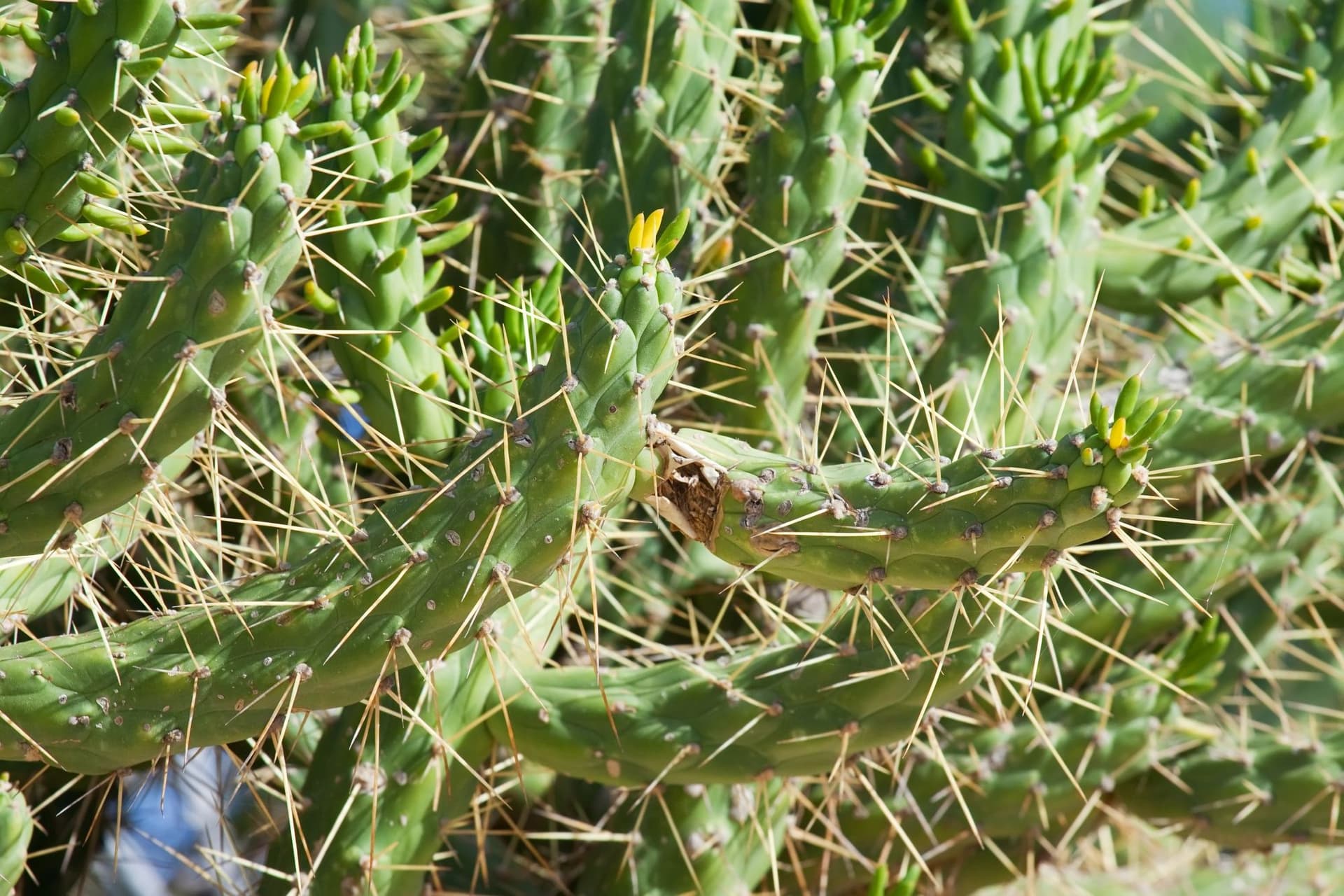
10 min read · 25 Aug 2026
Many plants defend themselves with sharp thorns. This guide explores over 20 examples among flowers, shrubs, trees, and vines. You'll learn what each plant looks like, why it grows thorns, and how to quickly identify them.
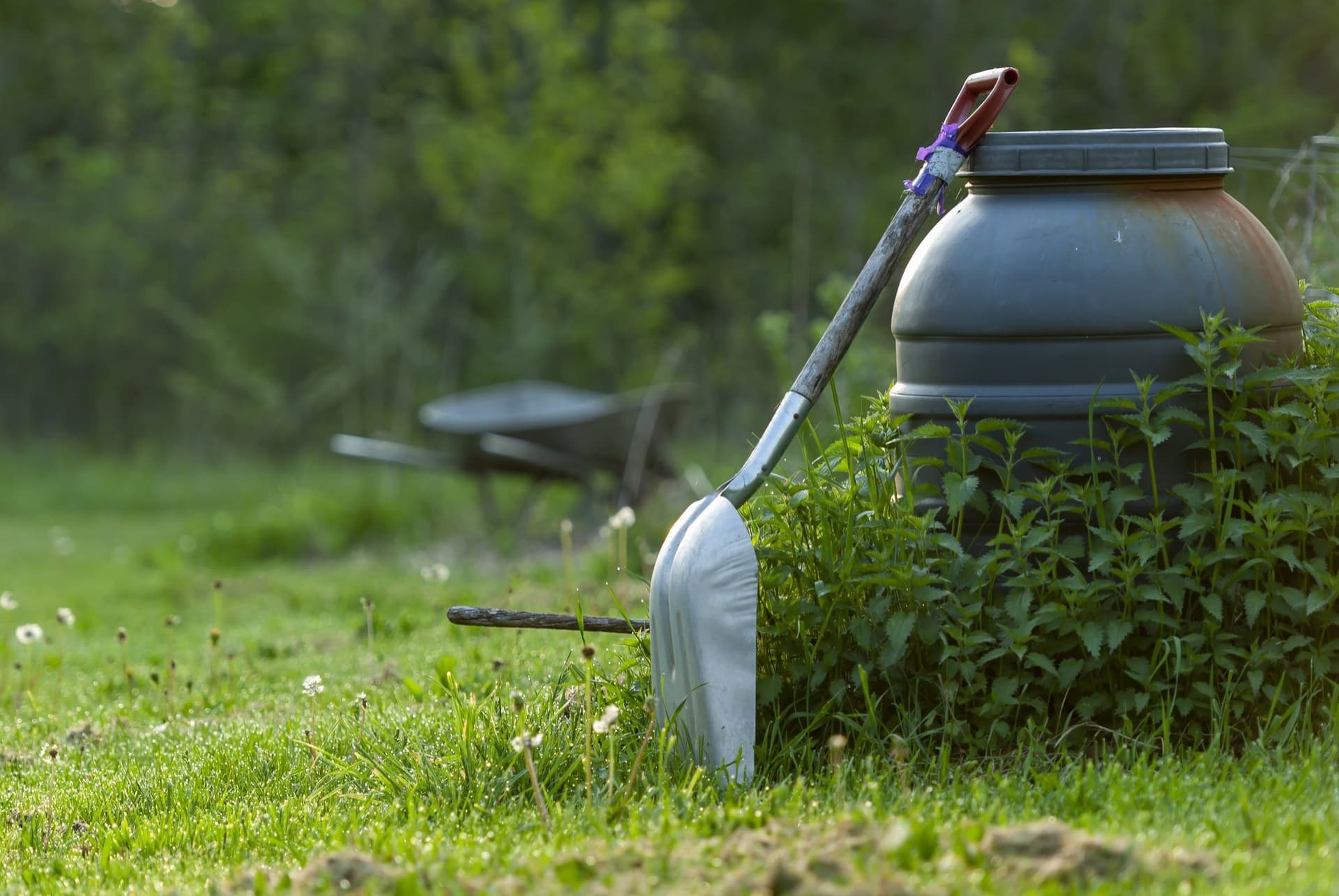
6 min read · 18 Aug 2026
The right fertilizer in summer can make a lawn thrive. The wrong one can damage it. Here, you’ll learn the best NPK ratios by grass type, when and how to apply your formula, and how to recognize the signs of over- or under-fertilizing.