Blanketflower Care (Gaillardia × grandiflora)

Blanketflower

About Blanketflower

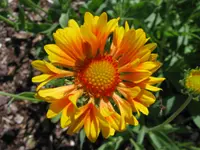
Blanketflower (Gaillardia × grandiflora) is a short-lived herbaceous perennial grown mainly for its bright, daisy-like flowers. It forms low, clumping mounds with upright stems topped by red, orange, and yellow blooms. Many selections come from North American prairie and meadow species, so they are adapted to sunny, open, and often dry conditions. This background makes them suitable for borders, pollinator gardens, and informal landscapes. The plant is generally easy to grow, as long as it has full sun and well-drained soil and is not overwatered. Understanding how to care for Blanketflower mostly involves providing strong light and avoiding consistently wet conditions.

Main Plant Requirements

Care Difficulty

Easy Care

Light Preference

Full Sun

Water Requirements

Low Water

Temperature Preference

Cold Hardy

Hardiness Zone

3–10

Soil Texture

Sandy, Loamy, Rocky

Soil pH

Acidic (5.5–6.5), Slightly acidic (6.5–7.0)

Soil Drainage

Well-drained

Fertilization

Minimal (feed rarely)

Get Personalized Care Plan

Scan your plant to receive care tips personalized for your specific plant

Available on iOS and Android

How to Care for the Blanketflower

Gaillardia × grandiflora thrives in strong sun to fuel abundant flowering.

  • Provide 6–8 hours of direct sun daily; Blanketflower performs best in open, unshaded beds or borders.
  • It tolerates light afternoon shade in very hot regions, but too much shade causes floppy growth, fewer blooms, and washed-out flower color.
  • In spring and fall, full sun is ideal; in intense summer heat, prioritize morning sun with light afternoon shade to reduce stress and fading.

This species prefers infrequent, deep watering and well-drained soil.

  • Outdoors in the ground, water only when the top 3–5 cm of soil is completely dry, then soak the root zone thoroughly.
  • Use sharply drained soil or amended beds; standing water, heavy clay, or poor drainage quickly lead to root rot and leaf yellowing.
  • In hot summer, watch for wilting or crisp leaf edges as signs to water; in cool seasons, reduce watering to prevent soggy conditions for Gaillardia × grandiflora.

This plant is adapted to sunny, open sites with moderate to high temperatures.

  • Optimal growth occurs around 65–80°F (18–27°C), with best flowering in warm, bright conditions.
  • Established plants tolerate heat up to about 95°F (35°C) if soil drains well and drought stress is not extreme.
  • Most cultivars are hardy to roughly 0–5°F (−18 to −15°C); young plants and new divisions benefit from mulch to buffer winter freezes and spring temperature swings.

This species thrives in dry to moderately humid air, making humidity a low-priority factor.

  • Target 30–50% humidity, typical of most heated and air-conditioned homes or outdoor conditions.
  • Blanketflower tolerates dry air well, with foliage usually unaffected unless combined with extreme heat and drought.
  • If leaf tips crisp despite adequate watering, provide light wind protection rather than misting, which offers little lasting humidity benefit.

This plant prefers lean, well-drained soil that dries between waterings.

  • Use a sandy or sandy-loam mix, such as 60–70% all-purpose potting mix blended with 30–40% coarse sand or fine grit for sharp drainage.
  • Aim for slightly acidic to neutral pH around 6.0–7.0, avoiding strongly acidic or alkaline conditions that reduce nutrient availability.
  • Incorporate only a modest amount of compost, since overly rich, organic-heavy substrates promote floppy growth and fewer flowers in Gaillardia × grandiflora.
  • Prevent compaction by mixing in mineral aggregates like perlite or small pumice, which improve aeration and help roots resist rot in wet weather.

This species is well suited to container growing outdoors in sunny spots.

  • Choose a wide, low to medium-depth pot to accommodate its spreading, clumping habit without making the container top-heavy in wind.
  • Select terracotta or other porous materials if rainfall is frequent, as they allow faster evaporation and reduce the risk of root rot.
  • Elevate the pot on risers or feet so drainage holes stay clear and excess water can leave quickly after storms or heavy irrigation.

Gaillardia × grandiflora prefers lean soil and only light feeding to support flowering without excessive foliage growth.

  • Apply a light top-dressing of compost in spring to refresh nutrients in the root zone.
  • Use a balanced slow-release fertilizer (around 10-10-10) at half strength once at the start of the growing season.
  • In containers, supplement with a diluted balanced liquid feed (1/4–1/2 strength) every 4–6 weeks in summer.
  • Stop feeding in late summer to allow growth to harden before winter and avoid soft, frost-tender tissue.

Pruning helps Gaillardia × grandiflora maintain compact growth and extend its blooming period.

  • Deadhead spent flower stems with clean hand pruners to promote continued flowering and reduce unwanted self-seeding.
  • Remove dead, diseased, or damaged stems whenever noticed to limit disease spread and keep the plant tidy.
  • Thin out crowded basal shoots in early summer to improve air flow and reduce fungal issues.
  • Cut back the entire clump to 5–10 cm in late fall or very early spring to refresh growth for the next season.

This perennial is usually grown in garden beds, so focus on transplanting and occasional container refreshing rather than frequent repotting.

  • Transplant in early spring or early fall so roots can establish in cool, moist conditions.
  • Move plants when clumps become crowded, flowering declines, or growth slows despite good light and water.
  • For containers, repot every 2–3 years or when roots circle the pot, using a gritty, well-drained mix.
  • Water thoroughly before and after moving, handle the root ball gently, and shade for 2–3 days to reduce transplant shock.

Gardeners commonly renew and spread Gaillardia × grandiflora using division and seeds.

  • Divide mature clumps in early spring or early fall, replanting healthy sections with strong buds and roots.
  • Sow seeds indoors 6–8 weeks before the last frost or direct sow outdoors after frost danger has passed.
  • Provide germinating seeds with light, well-drained soil, 65–75°F temperatures, and only a thin soil covering.
  • Take short stem cuttings in late spring, root them in a sandy mix, and maintain bright, indirect light and moderate moisture.

Established Blanketflower plants are generally cold hardy and need minimal winter attention in most temperate gardens.

  • In colder regions, apply a light mulch layer (5–7 cm) after the ground freezes to stabilize soil temperature.
  • Avoid heavy, wet mulches that can trap moisture and cause crown rot over winter.
  • Container-grown plants in very cold climates can be moved into a cold, bright, frost-free space until spring.

Care Tips

Shear For Rebloom

As soon as the first flush of flowers fades, shear plants back by about one-third and remove most of the spent stems to encourage a stronger second bloom and keep the clump compact.

Renew Crowded Clumps

Every 2–3 years, lift and divide declining or open-centered plants in early spring, replanting only the youngest, most vigorous outer sections to maintain flowering performance.

Selective Deadheading

Leave a few spent flower heads on sturdy, healthy stems at the end of the season to allow self-seeding for naturalistic drifts while deadheading the majority to maintain a tidy appearance.

Support In Windy Sites

In exposed gardens, insert low, unobtrusive ring supports or short stakes early in the season so stems can grow through them, reducing lodging and stem breakage during summer storms.

Targeted Winter Prep

In cold climates, cut back stems to 5–8 cm once they die back, then apply a light, well-drained mulch around but not over the crown to reduce winter heaving without trapping excess moisture when growing Blanketflower.

Common Pests and Diseases

Leafhoppers

These insects suck sap from leaves and stems, causing stippling, pale patches, and sometimes distorted growth, and they can transmit plant viruses. Symptoms include quick yellowing on stressed plants in hot, dry weather.

Solution

Reduce weeds and tall grass near plantings, then use a strong spray of water to dislodge nymphs from foliage. If populations stay high, apply an insecticidal soap or neem oil thoroughly to leaf undersides in the early morning, and repeat as needed while monitoring for beneficial insects.

Aphids

These insects cluster on tender stems and flower stalks, sucking sap and excreting sticky honeydew that can lead to sooty mold. Symptoms include curling young growth and distorted or stunted flower stems.

Solution

Rinse colonies off with a firm stream of water, focusing on shoot tips and bud clusters. For persistent infestations, use insecticidal soap or neem oil every 5–7 days until numbers drop, and encourage natural predators like lady beetles by avoiding broad-spectrum insecticides when caring for Blanketflower.

Powdery mildew

This disease produces white, powdery patches on leaves, usually starting on lower or crowded foliage in humid, warm conditions. Symptoms include dull, gray-green leaves that may yellow and dry early.

Solution

Improve air circulation by thinning crowded stems and avoiding overhead watering, then remove and discard heavily infected leaves. In recurrent cases, apply a sulfur or potassium bicarbonate fungicide labeled for ornamentals at the first sign of white growth, following label intervals during humid periods.

Aster yellows

This disease is caused by a phytoplasma spread by leafhoppers and leads to yellow, stunted plants with deformed, greenish flowers that often fail to set normal seed. Symptoms include witch’s broom-like tufts of growth and odd, leafy flower centers.

Solution

Promptly remove and destroy affected plants, including roots, since there is no cure once symptoms appear. Control nearby weeds that can host the phytoplasma and manage leafhopper populations around plantings to reduce future spread.

Botrytis blight

This disease causes soft, brown spots on petals and flower heads that develop fuzzy gray mold, especially in cool, damp weather or where spent blooms remain on the plant. Symptoms include browning and collapse of flower heads and nearby foliage.

Solution

Deadhead spent flowers regularly and remove any mushy or moldy tissue, disposing of it in the trash rather than compost. Improve spacing and sun exposure so foliage dries quickly, and in wet periods consider a preventative fungicide labeled for gray mold if the plant has a history of severe outbreaks.

Interesting Facts

Hybrid of prairie species

This plant is a stabilized hybrid between the North American species Gaillardia aristata and Gaillardia pulchella, combining the cold tolerance of the former with the heat and drought tolerance of the latter.

Continuous summer flowering

Under full sun and with spent blooms removed, it can flower repeatedly from late spring into fall, producing waves of new flower heads rather than a short, single flush.

Distinctive seed head structure

After the petals drop, the spherical seed heads become densely bristled and woolly, a structure that aids gradual seed release and also provides food and perching sites for small seed-eating birds.

Botan icon

Did you know?

Modern breeding of Gaillardia × grandiflora has produced many seed-sterile cultivars that flower more heavily and for a longer season because the plant diverts energy from seed production into continuous bud formation.

FAQs about Blanketflower

Lack of blooms often comes from too much shade, excessive nitrogen fertilizer, or old, spent flower stalks left on the plant. Provide full sun, avoid rich fertilizer, and deadhead regularly to keep new buds forming through the season.

Grow Healthy Plants with Botan Care

Keep your plants happy and healthy with plant identification, disease detection, and easy care guidance.

Botan plant care app — identify plants on mobile

Explore More Plants