Knotted Crane's-bill Care (Geranium nodosum)

Knotted Crane's-bill

About Knotted Crane's-bill

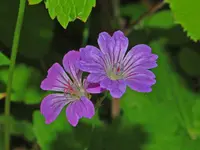
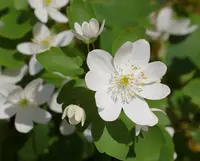
Knotted crane's-bill, Geranium nodosum, is a hardy perennial geranium grown mainly for its relaxed, natural look. It forms low, loose clumps with slightly glossy, lobed leaves and delicate, funnel-shaped flowers in soft pinks to mauves. Blooms typically appear over a long season, often in partial shade where many other flowering plants struggle.

This species is native to parts of southern and central Europe, where it grows in woodland edges and rocky, shaded slopes. It is valued in gardens for its tolerance of shade, its resilience, and its low maintenance needs, which makes it relatively easy to care for Knotted Crane's-bill. It generally prefers light shade, moderately moist but well-drained soil, and protection from extreme heat or drought.

Main Plant Requirements

Care Difficulty

Easy Care

Light Preference

Partial Shade

Water Requirements

Moderate Water

Temperature Preference

Cold Hardy

Hardiness Zone

5–8

Soil Texture

Loamy, Silty, Organic-rich

Soil pH

Acidic (5.5–6.5), Slightly acidic (6.5–7.0)

Soil Drainage

Moist but well-drained

Fertilization

Minimal (feed rarely)

Get Personalized Care Plan

Scan your plant to receive care tips personalized for your specific plant

Available on iOS and Android

How to Care for the Knotted Crane's-bill

This woodland perennial prefers soft, dappled light rather than intense sun exposure.

  • Provide 3–5 hours of morning sun with light or open shade the rest of the day; bright, filtered light under shrubs or trees suits Knotted Crane's-bill well.
  • Tolerates partial to full shade, but flowering decreases in deep shade; aim for at least bright shade where you can comfortably read.
  • Avoid strong midday and late-afternoon sun, especially in summer, which can scorch leaves; in hotter regions, shift plants to more shade from late spring onward.

This plant prefers evenly moist but never waterlogged soil once established.

  • Water when the top 3–5 cm of soil feels dry and the soil surface looks dull rather than glossy, then soak the root zone thoroughly.
  • Use well-drained soil with some organic matter so excess water runs off easily; standing water or sticky, sour-smelling soil signals a drainage problem for Geranium nodosum.
  • In spring and early summer, check moisture more often; in cool, rainy or dormant periods, reduce watering, watching for wilting (too dry) or yellowing, soft stems (too wet).

This hardy perennial tolerates a wide temperature range typical of temperate gardens.

  • Best growth occurs around 55–75°F (13–24°C), when foliage is lush and flowering is consistent through the growing season.
  • Mature plants usually survive down to about 0°F (−18°C) in well-drained soil; top growth may die back after hard frosts, then re-sprout in spring.
  • Handles summer warmth up to about 85–90°F (29–32°C) if soil stays slightly moist and roots are shaded; prolonged hotter, dry periods can cause leaf scorch and early dormancy.

Geranium nodosum tolerates a wide humidity range and rarely needs special humidity management indoors or outdoors.

Geranium nodosum prefers loose, humus-rich soil that retains some moisture yet drains freely.

  • Use a loamy mix with 40–60% garden soil, 20–30% compost, and 20–30% sharp sand or fine grit to balance moisture and drainage.
  • Aim for slightly acidic to neutral pH, roughly 6.0–7.0, which supports balanced nutrient availability for roots.
  • In heavy clay, improve aeration and structure by incorporating coarse sand, fine bark chips, and well-rotted leaf mold before planting.
  • Avoid compacted, waterlogged, or very shallow soil layers, which increase root rot risk and reduce root spread.

This species is suitable for container growing on patios, balconies, and shaded entries.

  • Choose a pot at least 25–30 cm wide and deep to give the spreading root system enough space without rapid drying.
  • Use a heavier material such as ceramic or clay outdoors so the container stays stable as the plant spreads and catches wind.
  • Raise the pot slightly on feet or bricks so drainage holes stay clear and excess water can escape quickly after rain or watering.

Geranium nodosum benefits from light, balanced feeding but grows acceptably in average garden soil without heavy fertilizer use.

  • Apply a balanced, all-purpose fertilizer (for example 10-10-10) at half strength every 4–6 weeks in spring–mid summer.
  • Use a thin layer of garden compost around the root zone in spring to support soil life and slow nutrient release.
  • Avoid overfeeding; high nitrogen can cause soft growth and fewer flowers, especially in Knotted Crane's-bill.
  • Stop feeding in late summer so growth can harden before winter and do not apply fertilizer during winter dormancy.

Pruning helps Geranium nodosum maintain a neat shape and encourages repeat flowering.

  • In late spring–summer, shear back faded flower stems and leggy growth with clean hand shears to promote fresh foliage and blooms.
  • Remove dead, damaged, or diseased stems whenever noticed to reduce pest and disease problems.
  • Thin crowded sections lightly to improve air movement and maintain an open, mounded habit.
  • In late autumn or very early spring, cut back old, tired foliage close to the base to refresh the clump.

This woodland geranium is more often transplanted in garden beds than repotted in containers.

  • Transplant in early spring or early autumn, when weather is cool and soil moisture is steady.
  • Look for declining vigor, crowded clumps, or roots circling a pot as signs it needs division or a larger space.
  • Lift the clump carefully, preserve as much root ball as possible, and replant at the same depth in well-drained soil.
  • Water thoroughly after planting, then keep soil lightly moist for several weeks to limit root stress and help re-establishment.

This species is commonly propagated by division, cuttings, and seeds to expand groundcover plantings.

  • Divide mature clumps in early spring or early autumn, replanting firm, rooted sections immediately.
  • Take non-flowering stem cuttings in late spring–summer, then root them in moist, free-draining mix under bright, indirect light.
  • Sow fresh seed in trays outdoors in autumn; natural winter chilling helps break dormancy and improve germination.
  • Label divisions or trays, keep media evenly moist but not waterlogged, and avoid high heat while new roots form.

Geranium nodosum is generally cold hardy in temperate climates and needs minimal winter care once established.

  • Tolerates typical garden frosts; top growth may die back while roots remain viable.
  • Apply a light mulch layer (2–5 cm) of leaves or compost over the root zone in late autumn, especially in colder regions.
  • Container plants in very cold areas can be moved into a sheltered, unheated space to reduce freeze–thaw stress.

Care Tips

Gradual division timing

Divide established clumps in early spring or early autumn, replanting sections immediately at the same depth to rejuvenate growth and quickly fill shady gaps in borders.

Self-seeding management

Deadhead spent flowers only where you do not want seedlings, but allow some seed heads to remain in wilder areas if you want the plant to slowly naturalize in suitable shade.

Mulch for root comfort

Apply a 3–5 cm layer of fine organic mulch around, but not touching, the crowns each spring to keep roots cool, conserve moisture, and reduce weed competition.

Edge barrier control

Install a shallow edging strip or dig a narrow spade cut around the planting area every year or two to limit sideways spread into neighboring groundcovers while still allowing the plant to form a soft colony.

Slug and snail checks

Inspect young shoots in spring and after wet spells, hand-picking slugs and snails or using physical barriers like copper tape where necessary, since protecting early foliage is key to successful Geranium nodosum plant care.

Common Pests and Diseases

Vine weevils

This pest attacks roots and foliage, with adults chewing notches in leaf edges and larvae feeding on the fine roots and crown. Symptoms include sudden wilting, poor growth, and notched leaves, especially in container plants.

Solution

Inspect pots and soil for creamy white, C-shaped larvae and discard heavily infested plants. For lighter infestations, use biological controls such as nematodes in spring and late summer, and hand-pick adult beetles at night while also refreshing potting mix to reduce larvae numbers.

Geranium sawfly

These insects feed on the leaves, leaving irregular holes and sometimes skeletonizing the foliage so only veins remain. Symptoms include rapid loss of leaf area and ragged foliage on otherwise healthy plants.

Solution

Check undersides of leaves for greenish larvae from late spring and remove them by hand or prune off heavily affected stems. Encourage natural predators and, if needed, use a targeted insecticidal soap or horticultural oil, ensuring good leaf coverage, especially on undersides.

Leaf spot

This disease causes small, round to irregular brown or purple spots on leaves, often with a pale center. Symptoms include gradual yellowing, early leaf drop, and a generally untidy appearance of the clump.

Solution

Remove and discard affected leaves promptly and avoid overhead watering to keep foliage dry. Improve air circulation around plants, space clumps properly, and if the problem recurs, apply a suitable ornamental fungicide early in the season according to label directions.

Powdery mildew

This disease appears as white or grayish powdery patches on upper leaf surfaces, stems, and flower stalks. Symptoms include distorted leaves, reduced flowering, and general loss of vigor, especially in crowded or dry, shady sites.

Solution

Cut off and dispose of the worst affected leaves to reduce spore load and improve airflow by thinning crowded growth. Water at the base, avoid wetting foliage, and in persistent cases use a sulfur or potassium bicarbonate-based fungicide as part of broader Geranium nodosum care instructions.

Interesting Facts

Shade-tolerant woodland geranium

This species is naturally adapted to deciduous woodlands of southern and central Europe, where it thrives in deep to partial shade under trees and shrubs, unlike many sun-loving hardy geraniums.

Nodosum name meaning

The species epithet nodosum refers to the slightly knobbly or swollen nodes along the stems, a small but distinctive structural feature visible on older growth.

Late-season flowering habit

It often flowers from late spring into early autumn, providing pale pink to lilac blooms when many other woodland perennials have finished, which can extend nectar availability for pollinating insects.

Botan icon

Did you know?

Geranium nodosum is one of the hardy geraniums most tolerant of dry shade once established, which makes growing Knotted Crane's-bill unusually valuable for planting beneath mature trees where many ornamental perennials fail to persist.

FAQs about Knotted Crane's-bill

This species spreads moderately by short rhizomes and self-seeding, forming loose colonies over time. It is usually manageable in gardens, especially if spent flowers are removed and unwanted seedlings are pulled during routine maintenance.

Grow Healthy Plants with Botan Care

Keep your plants happy and healthy with plant identification, disease detection, and easy care guidance.

Botan plant care app — identify plants on mobile

Explore More Plants