Coral Fern Care (Gleichenia polypodioides)

Also known as: Creeping Coral Fern, Creeping Fern
Coral Fern

About Coral Fern

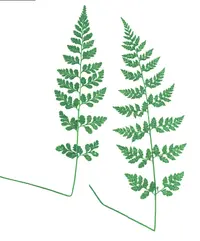
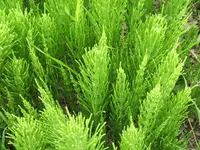
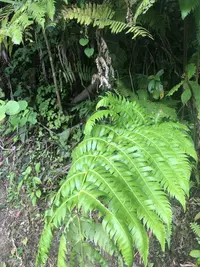
Coral fern, Gleichenia polypodioides, is a primitive, branching fern known for its stiff, forked fronds that create a layered, architectural look. It forms spreading clumps rather than a single upright crown.

In nature it grows in southern Africa, often on moist slopes, stream banks, and other cool, humid sites with excellent drainage. The plant prefers consistently damp, airy soil and protection from harsh, direct sun.

Its need for stable moisture, high humidity, and good air movement makes it more demanding than many common houseplants. Understanding how to care for Coral Fern helps reduce stress and maintain its distinctive, symmetrical foliage indoors or in sheltered outdoor spaces.

Main Plant Requirements

Care Difficulty

Hard Care

Light Preference

Partial Shade

Water Requirements

Keep Soil Moist

Temperature Preference

Tropical / Frost Sensitive

Hardiness Zone

10–11

Soil Texture

Loamy, Peaty, Organic-rich

Soil pH

Strongly acidic (4.5–5.5), Acidic (5.5–6.5)

Soil Drainage

Moist but well-drained

Fertilization

Minimal (feed rarely)

Get Personalized Care Plan

Scan your plant to receive care tips personalized for your specific plant

Available on iOS and Android

How to Care for the Coral Fern

This fern prefers bright, indirect light that mimics dappled woodland conditions.

  • Provide 3–5 hours of gentle morning sun with bright, filtered light the rest of the day; avoid harsh midday and afternoon sun that can scorch fronds.
  • Tolerates light to medium shade, but very deep shade leads to weak, stretched growth and sparse fronds in Coral Fern.
  • In hot summers, increase shade or use overhead filtering; in cooler months, allow a little more direct early sun to maintain compact, healthy growth.

This species thrives in consistently moist but not waterlogged soil.

  • Water when the top 2–3 cm of soil feel just barely dry, aiming to keep the root zone evenly damp rather than cycling between wet and dry.
  • Use free-draining, humus-rich soil so excess water escapes quickly; persistent puddling, sour smell, or blackened roots indicate overwatering.
  • In cooler months reduce frequency as growth slows, but never allow complete drying; crisp frond tips and curling indicate underwatering, while yellowing, limp fronds suggest excess moisture.

This fern favors mild, frost-free conditions similar to a cool, shaded woodland edge.

  • Aim for 60–77°F (16–25°C) for best growth; short spells up to 82°F (28°C) are tolerated if humidity and shade are adequate.
  • Protect from cold below 41°F (5°C); light chills may damage frond tips, and hard frost can kill young crowns.
  • In hot summers, combine shade, mulch, and steady soil moisture to buffer roots from heat, and avoid planting in spots that trap reflected or radiant heat.

This fern needs consistently high humidity to keep fronds healthy and prevent tip dieback.

  • Aim for 60–80% humidity; it declines quickly in heated or air-conditioned rooms.
  • Tolerates only brief dips to 40–50% before fronds crisp, curl, or brown along edges.
  • Increase humidity with a room humidifier, grouped plants, and a pebble tray placed directly beneath the Coral Fern, not by frequent misting.

This species prefers a loose, acidic, organic-rich mix that stays evenly moist yet drains freely.

  • Use a base of peat or coco coir with fine bark, compost, and 20–30% perlite to keep the mix light and airy.
  • Target a slightly acidic pH around 5.0–6.0, similar to many woodland fern habitats.
  • Ensure rapid drainage; water should pass through in seconds without pooling on the surface or in the saucer.
  • Avoid heavy clay, compacted mixes, or high-lime substrates, which cause root suffocation and nutrient lockout in Gleichenia polypodioides.

This fern can be grown in containers if the pot supports its spreading, scrambling growth habit.

  • Choose a wide, shallow container to accommodate surface-hugging rhizomes and reduce tipping as fronds arch outward.
  • Use a stable, heavier material like ceramic or clay outdoors to anchor the plant against wind and uneven frond weight.
  • Elevate the pot slightly on risers so drainage holes stay clear and runoff exits quickly, preventing water from reabsorbing into the mix.

Gleichenia polypodioides grows in low-nutrient environments and needs only light, careful feeding in cultivation.

  • Use a balanced, dilute liquid fertilizer (around 10-10-10) at 1/4–1/2 strength during active growth in spring–summer.
  • Apply every 4–6 weeks, only to moist substrate, to avoid root burn and salt buildup.
  • Reduce or stop feeding in fall–winter when growth slows, especially for indoor Coral Fern specimens.
  • In very lean mixes, incorporate a small amount of slow-release fertilizer or fine compost, avoiding direct contact with rhizomes.

Pruning Gleichenia polypodioides is mainly hygienic and shaping, rather than size control.

  • Best time is late winter or early spring, before strong new frond flush begins.
  • Remove dead, diseased, or badly damaged fronds at the base with clean, sharp scissors or snips.
  • Thin very crowded or tangled fronds to improve air movement and maintain an open, layered shape.
  • Avoid cutting into healthy rhizomes; frequent heavy cutting can weaken the plant and slow new growth.

This fern dislikes disturbance, so repotting or transplanting should be infrequent and carefully planned.

  • Look for roots circling the pot, water running straight through, or declining vigor as signs it needs more space.
  • Plan repotting or garden transplanting in early spring, before strong new growth starts, to support recovery.
  • Expect to move the plant to a slightly larger container only every 2–3 years, using a loose, well-drained mix.
  • Handle rhizomes and roots gently, keep the root ball as intact as possible, then water thoroughly and shade for 1–2 weeks to reduce stress.

Propagation of Gleichenia polypodioides is possible but more technical than many common house ferns.

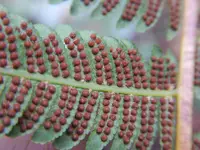
  • Spore propagation is the standard method; collect ripe brown spores from mature fronds in late summer.
  • Sow spores on sterilized, moist, fine-textured substrate, then cover to maintain constant humidity and warmth (68–75°F).
  • Provide bright, indirect light and avoid disturbance while the green prothalli and tiny sporophytes develop.
  • Division of established clumps is sometimes used, but each division must include healthy rhizome sections and several viable fronds.

This species prefers mild, frost-free conditions and benefits from basic winter protection in colder climates.

  • It is sensitive to hard frost; sustained temperatures below 28–30°F can damage fronds and young growth.
  • In-ground plants in cool regions benefit from a 5–8 cm mulch layer around the root zone, kept off the crowns.
  • Move container plants to a sheltered, frost-free area with bright, indirect light and good air flow over winter.

Care Tips

Layered frond support

Provide a low, wide mesh or horizontal wires for the fronds to rest on so the branching layers stay flat and open instead of collapsing under their own weight.


Cool root zone

Mulch the pot surface with fine orchid bark or fern fiber to keep the root zone cool and evenly moist while allowing air flow, which this species prefers over bare, exposed substrate.

High-airflow placement

Position the plant where there is gentle, constant air movement from a fan or open doorway to reduce fungal issues on the dense frond layers without drying the substrate.

Quarterly root check

Every 3–4 months, slide the root ball partly out of its pot to check for tight circling roots, then lightly tease and trim them back before repotting to maintain vigorous rhizome growth.

Gradual acclimation protocol

When moving the plant between greenhouse, indoor, or outdoor conditions, shift light and humidity in 3–4 small steps over 2–3 weeks to prevent frond scorch and to stabilize growth when caring for Coral Fern.

Common Pests and Diseases

Scale insects

This pest attaches to fronds and stems, sucking sap and causing yellowing, stunting, and gradual decline, especially on stressed plants in low-airflow sites.

Solution

Physically remove visible scales with a cotton swab dipped in 70% isopropyl alcohol, then wash fronds gently with lukewarm water and a few drops of mild soap; improve air circulation and avoid overfertilizing, and if populations persist, use a horticultural oil spray labeled safe for ferns, applied in the evening and rinsed lightly the next day.

Fern aphids

These insects cluster on soft new fronds and rachises, leading to curled growth, sticky honeydew, and sooty mold on the delicate Coral Fern foliage.

Solution

Rinse colonies off with a firm but gentle stream of water, repeat every few days, and introduce or encourage natural predators outdoors; in persistent indoor outbreaks, use insecticidal soap labeled for ferns, ensuring full coverage of undersides of fronds and repeating according to label directions as part of careful Coral Fern indoor care.

Rhizoctonia blight

This disease causes brown, sunken lesions at the base of fronds and along stolons, leading to dieback patches that spread through dense, moist plantings.

Solution

Remove and discard affected fronds and any soft, discolored rhizome sections, reduce overhead watering, increase spacing and airflow, and keep the surface just moist rather than wet; in severe cases, repot into fresh, free-draining medium and consider a labeled fungicide drench if conditions cannot be improved quickly.

Leaf spot

This disease produces irregular brown to black spots on fronds, sometimes with a yellow halo, which can coalesce and cause sections of the lacy frond to wither.

Solution

Prune out heavily spotted fronds, avoid wetting foliage when watering, and increase air movement around the plant; if new spots continue to appear, apply a fern-safe copper or chlorothalonil fungicide lightly, following label rates and allowing fronds to dry quickly after treatment.

Nematode damage

Symptoms include distorted, stunted fronds and patchy decline where soil-dwelling nematodes have damaged fine roots and shallow rhizomes in sandy or reused mixes.

Solution

Discard severely affected plants or divisions, avoid reusing contaminated potting media, and grow Gleichenia polypodioides in fresh, well-drained substrate; for valuable specimens, take clean tip cuttings or healthy divisions from unaffected sections and reestablish them in new containers under good cultural conditions.

Interesting Facts

Kerosene fern nickname

This species is commonly called kerosene fern in South Africa because its dried fronds ignite easily and burn with an intense flame, a well-known trait among land managers in its native range.

Tangle-forming growth

The plant produces long, repeatedly forked fronds that layer and interlace, forming dense, tangled thickets that can dominate slopes and cuttings along mountain passes in the Cape region.

Fire and erosion link

In some South African montane areas, dense stands trap wind-blown litter and can influence local fire behavior and surface runoff, which has led to its consideration in discussions of slope stability and vegetation management near roads and railway lines.

Botan icon

Did you know?

In its native South African range, this fern has spread so aggressively along infrastructure corridors such as railway cuttings and road embankments that it is formally listed and managed as an invasive or problem species in several regions, despite being a native component of the broader Cape flora.

FAQs about Coral Fern

Brown leaf tips or fronds usually come from low humidity, underwatering, or hot, direct sun. Check that the root zone never fully dries, increase humidity around the plant, and move it away from harsh sunlight or heat sources.

Grow Healthy Plants with Botan Care

Keep your plants happy and healthy with plant identification, disease detection, and easy care guidance.

Botan plant care app — identify plants on mobile

Explore More Plants