Sturdy trunk support
Install a stable, rot-resistant stake or post on the shaded side of the plant early on, and loosely tie the trunk at 30–40 cm intervals with soft ties to prevent wind rock and root damage as the crown becomes heavier.

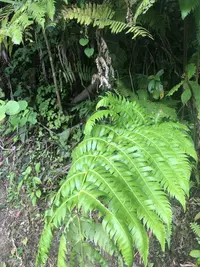
Cyathea horrida, often called deepwoods fern, is a tree fern known for its rugged trunk and large, divided fronds that create a dramatic, arching canopy. It forms a single upright stem that can slowly reach several meters in mild, frost-free climates.
This species is native to tropical and subtropical forests, where it grows in shaded, humid ravines and sheltered woodland. Its preference for consistent moisture, protection from strong sun, and stable warmth makes it more challenging than common house ferns.
Gardeners who care for deepwoods fern should provide a cool, moist, well-drained, organic-rich substrate and avoid exposure to drying winds or prolonged cold. It is best suited to experienced growers or specialized collections.

Care Difficulty
Hard Care

Light Preference
Partial Shade

Water Requirements
Keep Soil Moist

Temperature Preference
Tropical / Frost Sensitive

Hardiness Zone
10–11

Soil Texture
Loamy, Peaty, Organic-rich

Soil pH
Acidic (5.5–6.5)

Soil Drainage
Moist but well-drained

Fertilization
Minimal (feed rarely)
Scan your plant to receive care tips personalized for your specific plant
Available on iOS and Android
Cyathea horrida prefers bright, sheltered woodland-style light that mimics a forest understory.
This tree fern needs consistently moist but not waterlogged soil around its fibrous root zone and trunk base.
This species thrives in consistently mild, humid conditions without temperature extremes or frost exposure.
This fern needs consistently high humidity to maintain healthy fronds and growing tips.
Cyathea horrida prefers a moist, airy, organic-rich substrate that mimics decomposing forest litter.
This tree fern can be grown in containers if the pot supports its deep, moisture-loving root system.
Cyathea horrida benefits from light, consistent feeding during its active growing season.
Cyathea horrida needs only minimal pruning focused on cleanliness and safety around the trunk.
This tree fern dislikes frequent disturbance, so repotting or transplanting Cyathea horrida should be infrequent and careful.
Propagation of Cyathea horrida is possible but slow and technically demanding, mainly done from spores rather than division.
This species is sensitive to hard frost, so winter care for Cyathea horrida is important in cooler climates.

Plant Health Check
Not sure what's wrong with your plant? Check your plant's health inside the app.
This species is native to high-elevation cloud forests of New Guinea, where it grows in cool, very humid habitats with frequent mists and filtered light rather than in lowland tropical rainforest.
The trunk and lower parts of the frond stalks carry dense, stiff spines, a trait that is unusually pronounced even among tree ferns and likely offers protection from herbivores in its native habitat.
Mature plants form a single upright trunk topped with a crown of long, arching fronds that create a layered canopy structure, providing shade and moisture retention for smaller forest-floor plants and bryophytes beneath.

Cyathea horrida was originally described under a different genus and has undergone several taxonomic revisions, reflecting broader changes in how botanists interpret relationships within the tree fern family Cyatheaceae based on both morphology and molecular data.
Growth is moderate. In suitable outdoor conditions, new fronds usually appear each growing season, and the trunk may lengthen a few cm per year. Young plants establish slowly, then speed up once roots and crown are strong.
Keep your plants happy and healthy with plant identification, disease detection, and easy care guidance.