balloonplant Care (Gomphocarpus physocarpus)

Also known as: balloon cotton-bush, swan plant, swan milkweed, goose plant, hairy balls, Old Man's Balls
balloonplant

About balloonplant

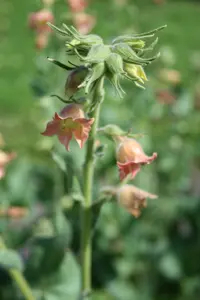
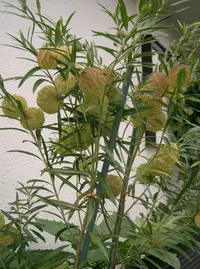
Balloonplant, Gomphocarpus physocarpus, is a fast-growing perennial subshrub often grown as an annual, known for its round, inflated seed pods covered with soft spines. It has narrow, lance-shaped leaves and upright stems, giving the plant a light, airy look in mixed plantings.

This species is native to southern Africa but is widely cultivated in warm and mild climates, particularly in butterfly and pollinator gardens. It is a host plant for monarch caterpillars and attracts many insects when in bloom.

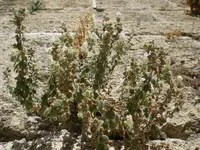
The plant prefers sunny, open sites with well-drained soil and tolerates heat and brief dry periods, which makes it relatively simple to care for balloonplant in suitable outdoor conditions.

Main Plant Requirements

Care Difficulty

Moderate Care

Light Preference

Full Sun

Water Requirements

Moderate Water

Temperature Preference

Tropical / Frost Sensitive

Hardiness Zone

8–11

Soil Texture

Sandy, Loamy, Organic-rich

Soil pH

Slightly acidic (6.5–7.0), Neutral (7.0)

Soil Drainage

Well-drained

Fertilization

Minimal (feed rarely)

Get Personalized Care Plan

Scan your plant to receive care tips personalized for your specific plant

Available on iOS and Android

How to Care for the balloonplant

This sun-loving species thrives in open, bright conditions for strong stems and abundant flowers.

  • Provide 6–8 hours of direct sun daily; full sun is best, especially morning sun with some light afternoon shade in very hot climates.
  • Plant balloonplant in an open site; it tolerates light partial shade but may grow taller, weaker, and flower less with under 4–5 hours of sun.
  • Watch for pale foliage and leggy growth as signs of too little light, and for leaf scorch or crispy edges when exposed to intense, reflected afternoon sun.

Gomphocarpus physocarpus prefers evenly moist but not saturated soil, supported by deep, infrequent watering.

  • Water when the top 3–5 cm of soil feels dry, allowing water to soak deeply into well-drained ground, then let excess run off completely.
  • Reduce watering in cool or cloudy weather and after flowering; increase slightly during hot, windy periods that dry the soil faster.
  • Watch for yellowing, soft stems, or a sour soil smell as overwatering signs, and for drooping, dull leaves and very dry soil as underwatering indicators.

This warm-season plant grows best in mild to hot conditions and is sensitive to frost.

  • Aim for active growth in 70–85°F (21–29°C); plants also tolerate 60–90°F (16–32°C) without stress in most conditions.
  • Protect from frost, as tissue is damaged around 32°F (0°C); growth slows sharply below 50°F (10°C) and plants may decline with repeated cold nights.
  • In hot spells above 95°F (35°C), provide soil mulch and occasional light afternoon shade to limit heat stress, wilting, and flower drop.

Humidity is rarely critical for Gomphocarpus physocarpus and it grows well in typical household or outdoor air.

  • Target 30–50% humidity, similar to average indoor conditions, for steady growth without special measures.
  • The plant tolerates dry air but prolonged levels below 25% may lead to leaf edge browning and premature leaf drop.
  • In heated, very dry rooms, place a shallow water tray near the balloonplant or group plants to reduce moisture loss.

Gomphocarpus physocarpus prefers lean, well-drained soil that does not stay wet after watering or rain.

  • Use a sandy or loamy mix with open structure, such as 50–60% potting mix blended with coarse sand and perlite for fast drainage.
  • Maintain slightly acidic to neutral pH around 6.0–7.0, avoiding strongly acidic or alkaline conditions that can limit nutrient uptake.
  • Add a small amount of mature compost to provide organic matter without making the mix heavy or waterlogged.
  • Avoid dense clay, poorly drained beds, or peat-heavy mixes that hold water for long periods and reduce root aeration.

This species adapts fairly well to container growing when given a stable, well-drained setup.

  • Choose a deep, heavy pot to counter the tall, top-heavy growth and reduce the risk of tipping in wind.
  • Select a container material with moderate porosity, such as thick-walled terracotta, to prevent both waterlogging and rapid drying.
  • Elevate the pot on feet or bricks so drainage holes stay clear and excess water exits quickly after heavy watering or rain.

This fast-growing perennial benefits from light feeding to support flowering and seed pod production.

  • Use a balanced, water-soluble fertilizer (for example 10-10-10) at 1/2 strength for caring for balloonplant in pots or poor soils.
  • Feed every 4–6 weeks during the active growing season, once night temperatures stay above 55°F.
  • In rich garden soil, rely mostly on compost or a thin top-dressing of well-rotted organic matter in spring.
  • Stop feeding in late summer and avoid fertilization in winter or dormancy to prevent weak, frost-tender growth.

Pruning helps keep Gomphocarpus physocarpus compact and encourages more flowering stems.

  • In late winter or early spring, remove dead, damaged, or disease-affected stems with clean, sharp pruners.
  • Lightly shorten leggy or crowded shoots to improve airflow and maintain a balanced, bushy shape.
  • Deadhead spent flower clusters to extend blooming and reduce unwanted self-seeding.
  • Disinfect tools between plants, especially if cutting diseased tissue, to limit pathogen spread.

This plant is usually grown outdoors in beds, but container specimens or seedlings may need occasional transplanting.

  • Look for roots circling the pot drainage holes, soil drying very fast, or stunted growth as signals to upsize.
  • Transplant in spring after frost risk passes, handling the taproot gently to limit disturbance.
  • Move up only 1 pot size and use a free-draining mix to reduce waterlogging stress.
  • Water thoroughly after transplanting and shade lightly for a few days to help roots re-establish.

New plants are most often raised from seed, though softwood cuttings are also possible.

  • Sow fresh seeds in late winter–spring in a well-draining seed mix kept at 68–75°F and lightly moist.
  • Gently scarify or soak seeds for several hours before sowing to improve germination speed and uniformity.
  • Provide bright light and good airflow; thin or prick out seedlings once true leaves appear.
  • For cuttings, take non-flowering shoots in late spring, use rooting hormone, and keep in high humidity until rooted.

This species is frost sensitive and needs protection in regions with cold winters.

  • In mild climates, apply a 5–8 cm mulch layer around the root zone, keeping it slightly away from stems.
  • Cut back blackened, frost-killed growth and discard it to reduce disease carryover.
  • In colder areas, grow in containers and move plants indoors to a bright, cool, frost-free space before nights drop below 40°F.
  • Water sparingly indoors in winter, allowing the top layer of soil to dry between waterings to prevent root rot.

Care Tips

Sturdy stake support

Install tall, rigid stakes and loosely tie stems with soft ties as plants reach 30–40 cm to prevent wind damage and keep seed pods elevated and evenly spaced.

Targeted aphid management

Inspect new growth twice weekly for aphids and use a strong water spray in the morning or spot-treat with insecticidal soap before populations build up and attract ants.

Seed pod timing

If seed saving is a goal, leave a portion of the earliest, healthiest pods to dry fully on the plant, but remove later pods before they split to limit self-seeding and redirect energy to vegetative growth.

Cut flower conditioning

When cutting stems for arrangements, harvest in the cool morning once pods have formed, immediately recut underwater, and place in deep, clean water to reduce wilting and extend vase life.

Seasonal succession planting

In warm regions, start a second sowing 4–6 weeks after the first to ensure a continuous display of decorative pods and provide backup plants if early ones are lost to storms or pests when growing balloonplant.

Common Pests and Diseases

Oleander aphids

This pest forms dense yellow-orange clusters on young stems, leaves, and seed pods, sucking sap and weakening the plant. Symptoms include distorted new growth, sticky honeydew, and sooty mold on affected areas.

Solution

Squash small colonies by hand or spray plants with a strong stream of water every few days to dislodge aphids, then follow with insecticidal soap or a ready-to-use neem oil spray, coating stems and leaf undersides. Remove heavily infested shoot tips and avoid excess nitrogen fertilizer, which encourages rapid, soft growth that attracts aphids.

Milkweed bugs

These insects feed on developing seed pods and seeds, often clustering on the inflated capsules of balloonplant. Symptoms include shriveled pods, reduced viable seed, and cosmetic damage rather than severe decline of the plant.

Solution

Handpick adults and nymphs into soapy water, or gently shake them off into a container during cooler morning hours when they move slowly. To reduce populations, remove spent pods before they fully mature, avoid leaving piles of seed debris nearby, and use fine mesh bags over select seed pods you want to keep for propagation when growing balloonplant.

Spider mites

This pest thrives in hot, dry conditions and feeds on the undersides of leaves, causing pale stippling and a dull, dusty appearance. Symptoms include fine webbing between leaves and stems and gradual leaf yellowing or drop under severe infestations.

Solution

Increase humidity around the plant and rinse foliage thoroughly with water, paying attention to the undersides of leaves, then apply insecticidal soap or horticultural oil and repeat weekly until mites are controlled. Reduce heat stress, avoid chronic drought, and inspect plants closely during hot, dry spells to catch infestations early.

Powdery mildew

This disease appears as white, powdery patches on leaves and stems, often starting on crowded or shaded parts of the plant. Symptoms include dull, distorted foliage and premature leaf yellowing and drop when infections are heavy.

Solution

Remove and discard affected leaves to reduce spore load, then improve spacing and airflow so foliage dries quickly. If conditions remain favorable for the disease, apply a sulfur-based fungicide or a labeled potassium bicarbonate product according to directions, and avoid overhead watering late in the day.

Leaf spot

Symptoms include small brown to black spots on leaves that may enlarge, merge, and sometimes develop yellow halos, often appearing after warm, wet weather. Infected leaves may yellow and drop prematurely, thinning the plant canopy.

Solution

Prune and discard heavily spotted leaves and any fallen debris around the base to limit reinfection, and water at soil level rather than over the foliage. In recurrent or severe cases, use a copper-based fungicide labeled for ornamental plants, applied at the first sign of spotting and repeated as directed during extended wet periods.

Interesting Facts

Inflated seed pods

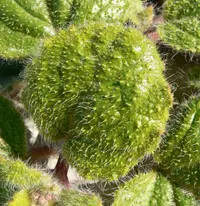
This species develops pale green, balloon-like seed pods covered in soft bristles, which are actually swollen, air-filled ovaries that aid in seed dispersal and protect the developing seeds from predators.

Monarch caterpillar host

As a milkweed relative rich in toxic cardenolides, it serves as a larval food plant for monarch and other danaine butterflies, which store these toxins in their bodies and gain chemical protection from predators.

Wind-adapted seeds

Its seeds are attached to silky, hair-like structures called comas that act as parachutes, allowing the seeds to travel long distances by wind and helping the plant colonize open, disturbed habitats.

Botan icon

Did you know?

In regions where it has naturalized outside its native range in southeast Africa, this plant can act as a minor invasive species, sometimes forming dense stands in disturbed areas and along roadsides, which has led to local monitoring or control efforts in parts of Australia and New Zealand.

FAQs about balloonplant

Yes, this species is very attractive to butterflies, especially monarchs, whose caterpillars feed on the foliage. The nectar-rich flowers also draw many bees and other pollinating insects, making it useful in wildlife and pollinator gardens.

Grow Healthy Plants with Botan Care

Keep your plants happy and healthy with plant identification, disease detection, and easy care guidance.

Botan plant care app — identify plants on mobile

Explore More Plants