Grahamia bracteata Care

Grahamia bracteata

About Grahamia bracteata

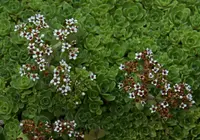
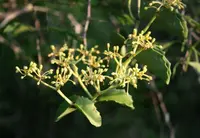
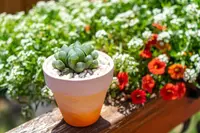
Grahamia bracteata is a small, clump-forming succulent perennial with slender, fleshy stems and narrow leaves. It often develops a low, spreading mound that suits pots or rock gardens.

The plant is native to arid and semi-arid regions of Australia, where it grows in rocky, well-drained soils. Its drought tolerance and modest size make it relatively easy to manage for growers with limited space.

Those who want to care for Grahamia bracteata should know it prefers bright light, infrequent but thorough watering, and a gritty, fast-draining substrate that keeps excess moisture away from the roots.

Main Plant Requirements

Care Difficulty

Easy Care

Light Preference

Full Sun

Water Requirements

Low Water

Temperature Preference

Warm Climate

Hardiness Zone

9–11

Soil Texture

Sandy, Loamy, Rocky

Soil pH

Slightly acidic (6.5–7.0), Slightly alkaline (7.0–7.5)

Soil Drainage

Well-drained

Fertilization

Minimal (feed rarely)

Get Personalized Care Plan

Scan your plant to receive care tips personalized for your specific plant

Available on iOS and Android

How to Care for the Grahamia bracteata

This sun-loving succulent thrives in bright, open conditions with some protection from extreme midday heat.

  • Provide 6–8 hours of direct sun daily, ideally with morning sun and light afternoon shade in hot summer regions, to support compact growth.
  • In areas with intense sun, use filtered light or 30–40% shade cloth at midday to prevent leaf scorch and pale, stressed foliage.
  • In cooler seasons, maximize light exposure by avoiding shade from taller plants or structures so Grahamia bracteata maintains dense, low growth.

This drought-tolerant species prefers infrequent, deep watering and fast-drying soil.

  • Allow the top 3–5 cm of soil to dry fully before watering; use this as the main guide rather than a fixed schedule.
  • Water thoroughly until excess runs from drainage or the soil is evenly moist, then let it dry; roots decline in soil that stays wet or soggy.
  • Reduce watering markedly in cool seasons when growth slows; wrinkling leaves suggest underwatering, while yellowing, soft stems suggest overwatering.

This succulent prefers warm, dry conditions and does poorly in prolonged cold or frost.

  • Aim for 65–85°F (18–29°C) for best growth, with good air movement to prevent heat buildup around the plant.
  • Protect from temperatures below 30–32°F (-1–0°C); frost can damage stems and tips, especially in exposed, windy sites.
  • In hot spells above 95°F (35°C), provide light afternoon shade and avoid reflected heat from walls or pavement to limit stress on Grahamia bracteata.

This drought-tolerant succulent handles 30–50% humidity and rarely needs special humidity care.

This species prefers a very free-draining, mineral-rich mix that mimics dry, rocky habitats.

  • Use sandy or gritty soil with low organic content to prevent moisture retention around the roots.
  • Combine 50–60% cactus mix with coarse sand, pumice, or fine gravel to increase drainage and aeration.
  • Aim for slightly acidic to neutral pH around 6.0–7.0, avoiding strongly acidic or alkaline conditions.
  • Avoid dense, peat-heavy, or clay-based substrates that stay wet, as these favor root rot and stem collapse.

This species is well suited to container growing, especially in dry or small outdoor spaces.

  • Choose a wide, shallow pot that matches its spreading root system rather than a deep, narrow container.
  • Select a heavy or low-profile container to reduce tipping if stems sprawl over the rim.
  • Use a pot material like unglazed terracotta that allows excess moisture to evaporate faster from the root zone.

This drought-tolerant succulent shrub needs only light feeding to maintain healthy, compact growth.

  • Use a diluted balanced liquid fertilizer (around 10-10-10) at 1/4 strength during active growth in spring and summer.
  • Feed container-grown Grahamia bracteata every 4–6 weeks; in-ground plants usually do well without added fertilizer.
  • Choose either a low-dose balanced NPK solution or a very light top-dressing of fine compost for organic nutrition.
  • Stop feeding in fall and winter to match slower growth and reduce the risk of weak, leggy shoots.

This plant benefits from modest pruning to keep a neat, well-branched form.

  • Prune Grahamia bracteata in late winter or early spring before strong new growth begins.
  • Remove dead, damaged, or crossing stems first, using clean, sharp scissors or small pruning shears.
  • Shorten overly long or sparse shoots to encourage denser branching and a compact outline.
  • Avoid heavy cutting into old, woody stems; maintain shape with light, selective tip pruning.

This shallow-rooted succulent is usually slow growing and dislikes frequent disturbance.

  • Plan repotting or transplanting in late spring when temperatures are stable and growth is starting.
  • Look for roots circling the pot base, crowded soil, or unexplained slow growth as signs it needs a larger container or space.
  • Repot or transplant every 3–4 years at most, moving only 1 pot size up and using a fast-draining gritty mix.
  • Handle roots gently, keep the root ball as intact as possible, and water lightly after moving to limit transplant shock.

This species is most often propagated from cuttings, with seed used less commonly.

  • Take 5–8 cm semi-ripe stem cuttings of Grahamia bracteata in late spring or early summer.
  • Allow cut ends to callus for 1–2 days, then place in a sharply draining, mostly mineral mix.
  • Keep cuttings warm (70–80°F) with bright, indirect light and very light, infrequent watering.
  • Sow fresh seed on the surface of a sandy mix, maintain gentle warmth, and keep just barely moist for germination.

This succulent shrub is only moderately frost tolerant and benefits from simple winter precautions in colder regions.

  • In mild climates, a gritty, well-drained site usually lets roots withstand light frosts if soil does not stay wet.
  • Apply a thin, inorganic mulch such as coarse gravel around the base to insulate roots while avoiding excess moisture.
  • Move container-grown Grahamia bracteata under cover or indoors before temperatures drop below about 30°F.

Care Tips

Encourage Compact Shape

Pinch back soft, extending tips once or twice in the growing season to keep the plant dense and low, which also reduces the risk of stems snapping in strong wind or accidental knocks.

Use Inert Topdressing

Apply a thin layer of fine gravel or pumice on the soil surface to keep stems dry at the base, reduce algae and moss, and stabilize this shallow-rooted succulent in its pot.

Seasonal Light Shifting

Move containers slightly farther from intense south- or west-facing windows in midsummer and closer again in autumn to balance compact growth with reduced risk of sunscald on the fleshy leaves and stems.

Wind Exposure Management

If grown outdoors, place the pot where it receives light, steady air movement but is shielded from strong, gusty wind that can desiccate the small leaves and snap brittle succulent stems.

Propagate As Insurance

Take several short, healthy stem cuttings at the start of the warm season, root them in a separate tray, and keep at least one spare plant as backup, which is a common safeguard when growing Grahamia bracteata long term.

Common Pests and Diseases

Mealybugs

This pest feeds on succulent stems and leaf bases, sucking sap and causing stunting, yellowing, and sticky honeydew on the plant. Symptoms include white, cottony clusters in stem joints and on roots in pot-grown plants.

Solution

Remove visible clusters with a cotton swab dipped in 70% isopropyl alcohol, then rinse the plant with a firm but gentle stream of water. Improve light and air movement, avoid overfertilizing, and, if needed, use a light horticultural oil or insecticidal soap applied thoroughly to stems, leaf bases, and the container rim, repeating every 7–10 days until no new insects appear.

Aphids

These insects colonize tender shoot tips and flower stems, extracting sap and causing distortion, curling, and sticky honeydew that can attract ants. This pest can weaken new growth and reduce flowering in Grahamia bracteata care.

Solution

Spray the plant with a strong but controlled jet of water to dislodge most aphids, then treat remaining insects with insecticidal soap, ensuring full coverage of undersides of leaves and young stems. Control nearby ant activity, avoid high-nitrogen fertilizer, and repeat treatments at 5–7 day intervals until populations collapse.

Spider mites

These pests thrive in hot, very dry conditions and feed on the foliage, causing fine stippling, dulling of the leaf surface, and sometimes delicate webbing between stems. Symptoms include a dusty appearance of leaves and slow decline in vigor.

Solution

Rinse the entire plant thoroughly with lukewarm water, focusing on leaf undersides and stems, and increase ambient humidity slightly without keeping the soil wet. For persistent infestations, use insecticidal soap or a light horticultural oil applied in the evening, repeating every 5–7 days while also reducing heat stress and improving airflow.

Scale insects

These insects appear as small, tan to brown bumps on stems and leaf bases, remaining fixed in place while drawing sap. This pest causes gradual yellowing, reduced growth, and sticky honeydew on and around the plant.

Solution

Gently scrape or peel off individual scales with a fingernail or soft brush, and wipe stems with a cloth lightly moistened with 70% isopropyl alcohol. Follow with an application of horticultural oil to coat any remaining juveniles, and monitor regularly, repeating spot treatments as soon as new scales are seen.

Cercospora leaf spot

This disease produces small, dark, circular or irregular leaf spots that may merge, causing premature leaf drop on stressed plants, especially in humid or overcrowded conditions. Symptoms include patchy thinning of foliage on lower or shaded stems.

Solution

Remove and discard affected leaves and any plant debris from the soil surface, then improve spacing and airflow and avoid overhead watering that keeps foliage wet. In persistent or severe cases, apply a copper-based fungicide according to label directions, treating new growth and repeating as required while maintaining drier foliage conditions.

Interesting Facts

Desert rainfall response

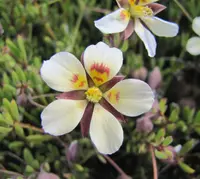
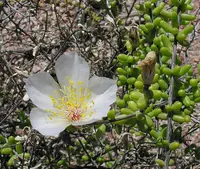
This succulent quickly produces small yellow flowers after summer rain in its arid native range of inland Australia, taking advantage of brief moisture pulses typical of ephemeral desert plants.

Tuberous water storage

It forms underground tuberous roots that store water and nutrients, an adaptation that helps it survive prolonged dry periods and resprout after stress.

Mat-forming growth habit

The plant naturally grows as a low, spreading mat with many slender, jointed stems, which reduces exposure to intense sun and wind at ground level in its open, rocky habitats.

FAQs about Grahamia bracteata

This species grows best outdoors in warm, frost-free climates where it receives plenty of light and good airflow. Grahamia bracteata indoor care is possible in bright windows or under grow lights, provided drainage is excellent and watering remains light.

Grow Healthy Plants with Botan Care

Keep your plants happy and healthy with plant identification, disease detection, and easy care guidance.

Botan plant care app — identify plants on mobile

Explore More Plants