Smooth Twinleaf Care (Roepera fulva)

Smooth Twinleaf

About Smooth Twinleaf

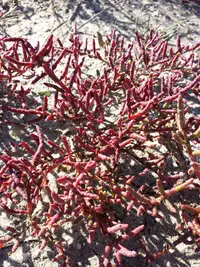
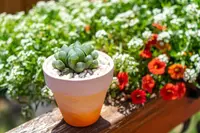
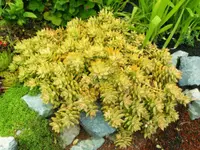
Smooth twinleaf, Roepera fulva, is a small, low-growing perennial from arid and semi-arid regions of Australia. It typically forms a compact clump with paired, fleshy leaves and small, often yellowish flowers. The overall habit is neat and ground-hugging, which makes it suitable for rock gardens and dry borders.

This species is adapted to full sun, lean soils, and dry conditions, so it usually dislikes heavy, waterlogged ground. Once established, it is relatively drought-tolerant but can struggle in humid, poorly drained sites. Those conditions largely determine how easy it is to care for Smooth Twinleaf.

Main Plant Requirements

Care Difficulty

Easy Care

Light Preference

Full Sun

Water Requirements

Low Water

Temperature Preference

Warm Climate

Hardiness Zone

9–11

Soil Texture

Sandy, Loamy, Rocky

Soil pH

Slightly alkaline (7.0–7.5)

Soil Drainage

Well-drained

Fertilization

Minimal (feed rarely)

Get Personalized Care Plan

Scan your plant to receive care tips personalized for your specific plant

Available on iOS and Android

How to Care for the Smooth Twinleaf

This sun-loving succulent from arid habitats thrives in strong light with minimal shade.

  • Provide 6–8 hours of direct sun daily; in hot inland sites, favor early morning and late afternoon sun with light midday shade.
  • In very bright, all-day exposure, monitor leaves for bleaching, crisp edges, or stunted growth, which indicate excess sun stress.
  • In winter or cloudy coastal areas, avoid deep shade; growth becomes sparse and leggy if light drops below about 4 hours of direct sun, reducing vigor when caring for Smooth Twinleaf.

This drought-adapted species prefers infrequent, deep watering and fast-drying soil.

  • Allow the top 3–5 cm of soil to dry completely before watering, using the feel of the soil rather than a fixed schedule.
  • In spring and summer, water thoroughly, then let excess drain; in cooler months, reduce frequency sharply to prevent root rot in Roepera fulva.
  • Watch for shriveling, soft stems, or dull foliage as signs of underwatering; yellow, mushy tissue or a sour soil smell indicate overwatering.

This desert-adapted plant handles heat well but is vulnerable to hard frost.

  • Target 70–90°F (21–32°C) for strongest growth, with good airflow to prevent heat buildup around the foliage and roots.
  • Protect from temperatures below 28°F (-2°C); brief light frost may be survived, but repeated or hard freezes can kill stems and roots.
  • During heat waves above 100°F (38°C), provide light shade and avoid watering during the hottest hours to limit stress and reduce scald risk.

This arid-adapted succulent tolerates low humidity and rarely needs special moisture control indoors or outdoors.

  • Target 30–40% humidity, which matches dry indoor air in heated or air-conditioned homes.
  • Plant structure resists moisture loss, but prolonged humidity above 60% can promote fungal spotting on stems and leaves.
  • If air is unusually humid, increase airflow with a small fan and avoid crowding Smooth Twinleaf close to other foliage.

Roepera fulva prefers very fast-draining, mineral-rich soil that mimics arid, rocky habitats.

  • Use a gritty mix such as 40% coarse sand, 40% fine gravel or pumice, and 20% low-organic cactus mix to prevent waterlogging.
  • Aim for slightly alkaline to neutral pH around 7.0–8.0, avoiding strongly acidic substrates that can stress roots.
  • In heavy native soil, build a raised bed with extra gravel and sand mixed through the top 15–20 cm to improve drainage and aeration.
  • Avoid clay-heavy, compacted, or peat-dominant mixes, which hold water around the roots and increase the risk of rot.

This species can be grown in containers if they are set up to drain quickly and stay relatively dry.

  • Choose a wide, shallow, heavy container so the spreading, low growth does not tip in wind or with uneven watering.
  • Use a mineral-heavy cactus or succulent mix with added coarse sand or pumice so water drains through within seconds.
  • Elevate the pot slightly on feet or bricks so drainage holes stay clear and runoff moves away from the base.

Roepera fulva benefits from light feeding but grows acceptably in lean, sandy soils.

  • Use a dilute balanced NPK fertilizer (such as 10-10-10 at 1/4–1/2 strength) during the active growing season.
  • Apply every 4–6 weeks in spring and early summer for container or nutrient-poor plantings.
  • Avoid fertilizing in late fall and winter when growth is slow or dormant.
  • Prefer slow-release granules or a thin layer of compost for low-maintenance Smooth Twinleaf care instructions.

Roepera fulva needs only modest pruning to maintain a tidy, open shape.

  • Carry out light pruning in late winter or early spring before strong new growth begins.
  • Remove dead, diseased, crossing, or storm-damaged stems with clean, sharp hand pruners.
  • Thin congested interior branches to improve air flow and light penetration.
  • Limit cuts to smaller stems to avoid stressing the plant and changing its natural form.

This species is usually grown in the ground, so focus on careful transplanting rather than frequent repotting.

  • Transplant in early spring or early fall when temperatures are mild and soil is workable.
  • Look for signs such as slow growth, roots circling a nursery pot, or the plant drying out quickly.
  • Move into a slightly larger hole or container with very free-draining, sandy mix to prevent waterlogging.
  • Handle roots gently, keep the original soil ball intact, water thoroughly, then shade and shelter for 7–10 days to reduce stress.

Roepera fulva can be propagated, but establishment is more reliable when conditions closely match its dry, sunny habitat.

  • Use ripe seeds sown in late winter or early spring in a gritty, fast-draining mix.
  • Provide bright light, good air flow, and only light, infrequent watering to prevent damping-off in seedlings.
  • Take short semi-ripe cuttings in late spring to summer, using rooting hormone and bottom warmth if available.
  • Maintain cuttings just moist, not wet, and avoid high humidity domes that encourage rot.

Roepera fulva is relatively cold hardy in suitable climates and usually needs minimal winter care in the ground.

  • In areas with repeated hard frosts below local norms, add a light, dry mulch layer around the root zone.
  • Keep mulch a few cm from stems to discourage rot in cold, wet conditions.
  • For container plants in colder zones, move pots to a sheltered, unheated but frost-protected spot.

Care Tips

Encourage Compact Growth

Pinch back the soft tips of overly long shoots in late spring to keep plants low, dense, and better able to withstand wind in exposed, arid sites.

Improve Drainage Mounds

In heavy or compacted soils, plant on a low raised mound (5–10 cm high) of gritty mix so the crown stays above any brief surface water after rain, which greatly reduces rot risk.

Heat-Reflective Placement

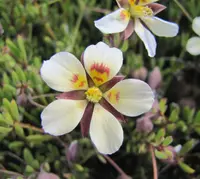
Site plants near rocks, gravel paths, or light-colored hardscape that reflect heat and light, which mimics its natural stony habitat and supports stronger flowering when you grow Roepera fulva.

Rain Protection Strategy

In regions with occasional heavy summer storms, place plants in slightly sloped beds or on the upper side of a rock outcrop so excess rainwater quickly runs off the root zone.

Targeted Seed Collection

If seed increase is desired, mark the most vigorous, floriferous plants and collect their capsules as they begin to dry, then store seeds in a labeled paper envelope in a cool, dry place for next-season sowing.

Common Pests and Diseases

Aphids

These insects cluster on tender shoots and flower stalks, sucking sap and causing distorted, yellowing growth and sticky honeydew on stems. This pest is most common on plants growing in richer or more frequently watered sites than typical for this desert species.

Solution

Prune off heavily infested tips, then hose remaining stems with a firm stream of water to dislodge insects. If needed, spot-treat colonies with insecticidal soap or a light horticultural oil early in the day, and reduce excess watering or fertilizing to discourage further outbreaks.

Mealybugs

These insects appear as small white cottony patches in stem crevices and on the undersides of leaves, causing gradual yellowing and weak growth. This pest often develops on plants grown in containers or sheltered spots with limited air movement.

Solution

Dab visible insects with cotton swabs dipped in 70% isopropyl alcohol, then rinse the plant with water after 10–15 minutes. For larger infestations, apply insecticidal soap or a light horticultural oil, making sure to coat stem joints, and repeat every 7–10 days until no new insects appear.

Leaf spot

This disease causes small tan to brown spots with darker margins on leaves, which can merge into larger blotches under prolonged humidity or overhead irrigation. Symptoms include premature leaf drop on stressed plants, especially in crowded beds or poorly ventilated sites.

Solution

Remove and discard affected leaves and any plant debris around the base, then irrigate at soil level rather than overhead to keep foliage dry. Improve spacing and airflow, and if spotting progresses, apply a labeled copper or chlorothalonil fungicide according to directions during the most humid period.

Powdery mildew

This disease produces a fine white powdery coating on leaves and young stems, leading to dull, stunted foliage in plants exposed to warm days, cool nights, and light shade. Symptoms include reduced flowering and early leaf aging if the infection is persistent.

Solution

Increase sun exposure toward a full-sun position if possible and avoid overhead watering, especially in the evening. Remove heavily affected foliage and treat remaining growth with sulfur or potassium bicarbonate products labeled for ornamental use, repeating as needed while conditions favor the disease.

Interesting Facts

Arid-zone succulent shrub

This species is a small, drought-adapted succulent shrub native to arid inland regions of Australia, typically found on sandy or loamy soils in open shrublands and plains.

Water-storing foliage

Its fleshy leaves store water and help the plant tolerate prolonged dry periods and high temperatures, a common adaptation among members of the Aizoaceae family.

Seasonal flowering pattern

It produces small, inconspicuous flowers that are often triggered by favorable seasonal conditions such as cooler temperatures and available soil moisture, rather than flowering continuously.

FAQs about Smooth Twinleaf

This species forms small, clumping mats and spreads slowly by short stems rather than long runners. It is not considered aggressive and usually stays where it is planted, making it controllable in rock gardens or dry borders.

Grow Healthy Plants with Botan Care

Keep your plants happy and healthy with plant identification, disease detection, and easy care guidance.

Botan plant care app — identify plants on mobile

Explore More Plants