Clusterleaf Brightfig Care (Lampranthus emarginatus)

Clusterleaf Brightfig

About Clusterleaf Brightfig

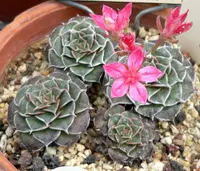
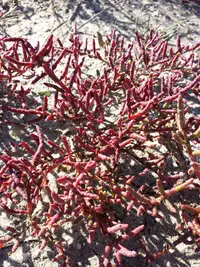
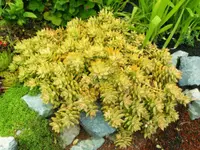
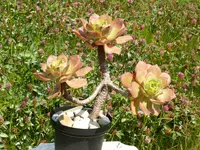
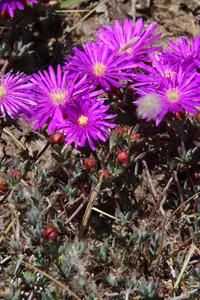
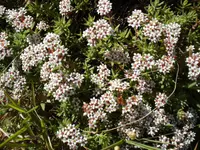
Clusterleaf Brightfig (Lampranthus emarginatus) is a compact, mat-forming succulent from the dry coastal regions of South Africa. It is grown mainly for its dense, bright green, clustered leaves and abundant daisy-like flowers in vivid shades of orange, pink, or magenta. Plants typically spread low across the soil or spill over the edges of pots and walls, creating a colorful carpet during the main flowering season. The fleshy, water-storing foliage makes it quite drought tolerant and generally low maintenance once established. It suits beginners who want to care for Clusterleaf Brightfig, provided it receives strong light, excellent drainage, and protection from prolonged frost or waterlogged soil.

Main Plant Requirements

Care Difficulty

Easy Care

Light Preference

Full Sun

Water Requirements

Low Water

Temperature Preference

Tropical / Frost Sensitive

Hardiness Zone

10–11

Soil Texture

Sandy, Loamy, Rocky

Soil pH

Slightly acidic (6.5–7.0), Neutral (7.0)

Soil Drainage

Well-drained

Fertilization

Minimal (feed rarely)

Get Personalized Care Plan

Scan your plant to receive care tips personalized for your specific plant

Available on iOS and Android

How to Care for the Clusterleaf Brightfig

Lampranthus emarginatus thrives in strong, direct light typical of open, sunny sites.

  • Provide 6–8 hours of full sun daily; morning and midday sun are ideal, while intense late-afternoon summer sun may scorch foliage in very hot, dry regions.
  • It tolerates light partial shade (2–3 hours less sun), but flowering and compact growth decline as shade increases, especially under trees or on north-facing walls.
  • For caring for Clusterleaf Brightfig in cooler climates, choose the brightest south- or west-facing spot and avoid long winter shade, which leads to stretched, weak stems.

This drought-tolerant succulent prefers infrequent, deep watering and fast-drying soil.

  • Outdoors in well-drained ground, water only when the top 3–5 cm of soil are completely dry, then soak thoroughly and let excess drain away.
  • Reduce watering sharply in cool seasons; in winter, many Lampranthus emarginatus plants manage with natural rainfall alone in arid or Mediterranean-type climates.
  • Watch for soft, yellowing, or translucent leaves and a sour soil smell as signs of overwatering; severe leaf shriveling and brittle stems suggest underwatering.

This species favors mild, dry conditions and does poorly in hard freezes or humid heat.

  • Optimal growth occurs around 65–80°F (18–27°C), with warm, dry air and good airflow supporting compact, flowering growth.
  • Plants tolerate brief dips to about 25–28°F (-4 to -2°C) if soil is very free-draining, but repeated frosts can damage foliage and kill young plants.
  • In summer, it handles up to 95–100°F (35–38°C) if soil does not stay wet; mulch mineral soils lightly and avoid sites that trap reflected heat against walls.

Humidity is rarely a concern for this drought-tolerant succulent.

This species needs very fast-draining, mineral-based soil to prevent root rot.

  • Use a gritty mix such as 50–60% coarse sand or fine gravel with 40–50% cactus/succulent potting mix.
  • Aim for slightly acidic to neutral pH around 6.0–7.0 for stable nutrient availability.
  • Add extra pumice or perlite to increase aeration if the commercial mix feels dense or stays damp for more than 1–2 days.
  • Avoid clay-heavy, compacted, or peat-rich substrates that retain water and suffocate roots, especially for Lampranthus emarginatus.

This low, spreading succulent is well suited to container growing outdoors.

  • Choose a wide, shallow pot to match its mat-forming habit and keep the root zone from staying wet at depth.
  • Select a porous material such as unglazed terracotta so excess moisture evaporates quickly after watering.
  • Place containers where runoff can drain freely, avoiding trays that keep the base of the pot sitting in water.

Lampranthus emarginatus needs only light feeding to support compact growth and flowering in lean, well-drained soils.

  • Use a low-dose, balanced liquid fertilizer (around 10-10-10) at 1/2 strength once a month during spring–summer while caring for Clusterleaf Brightfig.
  • Alternatively, apply a small amount of slow-release succulent fertilizer at the start of spring.
  • Avoid rich compost or heavy organic feeds that hold excess moisture around the roots.
  • Stop feeding in fall–winter to let growth slow naturally and prevent soft, frost-tender tissue.

Lampranthus emarginatus responds well to light, timely pruning that keeps plants dense and floriferous.

  • After main flowering in late spring or early summer, shear back spent shoots by 1/3 to maintain a low, mounded shape.
  • Use clean, sharp scissors or hand pruners to remove dead, damaged, or leggy stems at the base.
  • Thin congested sections slightly to improve air flow and light penetration, which supports healthy new growth.
  • Avoid cutting into old, woody bases; leave some leafy segments on each stem to ensure regrowth.

Container-grown plants and young outdoor clumps benefit from occasional, careful transplanting to maintain vigor.

  • Check for roots circling the pot, slow growth, or quick drying soil as signs Lampranthus emarginatus needs more space.
  • Plan repotting or transplanting for early spring, before strong new growth and heat increase stress.
  • Shift into a shallow, slightly wider container or a gritty, raised bed using very free-draining cactus or succulent mix.
  • Minimize root disturbance, water lightly once, then keep in bright, indirect light for 3–5 days to reduce transplant shock.

This species is commonly multiplied from short stem cuttings, with seeds as a slower alternative.

  • Take 5–8 cm non-flowering stem cuttings in late spring–summer, then let cut ends callus for 1–2 days.
  • Insert cuttings into a dry, gritty mix, keep bright but out of intense midday sun, and water very lightly until roots form.
  • Maintain warmth around 70–75°F and moderate airflow to reduce rot while roots develop.
  • For seeds, sow on the surface of sandy mix, keep just barely moist, and provide strong light for even germination.

This plant prefers mild, dry winters and suffers in prolonged freezing conditions.

  • In USDA zones 9–10, it usually survives outdoors if soil drains very sharply and remains relatively dry.
  • Where temperatures drop below 25°F, grow in containers and move indoors to a bright, cool windowsill before hard frost.
  • Keep winter soil almost dry, watering sparingly to prevent root rot in cold conditions.
  • In marginal climates, use a light gravel mulch around the crown to improve drainage and reduce freeze–thaw stress.

Care Tips

Improve Drainage Slope

Plant on a slight mound or slope 3–5 cm higher than surrounding soil so excess rainwater runs off and the roots stay dry and aerated.

Heat-Reflective Placement

Position plants near light-colored gravel, stone, or paving that reflects heat and light to encourage dense flowering along the stems.

Pinch For Compactness

Lightly pinch or tip back new, soft shoots in early spring to keep the mat low, dense, and less prone to splitting apart in the center.

Control Spreading Edges

Edge beds with rocks or pavers set just above soil level to keep stems from rooting where not wanted while still allowing a natural trailing habit.

Refresh Aging Clumps

Every 3–4 years, take cuttings from the healthiest outer shoots and replant them to replace woody, open centers and maintain a uniform carpet when caring for Clusterleaf Brightfig.

Common Pests and Diseases

Mealybugs

This pest feeds on succulent stems and leaf bases, sucking sap and leaving cottony clusters in crevices. Symptoms include stunted new growth, sticky honeydew, and sooty mold development on the sugary residue.

Solution

Isolate the plant, then dab visible insects with cotton swabs dipped in 70% isopropyl alcohol and repeat weekly until no new clusters appear. Improve light and airflow, and for heavier infestations use a ready-to-use insecticidal soap or neem oil spray, directing it into stem joints and beneath foliage.

Aphids

These insects often cluster on young shoots and flower stems, sucking sap and causing distortion, curling, or yellowing of new growth. Sticky honeydew and attendant ants are common secondary signs.

Solution

Rinse colonies off with a firm stream of water, especially around shoot tips and flower stems, and repeat as needed. If populations persist, apply insecticidal soap or a light horticultural oil in the early morning, coating undersides of shoots and avoiding spraying in strong sun to prevent leaf scorch.

Spider mites

This pest thrives in hot, dry conditions and feeds by piercing leaf surfaces, causing fine stippling, dull discoloration, and eventual leaf drop. Fine webbing between stems and leaves is often visible in advanced infestations.

Solution

Increase humidity around the plant temporarily by misting the air, then wash stems and leaves thoroughly with lukewarm water to remove mites and webbing. Follow with applications of insecticidal soap or neem oil every 5–7 days for several cycles, making sure to treat all sides of the plant and nearby surfaces.

Fungal leaf and stem spots

This disease develops in prolonged wet or humid conditions, producing small dark spots on leaves and stems that can expand, causing yellow halos and tissue collapse. Severely affected areas may shrivel, making mats of succulent foliage look patchy or thinned.

Solution

Remove and discard all affected stems and leaves, then allow the planting to dry between waterings and avoid wetting the foliage. Improve sun exposure and spacing, and if conditions stay damp consider using a sulfur or copper-based fungicide labeled for succulents, applied according to label directions.

Collar rot

This disease attacks the stem base at soil level, often after waterlogging or poor drainage, leading to soft, dark, collapsing tissue where stems meet the soil. Symptoms include sudden wilting of otherwise fleshy shoots and rapid decline of affected clumps.

Solution

Remove and discard any plants with soft, discolored stem bases and cut back to firm, healthy tissue before attempting to re-root in clean, fast-draining succulent mix. To prevent recurrence, improve drainage with raised beds or gritty substrates, avoid overhead or frequent watering, and water only when soil has dried fully to support long-term Lampranthus emarginatus care.

Interesting Facts

Namaqualand spring displays

This species is one of the many succulent daisies that carpet parts of South Africa’s Namaqualand and Western Cape with vivid purple to magenta flowers during the short, cool spring flowering season, responding quickly to late winter and early spring rains.

Coastal cliff specialist

It naturally occurs on rocky slopes and coastal cliffs, where its mat-forming, trailing stems help stabilize shallow, gritty soils and exploit small crevices for moisture and anchorage.

Sun-activated blooms

The flowers open fully only in bright light and tend to close again in dull weather or at night, an adaptation that protects the reproductive parts from moisture and low temperatures while maximizing pollinator visits in sunny conditions.

FAQs about Clusterleaf Brightfig

Poor flowering is usually due to insufficient light, heavy feeding, or old, woody stems. Ensure full sun, avoid high-nitrogen fertilizer, and lightly trim after flowering to stimulate fresh growth and more buds next season.

Grow Healthy Plants with Botan Care

Keep your plants happy and healthy with plant identification, disease detection, and easy care guidance.

Botan plant care app — identify plants on mobile

Explore More Plants