chihuahua flower Care (Graptopetalum bellum)

chihuahua flower

About chihuahua flower

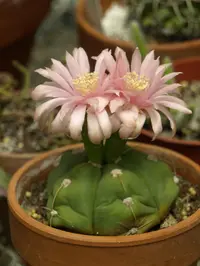
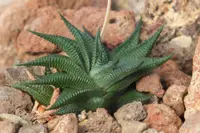
Chihuahua flower, Graptopetalum bellum, is a compact, rosette-forming succulent valued for its geometric shape and starry pink flowers. It stays low to the ground and slowly forms small clumps over time. Native to rocky areas of Chihuahua in northern Mexico, it is adapted to bright light, good air flow, and fast-draining, gritty soils.

This species suits growers who prefer a low-maintenance plant, as it stores water in its leaves and tolerates short dry periods. It is sensitive to excess moisture and poorly drained substrates, so stable conditions and restraint with watering are key when learning how to care for chihuahua flower.

Main Plant Requirements

Care Difficulty

Easy Care

Light Preference

Partial Sun

Water Requirements

Low Water

Temperature Preference

Warm Climate

Hardiness Zone

9–11

Soil Texture

Sandy, Loamy, Rocky

Soil pH

Slightly acidic (6.5–7.0), Neutral (7.0)

Soil Drainage

Well-drained

Fertilization

Minimal (feed rarely)

Get Personalized Care Plan

Scan your plant to receive care tips personalized for your specific plant

Available on iOS and Android

How to Care for the chihuahua flower

Graptopetalum bellum prefers bright, indirect light with limited harsh midday sun.

  • Provide 4–6 hours of morning sun or late-afternoon sun, plus bright shade or filtered light for the rest of the day.
  • Plant chihuahua flower where it gets partial shade during the strongest midday sun to prevent leaf scorch and bleaching.
  • In winter, move containers or position plants to capture as much bright light as possible, as low light stretches rosettes and weakens growth.

Water to mimic a dry, rocky habitat with thorough soaking followed by a clear dry period.

  • Allow the top 3–5 cm of soil to dry completely before watering, then soak until excess drains away from the root zone.
  • Reduce watering sharply in winter dormancy, watering only when leaves start to soften slightly but before they wrinkle deeply.
  • Watch for mushy, translucent leaves or blackened bases as signs of overwatering, and crisp, shriveled leaves as a sign that Graptopetalum bellum needs water sooner.

This species prefers warm, dry conditions and dislikes prolonged cold or humid heat.

  • Aim for 65–80°F (18–27°C) during active growth, as this range supports compact rosettes and steady root activity.
  • Protect plants from frost; brief dips to 30–32°F (-1–0°C) may be survived if dry, but tissue damage is likely below this.
  • In hot summers above 90°F (32°C), give light afternoon shade and good air movement to prevent heat stress and sunburned leaves.

This species prefers relatively dry air and copes well with typical indoor humidity.

  • Aim for 30–50% humidity, similar to most heated or air-conditioned homes.
  • Chihuahua flower rarely shows humidity stress; slight leaf shriveling usually points to watering issues, not air moisture.
  • If air is extremely dry and hot, increase local humidity mildly by grouping succulents together rather than misting.

This succulent needs a very fast-draining, mineral-based mix to prevent root rot.

  • Use a gritty mix of roughly 50–70% inorganic particles such as pumice, perlite, or coarse sand blended with cactus potting mix.
  • Ensure the structure stays loose and airy so water drains in seconds and the roots receive consistent oxygen.
  • A slightly acidic to neutral pH around 6.0–7.0 suits Graptopetalum bellum and supports nutrient availability.
  • Avoid peat-heavy, dense, or water-retentive mixes that stay wet for more than 1–2 days, as these quickly damage roots.

This compact rosette succulent is very suitable for container growing.

  • Choose a shallow but wide pot so the spreading rosettes can expand without trapping moisture in a deep soil column.
  • Select unglazed terracotta if extra evaporation is needed in humid or cool climates, as it dries the mix more quickly.
  • Elevate the pot slightly on feet or mesh so drainage holes remain clear and excess water leaves the container immediately.

Graptopetalum bellum is a slow-growing succulent that benefits from light, controlled feeding during its active season.

  • Use a diluted balanced liquid fertilizer (around 10-10-10) at 1/4–1/2 strength in spring and summer only.
  • Feed every 4–6 weeks during active growth; skip fertilizer if growth is strong and leaves look firm and well-colored.
  • Avoid fertilizing in fall and winter when growth slows, as excess nutrients can cause weak, stretched tissue.
  • For caring for chihuahua flower, never apply fertilizer to dry soil; water lightly first to reduce root burn risk.

Graptopetalum bellum needs only light pruning to maintain a compact, healthy rosette cluster.

  • Best time to prune is in spring or early summer when plants are actively growing.
  • Remove dead, dried, or mushy leaves by gently twisting or cutting at the base with clean scissors.
  • Trim leggy, stretched stems back to a firm rosette to encourage tighter growth and stronger color.
  • Cut spent flower stalks at the base after blooming to tidy the plant and direct energy back to the rosettes.

This compact succulent prefers tight pots and infrequent repotting, focusing on healthy roots rather than frequent size increases.

  • Repot every 2–3 years or when roots circle the pot, drainage slows, or growth stalls despite good light.
  • Aim to repot in late spring, using a shallow, wide container with gritty, fast-draining cactus or succulent mix.
  • Gently loosen the root ball, remove old or rotted roots, and handle rosettes carefully to avoid leaf breakage.
  • After repotting, keep the plant dry for 3–5 days, then resume light watering to limit root stress and rot risk.

This species is commonly propagated to expand clumps or replace old rosettes without buying new plants.

  • Best methods are leaf cuttings, stem cuttings, and offsets; start in late spring or early summer for faster rooting.
  • For leaf cuttings, twist off healthy leaves, let them callus 2–3 days, then place on barely moist, gritty mix.
  • For offsets, detach small rosettes with some roots attached and replant in a similar well-drained substrate.
  • Provide bright, indirect light, warm temperatures (70–80°F), and minimal watering until new roots and rosettes form.

This succulent is not frost hardy and needs thoughtful winter care in most temperate climates.

  • Move container plants indoors before temperatures drop near 35°F, placing them in the brightest window available.
  • Keep soil almost dry in winter, watering lightly only when leaves start to soften slightly.
  • Avoid cold drafts and windowsills that freeze, as rosettes are sensitive to prolonged chilling and wetness.
  • In mild climates, use a gritty, raised bed and a rain shield to keep outdoor plants cold but almost dry.

Care Tips

Rotate Rosettes

Turn the pot 90° every 2–3 weeks so the rosettes develop symmetrically and do not lean or stretch toward the strongest light source.

Use Top Dressing

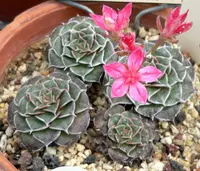
Apply a 0.5–1 cm layer of clean gravel or coarse sand on the soil surface to keep leaves off damp soil, reduce rot risk, and improve air movement around the crown.

Dry, Cool Rest

In late fall and winter, keep the plant in a brighter, cooler spot and reduce watering to encourage compact growth and stronger flowering the following season.

Protect Flower Stalks

Support long flower stalks with a small stake or plant ring if they start to flop, and avoid bumping the pot so the delicate stems do not snap.

Inspect After Rain

If the plant is grown outdoors, gently tilt rosettes after heavy rain to pour out trapped water from the leaf centers, which helps prevent fungal spots when growing chihuahua flower.

Common Pests and Diseases

Mealybugs

This pest feeds on sap and often hides in tight rosette centers, causing stunted growth and distorted new leaves. Symptoms include white cottony masses at leaf bases and sticky honeydew on nearby surfaces.

Solution

Isolate the plant, then dab visible insects with cotton swabs dipped in 70% isopropyl alcohol, taking care to reach into the rosette. For ongoing Graptopetalum bellum care, repeat inspections weekly and, if needed, apply a light horticultural soap spray, keeping the leaves dry afterward and improving airflow to discourage reinfestation.

Aphids

These insects cluster on tender new growth and flower stalks, sucking sap and causing curling, yellowing, or misshapen leaves. Honeydew secretion can lead to sooty mold on the foliage.

Solution

Move the plant to a sink and rinse the rosettes and flower stems with a strong but controlled stream of water to dislodge insects. After drying, treat remaining aphids with insecticidal soap labeled for succulents, and reduce excess nitrogen fertilization that encourages soft, aphid-prone growth.

Spider mites

This pest thrives in hot, dry indoor conditions and may cause fine yellow stippling on leaves and a dull, dusty appearance. Symptoms include very fine webbing between leaves or at the center of the rosette.

Solution

Rinse the plant thoroughly with lukewarm water, paying attention to the undersides of leaves and the center of the rosette, then allow it to dry in bright, indirect light. Increase humidity around the plant slightly, improve air movement, and use a targeted miticidal soap or horticultural oil if mites persist, repeating according to label directions.

Fungal leaf spots

This disease develops when moisture remains trapped in the rosette, leading to small, dark, sometimes sunken spots on the fleshy leaves. Symptoms include localized discoloration that may expand and cause tissue collapse in severe cases.

Solution

Remove and discard affected leaves and ensure the plant is potted in a fast-draining succulent mix. Water at the soil level, avoid wetting the rosette, provide strong light and good airflow, and in persistent cases use a low-toxicity fungicide suitable for succulents while reducing overhead watering.

Interesting Facts

Chihuahua cliff specialist

This species occurs naturally on steep, shaded limestone cliffs in the Sierra Madre Occidental of Chihuahua, Mexico, often rooted in crevices that collect thin pockets of gritty soil.

Unusually flat rosettes

Its rosettes stay very flat and close to the substrate, with almost perfectly arranged triangular leaves, a growth form thought to reduce water loss and protect the central growth point in its harsh native habitat.

Night-opening flowers

The star-shaped pink flowers often open in the evening and can stay open through the night, an adaptation that likely aligns with crepuscular or nocturnal pollinators such as moths in its native range.

Botan icon

Did you know?

This species was described relatively recently in 1978 from material collected in Chihuahua, Mexico, and its very restricted natural distribution has made it a sought-after subject for conservation-focused succulent collections and careful Graptopetalum bellum care research.

FAQs about chihuahua flower

Lack of flowers usually comes from insufficient light, oversized or very nutrient-rich pots, or stress from recent repotting. Provide strong light, a lean, gritty mix, and a short cool, dry rest period to encourage buds.

Grow Healthy Plants with Botan Care

Keep your plants happy and healthy with plant identification, disease detection, and easy care guidance.

Botan plant care app — identify plants on mobile

Explore More Plants