

Top-dressing refresh
Every 1–2 years, gently scrape away the top 1–2 cm of old, compacted mix and replace it with fresh, gritty succulent substrate to improve aeration and reduce salt buildup around the fine roots.

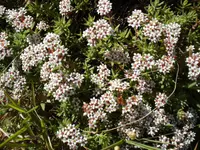
Crassula scabra is a compact, branching succulent from arid regions of southern Africa. It forms small, upright stems covered with tightly stacked, rough-textured leaves. The foliage is usually gray-green with fine markings that give the plant a sandpapery look, and it may produce clusters of small, star-shaped flowers under good conditions. This species stays relatively small, which makes it suitable for windowsills, small containers, and mixed succulent plantings. It is generally straightforward to grow if given strong light, very well-drained soil, and careful watering that allows the roots to dry between waterings. Understanding how to care for Crassula scabra focuses mainly on preventing excess moisture and providing enough light.

Care Difficulty
Easy Care

Light Preference
Full Sun

Water Requirements
Low Water

Temperature Preference
Tropical / Frost Sensitive

Hardiness Zone
10–11

Soil Texture
Sandy, Loamy, Rocky

Soil pH
Slightly acidic (6.5–7.0), Neutral (7.0)

Soil Drainage
Well-drained

Fertilization
Minimal (feed rarely)
Scan your plant to receive care tips personalized for your specific plant
Available on iOS and Android
This compact succulent prefers bright, dry conditions with several hours of direct light each day.
This species stores water in its leaves and stems, so it prefers infrequent but thorough watering.
This succulent favors warm, dry air and does not handle frost well.
This species handles typical indoor humidity well and rarely needs special adjustment.
Crassula scabra prefers a sharply draining, mineral-rich substrate that dries quickly between waterings.
This compact succulent is very suitable for container growing.
This compact succulent grows well with light feeding focused on the active spring–summer period.
Pruning for Crassula scabra is mainly cosmetic and helps maintain a compact, tidy form.
Container-grown plants benefit from occasional repotting to refresh the gritty, fast-draining mix.
This species is commonly multiplied from stem cuttings, which root reliably under the right conditions.
This succulent is not fully frost hardy and benefits from thoughtful winter management in most climates.

Plant Health Check
Not sure what's wrong with your plant? Check your plant's health inside the app.
This species forms stiff, vertical stems densely lined with opposite leaf pairs that press tightly together, giving each shoot a distinctive stacked or braided look compared with many other crassulas.
The leaf surfaces are covered with tiny papillae and minute hairs, which create a rough, scabrid texture that inspired the species name scabra, meaning rough or scaly in Latin.
The normally gray-green foliage can develop strong red to brown edging and flushing when exposed to intense light and mild drought, a response linked to protective pigments called anthocyanins that help shield tissues from excess radiation.
Growth is slow to moderate. Small plants often take several years to form a noticeable clump, and annual height or spread increase is usually just a few centimeters, depending on light, temperature, and how consistently it is watered.
Keep your plants happy and healthy with plant identification, disease detection, and easy care guidance.

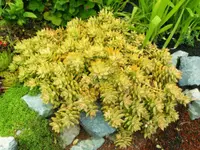 POPULAR
Coppertone Stonecrop
Sedum adolphi
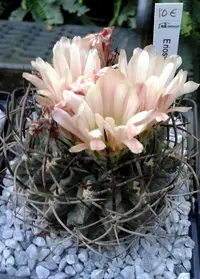
few-ribbed neoporteria
Eriosyce paucicostata
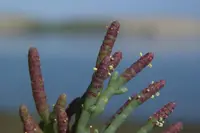
Pacific Glasswort
Salicornia pacifica
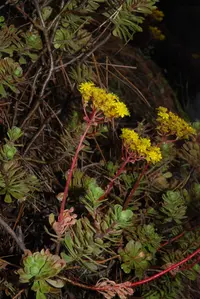
Aeonium spathulatum
Aeonium spathulatum
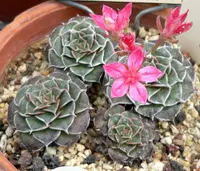
chihuahua flower
Graptopetalum bellum
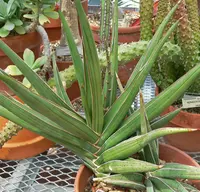
blue sansevieria
Dracaena hanningtonii
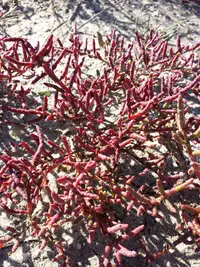
perennial-jointed glasswort
Salicornia perennans
 POPULAR
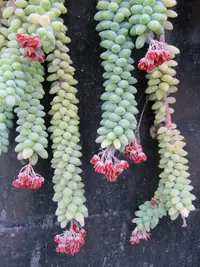
Burro's tail
Sedum burrito