golden trumpet tree Care (Handroanthus albus)

golden trumpet tree

About golden trumpet tree

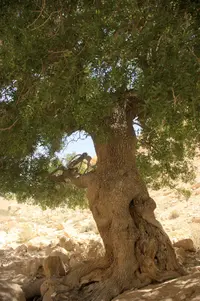
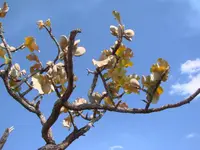
The golden trumpet tree, Handroanthus albus, is a deciduous flowering tree known for its striking flush of bright yellow, trumpet-shaped blooms on bare branches. It typically grows with a rounded crown and gray, textured bark, giving strong seasonal contrast between flowering, leafing, and resting phases.

This species is native to South America, especially Brazil, and is used as an ornamental tree in warm, frost-free or light-frost climates. It prefers full sun, well-drained soil, and moderate moisture, which makes how to care for golden trumpet tree moderately easy in suitable climates but challenging in cold or poorly drained sites.

Main Plant Requirements

Care Difficulty

Moderate Care

Light Preference

Full Sun

Water Requirements

Moderate Water

Temperature Preference

Warm Climate

Hardiness Zone

9–11

Soil Texture

Sandy, Loamy, Organic-rich

Soil pH

Slightly acidic (6.5–7.0), Neutral (7.0)

Soil Drainage

Well-drained

Fertilization

Minimal (feed rarely)

Get Personalized Care Plan

Scan your plant to receive care tips personalized for your specific plant

Available on iOS and Android

How to Care for the golden trumpet tree

This species thrives in bright outdoor conditions with strong, direct light.

  • Provide 6–8 hours of full sun daily; morning and midday sun promote dense growth and abundant flowering in golden trumpet tree.
  • Young trees tolerate light afternoon shade, especially in hotter regions, but dense or all-day shade causes sparse foliage and few blooms.
  • In winter, maximize unobstructed sun exposure; in very hot summers, temporary light shade cloth can prevent leaf scorch on newly planted trees.

Handroanthus albus prefers deep but infrequent watering once established.

  • Water when the top 5–8 cm of soil are dry, applying a slow, deep soak that moistens the full root zone rather than frequent shallow splashes.
  • Use well-drained soil; prolonged puddling, sour smell, or yellowing, soft leaves indicate overwatering or poor drainage and risk of root rot.
  • In the first 1–2 growing seasons, monitor closely during hot, dry weather; wilting at midday and dry, hard soil signal the need for a thorough watering.

This tree favors warm, frost‑free climates for reliable flowering and growth.

  • Optimal growth occurs around 70–90°F (21–32°C), with strong vegetative growth and good flower bud formation in these conditions.
  • The tree tolerates short dips to about 28–30°F (-2 to -1°C) but young plants can be damaged; repeated frosts kill new shoots and reduce flowering.
  • Mature trees handle heat up to 100–105°F (38–41°C) if soil moisture is adequate; during heatwaves, avoid pruning or transplanting to reduce stress.

This species is fairly tolerant of a range of humidity but grows best in moderately humid air.

  • Aim for 40–60% humidity, similar to many subtropical outdoor conditions, when cultivating golden trumpet tree in protected sites.
  • Leaves may show crisp edges, rolling, or tip browning under very dry air, especially during hot, windy spells.
  • Increase humidity locally with grouped plantings, windbreaks, and a mulched root zone that reduces transpiration stress.

Handroanthus albus prefers well-structured, freely draining soil that still holds some moisture.

  • Use a slightly sandy loam with 20–30% coarse sand plus organic matter such as composted bark or leaf mold for structure and nutrient retention.
  • Ensure rapid drainage; on heavy sites, build a raised bed or mound so water runs off and roots stay aerated after rain.
  • Aim for slightly acidic to neutral pH around 6.0–7.0; avoid saline or strongly alkaline soils that restrict nutrient uptake.
  • Avoid compacted clay, waterlogged spots, or mixes with excessive peat that stay saturated and limit oxygen around the root zone.

This tree can be grown in containers for some years, but long-term size and root strength limit permanent pot culture.

  • Choose a deep, heavy container that resists tipping as the canopy becomes tall and wind-exposed.
  • Use a sharply draining mix, such as 50–60% mineral material (coarse sand, fine gravel, perlite) blended with a bark-based component to prevent soggy conditions.
  • Elevate the container slightly on feet or blocks so drainage holes stay clear and excess water exits freely after irrigation or rain.

Handroanthus albus benefits from modest, well-timed feeding to support flowering and steady growth.

  • Use a balanced slow-release fertilizer (around 10-10-10) or well-aged compost mixed into the root zone in early spring.
  • Feed container or young golden trumpet tree plants every 6–8 weeks during the warm growing season at half the label strength.
  • Avoid high-nitrogen lawn fertilizers near the root area, which can reduce flowering and cause overly soft growth.
  • Stop feeding in late summer to early fall so new growth hardens before cooler weather.

Handroanthus albus responds well to light, structured pruning that maintains a strong framework and good flowering.

  • Time main pruning for late winter to very early spring, before new growth starts.
  • Remove dead, diseased, crossing, or storm-damaged branches with clean, sharp bypass pruners or a pruning saw.
  • Thin crowded interior branches to improve light penetration and airflow, shaping a single strong trunk and balanced canopy.
  • Avoid heavy canopy reduction; instead, shorten only overly long shoots to preserve natural form and flowering wood.

This species is usually grown as a landscape tree, so care focuses more on correct transplanting than frequent repotting.

  • Transplant young trees in late winter to early spring when dormant and air temperatures are mild.
  • Choose a sunny site with well-drained soil, setting the root flare at soil level and avoiding deeper planting.
  • Look for circling or pot-bound roots in nursery containers; gently tease them out or make shallow vertical cuts to encourage outward growth.
  • Water deeply after planting, then keep soil evenly moist (not saturated) for the first growing season to reduce transplant shock.

Propagation of Handroanthus albus is possible but slower, most often done from seed under warm, bright conditions.

  • Collect ripe, dry seed pods at the end of the flowering season and extract the winged seeds.
  • Sow seeds in a free-draining mix, keep lightly moist, and maintain warmth around 70–80°F for best germination.
  • Provide high light and good air circulation for seedlings, avoiding waterlogging to reduce damping-off disease.
  • Semi-hardwood cuttings may root under high humidity and bottom heat, but success rates are often variable.

Handroanthus albus is frost-sensitive and needs thoughtful winter care in regions with cool or freezing conditions.

  • In USDA zones cooler than about 9, grow in large containers that can be moved indoors before frost.
  • Use 5–8 cm of organic mulch around the root zone, keeping it a few cm away from the trunk to insulate soil.
  • Wrap young trunks with breathable frost cloth or burlap during cold snaps to reduce bark damage and dieback.

Care Tips

Formative crown training

In the first 3–5 years, select a single strong leader and 3–5 evenly spaced scaffold branches, removing competing stems gradually so the tree develops a balanced, storm-resistant crown for long-term flowering display.


Deep mulching zone

Maintain a 5–8 cm mulch ring that extends at least to the drip line, keeping mulch 5–8 cm away from the trunk, to stabilize soil moisture, protect surface feeder roots, and reduce mechanical damage from lawn equipment.

Storm and wind preparation

In windy sites, install low, flexible staking for young trees and remove it after 1–2 years, then periodically thin crowded inner twigs rather than topping the canopy to reduce wind sail and limb breakage.

Flower litter management

During heavy bloom and leaf drop, rake or blow fallen material promptly from lawns and paving to reduce slipping hazards, prevent mower smearing, and allow easier inspection for pests or canker on lower limbs.

Urban site selection

When growing golden trumpet tree in narrow strips or near pavements, position it at least 2–3 m from hardscapes and utilities to give the root system room to expand and reduce future issues with lifting or infrastructure damage.

Common Pests and Diseases

Caterpillar defoliation

This pest feeds on young and mature leaves, often leaving irregular holes or completely stripped branches during warm seasons.

Solution

Monitor foliage during flushes of new growth and remove caterpillars by hand where practical, pruning heavily infested twigs and destroying them; in larger trees, use a registered Bacillus thuringiensis (Bt) product or another selective biological insecticide, applied in the evening and directed to the leaf surfaces where larvae feed.

Wood-boring beetles

These insects tunnel into trunks and larger branches, causing small round exit holes, sawdust-like frass, and progressive dieback of affected limbs.

Solution

Prune and dispose of infested branches, avoid trunk injuries that attract borers, and keep the tree well watered and fertilized so it can seal wounds; for heavy attacks, consult a certified arborist about systemic insecticides targeted to borers and applied according to local regulations.

Leaf spot

This disease produces small brown to dark spots on leaves that may merge into larger blotches, leading to premature leaf drop in humid or rainy weather.

Solution

Remove and discard fallen leaves to reduce fungal spores, water at the base rather than over the canopy, and improve air movement around the tree; in recurrent severe cases, a copper- or chlorothalonil-based fungicide can be applied at the start of the rainy period following label directions.

Powdery mildew

This disease shows as a white to gray powdery growth on leaf surfaces, sometimes causing distortion and yellowing of young leaves.

Solution

Increase sun exposure where possible, avoid excessive nitrogen fertilization that promotes very soft growth, and prune dense inner branches to improve airflow; if needed, treat early infections with a horticultural oil or sulfur-based product when temperatures are moderate, fully covering both sides of the leaves.

Scale insects

These insects appear as small, rounded or oval bumps on twigs and leaves, sucking sap and causing yellowing foliage, sticky honeydew, and sometimes sooty mold growth.

Solution

Cut out heavily infested small branches, gently scrub accessible twigs with a soft brush and mild soapy water, and encourage natural predators like lady beetles; for persistent infestations, use a horticultural oil spray during the dormant or cooler season, ensuring thorough coverage of stems where scales are attached.

Interesting Facts

Yellow winter blossoms

This species flowers while leafless at the end of the dry season, covering its bare branches with dense clusters of bright yellow, trumpet-shaped blossoms that are highly visible in its native Brazilian Cerrado landscape.

Cerrado fire adaptation

Originating from the fire-prone Cerrado savanna, it develops a relatively thick, corky bark and deep root system that help it cope with periodic drought and surface fires common in that ecosystem.

Local wildlife support

The abundant nectar and pollen of its flowers provide an important early-season food source for bees and other pollinating insects in its native range, supporting pollinator activity before many other trees leaf out and bloom.

Botan icon

Did you know?

In several regions of Brazil, extensive urban and roadside plantings of this species have turned it into a seasonal landmark, so that its mass blooming period is used as a visual cue for the approaching end of the dry season and the transition toward the rainy period.

FAQs about golden trumpet tree

Lack of flowering usually comes from insufficient light, nutrient‑rich or constantly wet soil, or a tree that is still too young. This species blooms best after a short dry rest period and in full, unfiltered sun.

Grow Healthy Plants with Botan Care

Keep your plants happy and healthy with plant identification, disease detection, and easy care guidance.

Botan plant care app — identify plants on mobile

Explore More Plants