cream garland-lily Care (Hedychium flavescens)

Also known as: Yellow ginger, Himalayan Ginger, Yellow Ginger Lily
cream garland-lily

About cream garland-lily

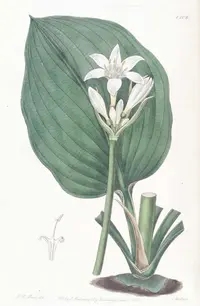
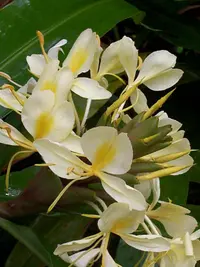
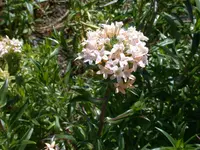
Cream garland-lily (Hedychium flavescens) is a rhizomatous perennial from the ginger family, grown mainly for its fragrant, pale yellow to cream flowers. It forms tall, upright clumps of cane-like stems with lush, lance-shaped leaves, giving a tropical look even in mild temperate gardens.

This species is native to the Himalayas and parts of tropical Asia, but it is now naturalized in many warm, humid regions. It can spread vigorously in suitable climates, which makes it robust but sometimes invasive outdoors.

In gardens, it prefers bright light, regular moisture, and fertile, well-drained soil. Understanding these preferences is the basis of how to care for cream garland-lily in both outdoor and protected settings.

Main Plant Requirements

Care Difficulty

Moderate Care

Light Preference

Partial Sun

Water Requirements

Keep Soil Moist

Temperature Preference

Warm Climate

Hardiness Zone

8–11

Soil Texture

Loamy, Silty, Organic-rich

Soil pH

Acidic (5.5–6.5), Slightly acidic (6.5–7.0)

Soil Drainage

Moist but well-drained

Fertilization

Moderate (every 2–4 weeks)

Get Personalized Care Plan

Scan your plant to receive care tips personalized for your specific plant

Available on iOS and Android

How to Care for the cream garland-lily

This ginger prefers bright, gentle light that supports strong growth and flowering.

  • Provide 4–6 hours of direct morning sun with light shade or filtered light in the hot afternoon, especially in warm climates.
  • Tolerates partial shade, but cream garland-lily may produce fewer and looser flower spikes if grown in less than 3–4 hours of sun.
  • In summer, protect from harsh midday sun that can scorch leaves; in cooler seasons, slightly more direct light helps compensate for shorter days.

This rhizomatous ginger likes consistently moist but not waterlogged soil.

  • Water when the top 3–5 cm of soil feel dry, aiming to keep deeper soil lightly moist during the main growing season.
  • Ensure rich, well-drained soil; standing water around the rhizomes can cause rot, yellowing leaves, and a sour smell, especially in heavy clay.
  • In cooler months or when growth slows, reduce watering so the soil is only slightly damp, watching for limp, folding leaves as an early sign of underwatering.

This subtropical perennial grows best in warm, frost-free conditions.

  • Aim for 65–80°F (18–27°C) during active growth, which supports rapid shoot development and flowering in Hedychium flavescens.
  • Protect from temperatures below 40°F (4°C); light frost can burn foliage, and repeated freezes can kill rhizomes without deep mulch or lifting and storing.
  • Tolerates short heat spells up to about 90°F (32°C) if soil moisture is steady and roots are mulched to keep them cooler.

This species prefers consistently moist air and reacts to very dry conditions.

  • Aim for 50–70% humidity, similar to a warm, sheltered garden or humid patio area.
  • Tolerates brief dips to 35–40%, but prolonged dry air causes brown leaf tips, rolled leaf margins, and stalled growth.
  • Increase humidity outdoors by grouping plants, mulching the soil surface, and using windbreaks that reduce drying winds around cream garland-lily.

This rhizomatous ginger grows best in deep, moisture-retentive but well-drained soil.

  • Use a loamy, organic-rich mix such as garden loam blended with compost and leaf mold to support strong rhizome development.
  • Ensure free drainage; standing water around rhizomes encourages rot, so avoid compacted clay and low-lying, waterlogged spots.
  • A slightly acidic to neutral pH (6.0–7.0) suits Hedychium flavescens and helps nutrient availability for foliage and flowering.
  • Improve aeration and drainage by incorporating coarse sand or fine bark, especially in heavy soils, to create stable but breathable structure.

This species is well suited to large containers on patios or balconies.

  • Choose a deep, wide pot to allow rhizomes to spread horizontally while still holding enough substrate to buffer moisture swings.
  • Use a sturdy, heavier container material to stabilize tall, leafy stems that can catch wind and tip lighter pots.
  • Elevate the container slightly on feet or blocks so drainage holes stay clear and excess water escapes quickly after heavy watering or rain.

Hedychium flavescens responds well to moderate feeding during the warm growing season.

  • Use a balanced NPK fertilizer or slow-release granular product formulated for flowering perennials.
  • Apply every 4–6 weeks in spring and summer, keeping soil evenly moist before and after feeding.
  • Dilute liquid feed to 1/2–3/4 strength to avoid root burn in containers and rich garden soils.
  • Stop or reduce feeding to a light compost top-dress only in fall and winter when growth slows.

Pruning Hedychium flavescens focuses on removing spent growth to maintain vigor and tidy clumps.

  • Cut off spent flower spikes at their base after blooming to encourage energy back to rhizomes.
  • Remove dead, damaged, or diseased stems at ground level using clean, sharp pruners.
  • In late winter or early spring, thin crowded, weak stems to improve air flow and light penetration.
  • Where foliage is frost-damaged, shear back browned stems to just above healthy tissue once danger of hard frost has passed.

Cream garland-lily grows from rhizomes that benefit from periodic lifting, dividing, and transplanting.

  • Plan major transplanting or container repotting in early spring before strong new shoots appear.
  • Look for tight clumps, roots circling the pot, or reduced flowering as signs the plant needs more space.
  • Divide rhizomes into firm, healthy pieces with at least 1–2 buds, using a clean, sharp knife or spade.
  • Replant divisions at the same depth in well-drained soil, water thoroughly, then shade lightly for a few days to reduce transplant stress.

Hedychium flavescens is most reliably propagated by rhizome division rather than seed.

  • Divide mature clumps in early spring when new buds are just visible but before tall shoots form.
  • Lift the clump, wash off soil, and cut rhizomes into sections with 1–3 healthy eyes and firm tissue.
  • Dust cut surfaces with a fungicidal powder or cinnamon to reduce rot risk, then allow to dry briefly.
  • Plant rhizomes horizontally in moist, well-drained, warm soil (65–75°F), keeping them just below the surface.

Winter care for Hedychium flavescens depends on local minimum temperatures and soil drainage.

  • In USDA zones 8–10, rhizomes usually overwinter in the ground if soil is well drained.
  • After first frost, allow foliage to die back, then cut stems to a few cm above soil level.
  • In cooler climates, apply a 5–10 cm mulch layer over the root zone to insulate rhizomes.
  • For container plants in cold areas, move pots indoors or into a frost-free garage and water sparingly.

Care Tips

Mark Frost Line

In colder regions, mark where frost consistently reaches in the soil and plant rhizomes just below that depth, then mulch 10–15 cm above to protect buds while still allowing easy spring emergence.

Divide On Schedule

Plan to lift and divide rhizomes every 3–4 years in late winter or early spring, discarding woody, exhausted centers and replanting only the plump, healthy outer sections to maintain flowering vigor.

Stake Discreetly Early

Install slender canes or a low peony-style support ring when shoots are 20–30 cm tall so tall stems grow through the support naturally and are less likely to snap in summer storms.

Direct Water Channels

On sloped sites, form a shallow basin or contour ridge on the uphill side of each clump so irrigation and rainwater briefly collect and soak in around the rhizomes instead of running off.

Monitor Wind Exposure

In windy gardens, use a permeable windbreak such as a slatted fence, hedge, or shade cloth panel on the prevailing-wind side to reduce leaf shredding and help when caring for cream garland-lily in exposed sites.

Common Pests and Diseases

Aphis gossypii

This pest is a small soft-bodied aphid that often clusters on tender shoots and undersides of leaves, sucking sap and causing distortion and sticky honeydew deposits.

Solution

Rinse colonies off young shoots and leaves with a firm stream of water, then treat remaining aphids with insecticidal soap or a light horticultural oil, repeating every 5–7 days until populations collapse; remove heavily infested shoot tips to reduce reinfestation and support balanced Hedychium flavescens care.

Red spider mite

These insects are tiny sap-feeding mites that thrive in hot, dry conditions, causing stippled leaves, bronzing, and fine webbing between leaf surfaces.

Solution

Increase humidity around the plant, hose down foliage thoroughly (including the undersides) to knock mites off, and use insecticidal soap or a miticide labeled for spider mites in repeated applications, ensuring good coverage of both leaf surfaces.

Ginger leaf spot

This disease produces small brown or tan lesions on leaves that may enlarge, merge, and cause premature leaf yellowing and drop, especially in warm, humid conditions.

Solution

Remove and dispose of affected leaves, avoid overhead watering, and improve spacing and airflow; in persistent cases, apply a copper-based or other labeled fungicide at the first sign of spotting, following the product schedule during humid periods.

Bacterial soft rot

Symptoms include a foul smell and soft, water-soaked, collapsing rhizomes and lower stems, often following mechanical injury and excess moisture in soil or storage.

Solution

Excavate and discard all rotting rhizomes, improve drainage, reduce watering frequency, and avoid wounding rhizomes; for future plantings, use only clean, firm rhizomes, plant in well-drained soil or raised beds, and avoid waterlogged conditions.

Fusarium rhizome rot

This disease causes reddish to brown discoloration and dry rot within rhizomes, leading to weak shoots, stunted growth, and eventual plant collapse.

Solution

Lift and inspect rhizomes, discarding any with internal discoloration; replant only healthy, firm pieces into fresh, well-drained medium, rotate planting sites if grown in-ground, and avoid reusing contaminated soil or tools without thorough cleaning and disinfection.

Interesting Facts

Fragrant night pollination

The pale cream flowers release their strongest scent in the evening and night, an adaptation that helps attract nocturnal moth pollinators in its native Himalayan range.

Hybrid origin status

Botanists consider this species to have a complex or possibly hybrid origin within the ginger lily group, which helps explain the variability seen in its flower form and vigor across different populations.

Invasive in mild climates

Outside its native range, this ginger lily can form dense stands along streams and moist slopes in mild, frost-free regions such as parts of New Zealand and Hawaii, where it is listed as an environmental weed.

Botan icon

Did you know?

In suitable warm, wet habitats this species can reproduce both by seed and by rapidly expanding underground rhizomes, allowing it to form near-monocultures that displace local riverbank vegetation and alter light and moisture conditions for native plants.

FAQs about cream garland-lily

Lack of blooms usually comes from insufficient warmth, nutrients, or plant maturity. Rhizomes often need 2–3 seasons to flower well. Regular feeding, division of crowded clumps, and full growing season outdoors usually improve performance.

Grow Healthy Plants with Botan Care

Keep your plants happy and healthy with plant identification, disease detection, and easy care guidance.

Botan plant care app — identify plants on mobile

Explore More Plants