Hollow Joe-Pye Weed Care (Eutrochium fistulosum)

Also known as: queen-of-the-meadow
Hollow Joe-Pye Weed

About Hollow Joe-Pye Weed

Hollow Joe-Pye weed (Eutrochium fistulosum) is a tall, clump-forming perennial native to moist meadows, stream banks, and wetlands in eastern North America. It is commonly grown in naturalistic gardens and pollinator plantings.

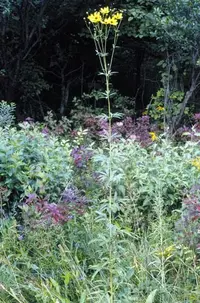
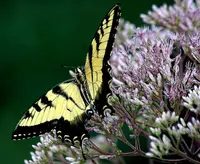
Plants develop sturdy, hollow stems topped with domed clusters of soft pink to mauve flowers that attract butterflies and bees. The foliage is arranged in whorls, giving the plant a strong vertical presence.

This species is generally easy to grow in consistently moist, rich soil and full sun to light shade. Gardeners who want to care for Hollow Joe-Pye Weed should provide enough space for its mature height and spread.

Main Plant Requirements

Care Difficulty

Easy Care

Light Preference

Full Sun

Water Requirements

Keep Soil Moist

Temperature Preference

Cold Hardy

Hardiness Zone

3–8

Soil Texture

Loamy, Clay, Organic-rich

Soil pH

Acidic (5.5–6.5), Slightly acidic (6.5–7.0)

Soil Drainage

Moist but well-drained

Fertilization

Minimal (feed rarely)

Get Personalized Care Plan

Scan your plant to receive care tips personalized for your specific plant

Available on iOS and Android

How to Care for the Hollow Joe-Pye Weed

This tall native perennial thrives in consistent light that supports strong stems and abundant blooms.

  • Provide 6–8 hours of sun daily, ideally with morning sun and light afternoon shade, especially in hotter southern regions.
  • Tolerates partial shade with 3–4 hours of direct light, but flowering in Hollow Joe-Pye Weed decreases and stems may lean toward brighter areas.
  • Avoid intense, unfiltered afternoon sun in dry sites, which can scorch leaves; in dense shade, expect weak growth and fewer flower clusters.

This species prefers steadily moist conditions that mimic its native wet meadow and streamside habitats.

  • Keep soil consistently damp, allowing only the top 2–3 cm to dry between waterings in average garden soil.
  • Increase watering during hot, dry periods if foliage wilts by midday and the top 5 cm of soil feel dry, especially in sandy or fast-draining sites.
  • Ensure soil drains freely; persistent soggy conditions cause root rot, yellowing lower leaves, and a sour smell, while chronic dryness leads to crisp leaf edges and reduced flowering in Eutrochium fistulosum.

This hardy perennial tolerates a wide temperature range, with active growth during mild to warm seasons.

  • Optimal growth occurs around 65–80°F (18–27°C), when shoots elongate steadily and flower buds set well.
  • Established plants reliably survive winter cold down to about -20°F (-29°C) in the ground, with top growth dying back and roots overwintering.
  • Tolerates short hot spells up to about 90°F (32°C) if soil stays moist; extended heat with dry soil stresses plants, while late spring frosts may nip new shoots but rarely kill the crown.

This species grows best in moderately humid air but generally tolerates typical outdoor humidity ranges.

  • Aim for 40–60% humidity; natural outdoor conditions in most regions are adequate.
  • Dry, hot winds can crisp leaf edges and reduce Hollow Joe-Pye Weed flower size, indicating humidity stress.
  • Plant in sheltered spots, use nearby water features, or group plants densely to slightly boost local humidity around the foliage.

This species prefers consistently moist, deep, loamy soil that stays aerated yet never waterlogged.

  • Use a loam-based soil rich in organic matter, blending garden loam with 30–40% compost and leaf mold for strong growth.
  • Ensure slow, even drainage; soil should hold moisture but excess water should seep away within a few hours after heavy rain.
  • Target slightly acidic to neutral pH around 6.0–7.0, which supports nutrient availability for Eutrochium fistulosum roots.
  • Improve structure and aeration by incorporating shredded bark or coarse compost, and avoid compacted clay or pure sand that impairs root development.

This tall species can be grown in containers, but only large, stable setups perform reliably.

  • Choose a very deep, heavy container at least 40–50 cm wide to anchor the tall, hollow stems and prevent tipping in wind.
  • Use a moisture-retentive but draining mix, such as peat-free compost blended with fine bark and a small amount of perlite, to balance water and air around roots.
  • Position the container where it can be mulched and slightly shaded at the root zone, reducing rapid drying and temperature swings that stress tall growth.

This tall native perennial grows well in average soil and needs only light, supplemental feeding in most gardens.

  • Apply a thin layer of compost or well-rotted manure around clumps in early spring to support strong, tall stems.
  • In poorer soils, use a balanced slow-release fertilizer (such as 10-10-10) once in spring at label rates.
  • Avoid midsummer high-nitrogen products, which can cause floppy growth in Hollow Joe-Pye Weed.
  • Do not feed during winter dormancy, and reduce or skip fertilizer once plants are well established.

Thoughtful pruning helps manage the height and vigor of Eutrochium fistulosum while keeping stands tidy.

  • In late winter or very early spring, cut all old stems down to 5–10 cm with clean hand pruners.
  • During late spring, shorten some stems by one-third to reduce final height and encourage bushier growth.
  • Remove dead, weak, or crossing stems at the base to improve airflow and reduce disease risk.
  • Deadhead spent flower heads if self-seeding is unwanted, or leave some for wildlife value.

This species is usually grown in the ground and is moved only when overcrowded or poorly sited.

  • Transplant or divide every 3–5 years in early spring or early fall, when weather is cool and soil moist.
  • Choose a new location with full sun to light shade and consistently moist, well-drained soil.
  • Dig widely to lift a generous root ball, keeping as many roots intact as possible to limit shock.
  • Replant at the original depth, water deeply, and keep soil evenly moist for several weeks to help recovery.

Gardeners most often increase this plant by division or seed under suitable outdoor conditions.

  • Divide mature clumps in early spring or early fall, cutting the root mass into sections with several healthy shoots each.
  • Replant divisions promptly in moist, well-drained soil, then water thoroughly to settle roots and reduce stress.
  • Sow fresh seed outdoors in fall or late winter; natural cold exposure supports germination in spring.
  • For controlled seed-starting, chill moist seed in a refrigerator for 4–6 weeks before sowing in a cool, bright place.

This hardy perennial tolerates typical winters in much of its range and usually needs minimal intervention.

  • Eutrochium fistulosum survives freezing temperatures by dying back to its root system each winter.
  • In colder regions, apply a 5–8 cm layer of organic mulch after the ground cools to moderate soil temperature.
  • Container-grown plants benefit from moving pots to a sheltered, unheated area to prevent repeated freeze–thaw of the root ball.

Care Tips

Sturdy staking system

Install 2–3 discreet stakes or a low peony-style ring around young clumps in late spring so tall stems have support before summer storms flatten them.

Progressive thinning

In late spring, selectively pinch or cut back 20–30% of the tallest shoots by 5–10 cm to reduce flopping, encourage sturdier stems, and slightly stagger flowering time.

Moisture-based mulching

Apply a 5–8 cm layer of shredded bark or leaf mold over the root zone each spring, keeping mulch 5 cm away from stems to conserve soil moisture and suppress competing weeds without inviting rot.

Wildlife-friendly deadheading

If seed spread is a concern, remove most spent flower heads after bloom while intentionally leaving some for birds and beneficial insects that use the seeds and standing stems as habitat.

Clump renewal division

Every 4–6 years, divide congested clumps in early spring by lifting and slicing the crown into several vigorous sections, then replant at the same depth to maintain vigor and manage the size of a stand when growing Hollow Joe-Pye Weed.

Common Pests and Diseases

Powdery mildew

This disease often appears in late summer on dense stands, especially during warm days and cool, humid nights. Symptoms include white, powdery patches on leaves and sometimes stems, which can reduce vigor and fall display.

Solution

Improve air circulation by thinning crowded stems and avoid overhead watering in the evening. Remove and dispose of heavily infected foliage, and if needed apply a sulfur or potassium bicarbonate fungicide labeled for ornamental perennials at the first sign of infection to support Eutrochium fistulosum care instructions in humid climates.

Rust

This disease shows as small orange to brown pustules on the undersides of leaves, sometimes causing yellowing and premature leaf drop. It tends to develop in prolonged wet or humid conditions, especially where foliage stays damp.

Solution

Promptly remove and discard affected leaves and any heavily infected stems to reduce spore spread. Water at the base early in the day, increase spacing for better airflow, and use a labeled ornamental fungicide if rust persists year to year.

Leaf spot

This disease causes tan to dark brown spots on leaves, often with a purple or darker margin, and may lead to early defoliation on stressed plants. Symptoms include more rapid spread in seasons with frequent rain or overhead irrigation.

Solution

Collect and dispose of fallen or spotted leaves and avoid wetting the foliage when watering. If recurring, improve site drainage and spacing, and apply a copper-based or chlorothalonil fungicide according to label directions at the first sign of spotting.

Aphids

These insects cluster on young stems and flower buds, sucking sap and causing distortion, sticky honeydew, and sometimes sooty mold growth. Colonies often build up quickly on lush, nitrogen-rich growth in early to mid-summer.

Solution

Dislodge aphids with a strong stream of water from a hose and pinch off heavily infested shoot tips. Encourage or introduce natural predators like lady beetles, and use insecticidal soap or horticultural oil, ensuring thorough coverage of stem and bud surfaces.

Leafhoppers

These insects feed on leaves and can cause pale stippling, leaf curling, or marginal browning, and may contribute to cosmetic decline of large clumps. Activity is usually higher in sunny, windy sites near turf or meadow edges where they breed.

Solution

Reduce adjacent tall weeds or unmown grass that harbor leafhoppers and monitor foliage regularly in summer. If damage is significant, use yellow sticky traps for monitoring and apply a labeled pyrethrin or neem-based product in the evening, directing spray to the undersides of leaves.

Interesting Facts

Hollow, pithless stems

The stems are thick, tall, and distinctly hollow with very little internal pith, a feature reflected in the species name fistulosum, which means pipe-like or hollow.

Moist meadow specialist

This species naturally occurs in wet meadows, ditches, and along stream banks in eastern North America, where its deep root system helps stabilize soil in periodically flooded sites.

Late-season pollinator magnet

It flowers from late summer into early fall, producing large pinkish-purple flower clusters that provide nectar and pollen for butterflies, bees, and other insects when many other native plants have already finished blooming.

Botan icon

Did you know?

Hollow Joe-Pye weed can form clonal colonies from its rhizomatous root system, allowing individual genetic clones to persist and slowly expand in the same damp habitat patch for many years.

FAQs about Hollow Joe-Pye Weed

This species is highly attractive to pollinators, especially swallowtail and monarch butterflies, native bees, and many other beneficial insects. Large, nectar-rich flower clusters act as a key late-season food source in wildlife-friendly gardens and restoration plantings.

Grow Healthy Plants with Botan Care

Keep your plants happy and healthy with plant identification, disease detection, and easy care guidance.


Botan plant care app — identify plants on mobile

Explore More Plants