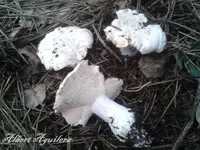
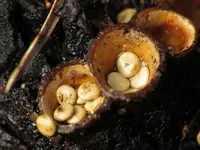
Brown-haired White Cup Care (Humaria hemisphaerica)

Also known as: glazed cup
Brown-haired White Cup

About Brown-haired White Cup

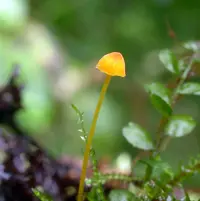
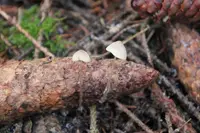
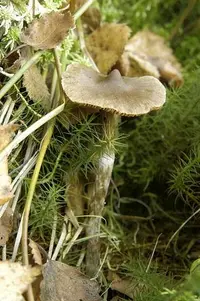
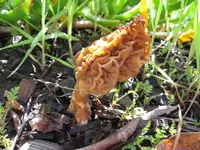
Brown-haired white cup, Humaria hemisphaerica, is a small cup-shaped fungus rather than a leafy plant. It forms shallow, white to cream cups with a contrasting brown, finely hairy outer surface. These fruiting bodies usually appear on decaying wood or rich forest litter. The species is most often found in cool, moist woodlands across temperate regions. It relies on consistently damp, shaded conditions and well-rotted organic material, which makes it difficult to maintain in typical homes or gardens. As a result, attempts to care for Brown-haired White Cup in cultivation are uncommon and usually experimental rather than ornamental.

Main Plant Requirements

Care Difficulty

Hard Care

Light Preference

Shade

Water Requirements

Keep Soil Moist

Temperature Preference

Cool Climate

Hardiness Zone

Unknown

Soil Texture

Loamy, Silty, Organic-rich

Soil pH

Strongly acidic (4.5–5.5), Acidic (5.5–6.5)

Soil Drainage

Moist but well-drained

Fertilization

Minimal (feed rarely)

Get Personalized Care Plan

Scan your plant to receive care tips personalized for your specific plant

Available on iOS and Android

How to Care for the Brown-haired White Cup

This cup fungus prefers cool, shaded forest conditions rather than strong direct sun.

  • Provide dappled or filtered light under trees, avoiding direct midday and afternoon sun, which can dry and damage the delicate cups.
  • Allow brief early morning sun only, up to 1–2 hours, then shade for the rest of the day to mimic the Brown-haired White Cup natural habitat on mossy, decaying wood or leaf litter.
  • In summer, protect from bright, open exposure; in cooler seasons, slightly brighter but still filtered light is tolerated.

This species needs consistently moist but not stagnant conditions around its substrate.

  • Maintain evenly damp leaf litter, moss, or decaying wood; the surface should feel moist to the touch but not waterlogged or slimy.
  • Increase moisture during active growth and dry spells by gently wetting the surrounding substrate when the top 1–2 cm start to feel only slightly damp, never letting it fully dry out.
  • Reduce added moisture in cool, wet weather to prevent standing water, which encourages rot, collapse of the cups, and foul odors typical of overwatering.

This fungus thrives in cool to mild conditions and is sensitive to both hard frost and strong heat.

  • Aim for 45–65°F (7–18°C) during active growth; short periods down to about 32°F (0°C) may be tolerated but can slow or stop fruiting.
  • Avoid sustained heat above 75°F (24°C), which quickly dries the substrate and shortens the life of the fruiting bodies.
  • In warm seasons, a shaded, humid microclimate keeps temperatures a few degrees cooler, while in colder seasons protection from drying winds helps maintain a stable range.

This fungus prefers cool, consistently moist air similar to a damp woodland floor.

  • Aim for 60–90% humidity, avoiding long periods below 50% that dry the fruiting bodies.
  • Crisping, shrinking, or paling cups indicate humidity stress from air that is too dry.
  • Increase humidity outdoors with thick leaf litter and nearby ground cover to slow evaporation.
  • For Brown-haired White Cup in sheltered spots, use frequent fine misting on surrounding substrate rather than directly on the cups.

Humaria hemisphaerica develops best in humus-rich, consistently moist forest-type substrates.

  • Use a loose, fine-textured, organic-rich mix based on well-rotted leaf mold, compost, and shredded bark.
  • Ensure slow but reliable drainage, aiming for a mix that stays evenly damp but never waterlogged or puddled.
  • Keep pH mildly acidic to neutral (pH 5.5–7.0) by favoring deciduous leaf litter and avoiding lime or wood ash.
  • Improve aeration and prevent compaction by blending in 10–20% fine bark chips or coarse sand rather than dense garden soil.

This species is difficult but marginally possible to grow in containers that simulate a damp forest floor.

  • Use a broad, shallow container to spread a deep layer of leaf litter and humus, mimicking a rotting log surface.
  • Select thick-walled plastic or glazed ceramic to slow evaporation and stabilize the cool, moist substrate.
  • Drill extra side drainage holes near the base so excess water can escape while the lower layer remains evenly damp, not flooded.

This fungus is adapted to nutrient-poor woodland soils, so Brown-haired White Cup grown in naturalistic conditions usually needs no additional fertilizer.

Humaria hemisphaerica does not benefit from true pruning, but spent or decayed fruiting bodies can be tidied if needed.

This species is typically grown in situ in woodland beds or naturalistic displays rather than in containers.

  • Transplant only if the site is being disturbed or conditions are clearly unsuitable, as the fungus relies on stable soil communities.
  • Move colonized soil or substrate in early spring or early fall when temperatures are mild and soil stays evenly moist.
  • Lift and transfer shallow blocks of soil with minimal disturbance, keeping the structure intact to reduce stress on the mycelium network.
  • Replant at the same depth, water gently, and maintain consistent shade and moisture for several weeks to support recovery.

Humaria hemisphaerica propagation is specialized and usually left to experienced mycologists or natural spread in suitable woodland habitats.

This woodland fungus is naturally cold hardy in temperate climates and usually needs no special winter care when grown in the ground.

Care Tips

Substrate rotation

Rotate or slightly relocate the culture trays or outdoor patches every 7–10 days so that developing cups receive similar airflow and moisture exposure, which helps reduce mold pockets and uneven fruiting.

Hygienic handling

Disinfect tools, forceps, and containers with 70% isopropyl alcohol before touching the substrate, and avoid breathing directly over the cups to limit contamination from competitor fungi and bacteria.

Moisture shielding

Use a low, perforated plastic dome or fine-mesh cover positioned 5–10 cm above the substrate to buffer rapid humidity swings while still allowing gas exchange, especially in centrally heated homes.

Seasonal resting phase

After the main fruiting flush, gradually reduce watering and keep the substrate cool and only slightly moist for several weeks to mimic a natural rest period, which can support more reliable future fruiting when trying to grow Humaria hemisphaerica.

Substrate refresh

Every 6–12 months, top up outdoor patches or culture trays with a thin layer of fresh, partially decomposed hardwood leaf litter to replenish nutrients and maintain the slightly acidic, humus-rich conditions this fungus prefers.

Common Pests and Diseases

Slime molds

This disease appears as slimy, often brightly colored patches that can overgrow or smother the cup surfaces and surrounding substrate. Symptoms include rapid coating of the fruiting bodies, which then collapse or decay prematurely.

Solution

Carefully remove and discard affected fruiting bodies and any heavily colonized debris, and avoid overhead watering that keeps the surface saturated for long periods. Improve air movement around the growth area and thin dense moss or leaf layers so the cups dry slightly between natural wetting events, which limits slime mold development.

Competing molds

This disease presents as fine white, gray, or green fuzzy growth on or around the cups, often causing deformation, browning, and collapse. Symptoms include a powdery or cobweb-like coating that spreads quickly across clusters of fruiting bodies.

Solution

Gently remove and discard heavily colonized cups and underlying substrate, taking care not to spread spores. Reduce continuous moisture, increase ventilation, and if grown in a controlled setup, avoid overcrowding cultures so surfaces do not stay constantly wet, which helps suppress mold competition and supports healthier Humaria hemisphaerica care.

Fungus gnats

These insects are small dark flies that hover near very damp substrates, while their larvae feed in decaying organic matter and around fungal tissues. This pest can weaken or disfigure young or small cup bodies when populations are high.

Solution

Allow the surface of the substrate to dry slightly between waterings, and remove excess decaying plant litter to reduce breeding sites. Use fine mesh over containers or culture boxes, and if needed apply yellow sticky traps near the growing area to reduce adult numbers without disturbing the cups.

Interesting Facts

Brown-felted cup interior

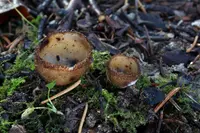
Mature fruiting bodies show a striking contrast: the inner cup surface is smooth and bright white, while the outer surface is densely covered in short brown hairs that give the fungus its common name, brown-haired white cup.

Springtime snow companion

This species often fruits in early spring along melting snowbanks and on very moist, decaying wood or soil rich in woody debris, making it one of the conspicuous early-season cup fungi in temperate forests.

Inky spore print color

The asci of this cup fungus produce smooth, ellipsoid spores that appear hyaline (transparent) under the microscope, but in mass the spores give a dark, nearly black spore print, which is a useful identification feature for accurate Humaria hemisphaerica care discussions.

FAQs about Brown-haired White Cup

This fungus is not considered a good edible species. Identification is difficult, and it can be confused with other cup fungi. For safety, it is best treated as non-edible and left unharvested.

Grow Healthy Plants with Botan Care

Keep your plants happy and healthy with plant identification, disease detection, and easy care guidance.

Botan plant care app — identify plants on mobile

Explore More Plants